National Dish Bhutan: Tsima (Recipe)
In this article
Discover Tsima, a warming staple from the mountain kitchens of Bhutan. Made from nothing more than fine maize flour, water and a pinch of salt, it is steamed until firm and served piping hot alongside whatever savoury dishes the household has to offer. Simple, filling and quietly generous, it is the kind of food that speaks of Bhutanese hospitality, and it brings a piece of the Himalayas straight to your own table.
About Tsima
Tsima is a traditional dish from Bhutan made from finely milled maize flour. It is served steaming hot and is a symbol of the warm hospitality Bhutanese households are known for. In many homes tsima is treasured as a staple food and paired with a whole range of savoury side dishes, from fiery chilli preparations to soft mountain cheese. Beyond its comforting taste, the dish offers plenty of nutritional benefits, which is part of why it has stayed on Bhutanese tables for generations.
Ingredients (serves 1–2)
- 200 g fine maize flour
- 500 ml water
- 1 teaspoon salt
- Optional: ghee or butter
- Savoury sides of your choice (fried vegetables, chilli, meat or cheese)
Shopping for the ingredients
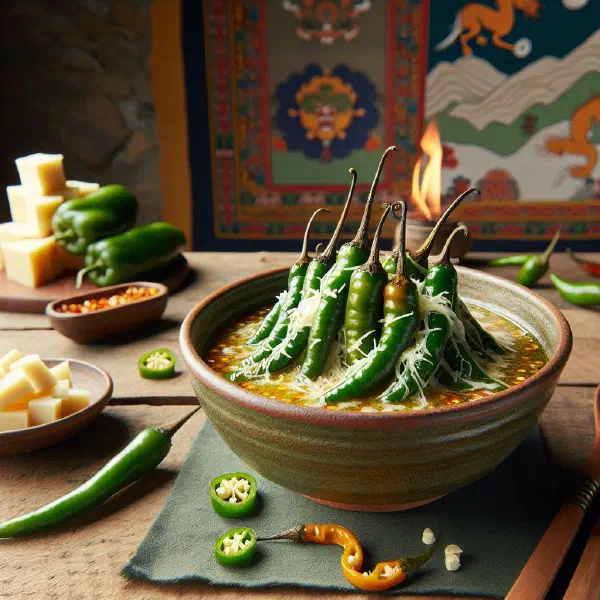
If you would like to make tsima, the ingredients are easy to track down in most supermarkets or in a specialist Asian grocery. Be sure to buy fine maize flour, as its texture differs noticeably from the coarser variety and makes all the difference to the finished dish. Choose fresh sides too, since they enrich the meal and deepen its flavour, much the same principle applies when shopping for a cheese-based classic such as Kewa Datshi. Comparing pack sizes and looking out for regional offers can also help you find good produce at a better price.
Preparing the dish
Before you start cooking tsima, it pays to lay out everything you need and get the preparation done. Begin by measuring the maize flour into a bowl and having the water ready to go. A mixing bowl and a steamer are the two pieces of kit worth keeping within reach. If you plan to serve side dishes, prepare those at the same time so that everything can be brought to the table at just the right moment.
Step-by-step instructions
- Bring the water to the boil in a pan and add the salt.
- Slowly stir in the fine maize flour, whisking constantly with a whisk to prevent lumps forming.
- Keep stirring until the mixture thickens and reaches a firm consistency.
- Transfer the tsima mixture to a steamer, or spoon it into a bowl, and steam for 15–20 minutes.
- Carefully turn the finished tsima out of its mould and serve warm, ideally with the sides you have prepared.
Gluten-free / lactose-free version
Tsima is naturally gluten-free, since it is made entirely from maize flour. That makes it an ideal dish for anyone with a gluten intolerance or coeliac disease. For a lactose-free version, use ghee or a plant-based oil in place of butter. Do check your side dishes as well and pick lactose-free alternatives where needed, so that the whole meal suits every guest at the table.
Tips for vegans and vegetarians
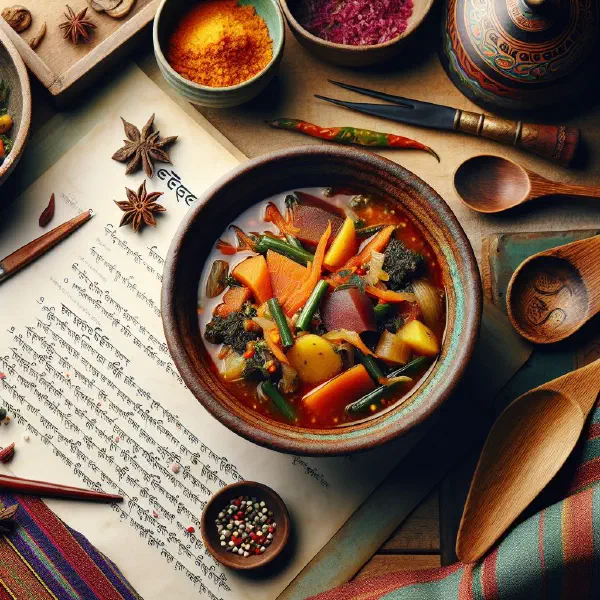
Because tsima already has a plant-based foundation, it takes very little effort to enjoy it as a vegan meal. Simply swap any animal products for plant-based fats or vegetable-led sides. You can also serve it with a spread of colourful vegetables, pulses or tofu to make it more nourishing still, a hearty vegetable dish like Goen Hogey works beautifully here. Tsima then stays entirely vegan while gaining a much wider range of flavours.
More tips and tricks
A handful of tips will help you get even better results from your tsima. Make sure the water is at a proper rolling boil before you add the maize flour, as this gives you the best consistency. Experiment with spices such as turmeric or cumin to lend the dish a distinctive note of its own. Always serve tsima fresh, since that is when both the texture and the flavour are at their finest.
Adapting the recipe to your taste
Tsima is an exceptionally adaptable dish and easy to tune to personal preference. You might change the ratio of water to maize flour, for example, to achieve a softer or a firmer result. The side dishes are just as variable, savoury vegetables, fresh herbs or even cheese, as in the beloved Ema Datshi. There are countless ways to shape tsima around your own taste, so do not be shy about getting creative.
Ingredient substitutions
If fine maize flour proves hard to find, polenta is a good stand-in, and rice or buckwheat flour will also work, though both will shift the texture and flavour a little. For the sides, different vegetables or even a bowl of hummus can give the meal an entirely new twist. It is worth experimenting with a few combinations until you land on your perfect version of tsima. Stay open to new flavours as you cook. That is half the pleasure.
Drink pairing ideas
Plenty of drinks pair well with tsima, and much depends on the sides you have chosen. A light beer complements the earthy flavours of the maize particularly nicely. Herbal teas or a simple lemonade also make good companions, especially on warmer days, while Suja, the salted butter tea of the Himalayas, is the most authentically Bhutanese choice of all. If you prefer something alcohol-free, freshly pressed juices or infused water are refreshing alongside a plate of tsima.
Serving and presentation ideas
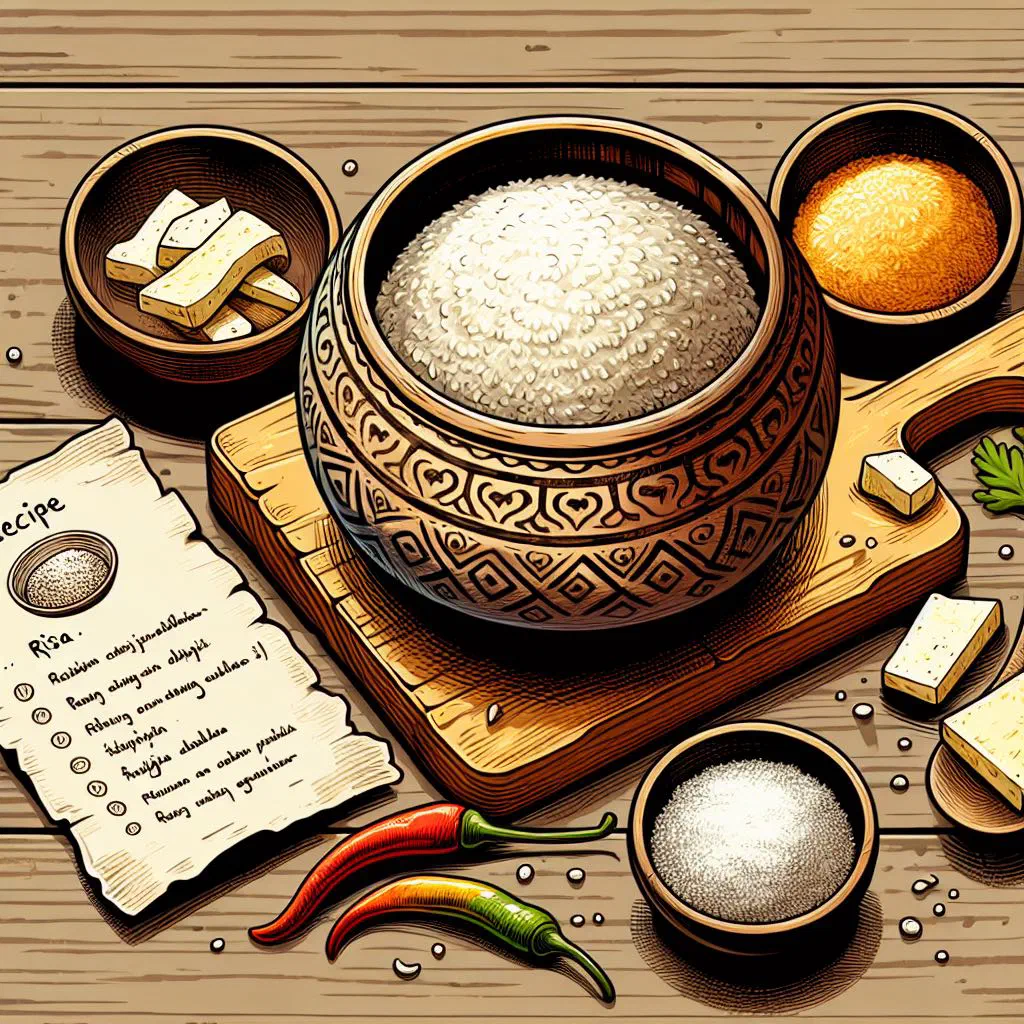
The way you present tsima can lift the whole eating experience. Serve it in handsome, rustic bowls and garnish with fresh herbs or spices that echo your side dishes. Colourful accompaniments bring life to the plate and make it far more appealing to look at. It is also important that the dish reaches the table warm, as that is when the flavour is at its best.
A bit of history
Tsima has a long and wholesome tradition in Bhutan and is regarded as one of the country’s defining dishes. It is often prepared for special occasions and celebrations, which underlines its cultural weight. The dish reflects the local ingredients of the high valleys and the rhythms and customs of Bhutanese life. Sharing tsima at the table makes plain how central community and family are to Bhutanese cuisine and the culture around it.
More recipe ideas
Summary: Tsima
Tsima is a delicious dish and a window onto the rich culture of Bhutan. With its straightforward preparation and its endlessly varied side dishes, it makes a perfect meal for just about any occasion. Whether vegetarian, vegan or gluten-free, this dish adapts readily to different dietary needs. Let tsima inspire you and bring a piece of the Himalayas into your own kitchen.