National Dish Bolivia: Ají de Fideos (Recipe)
In this article
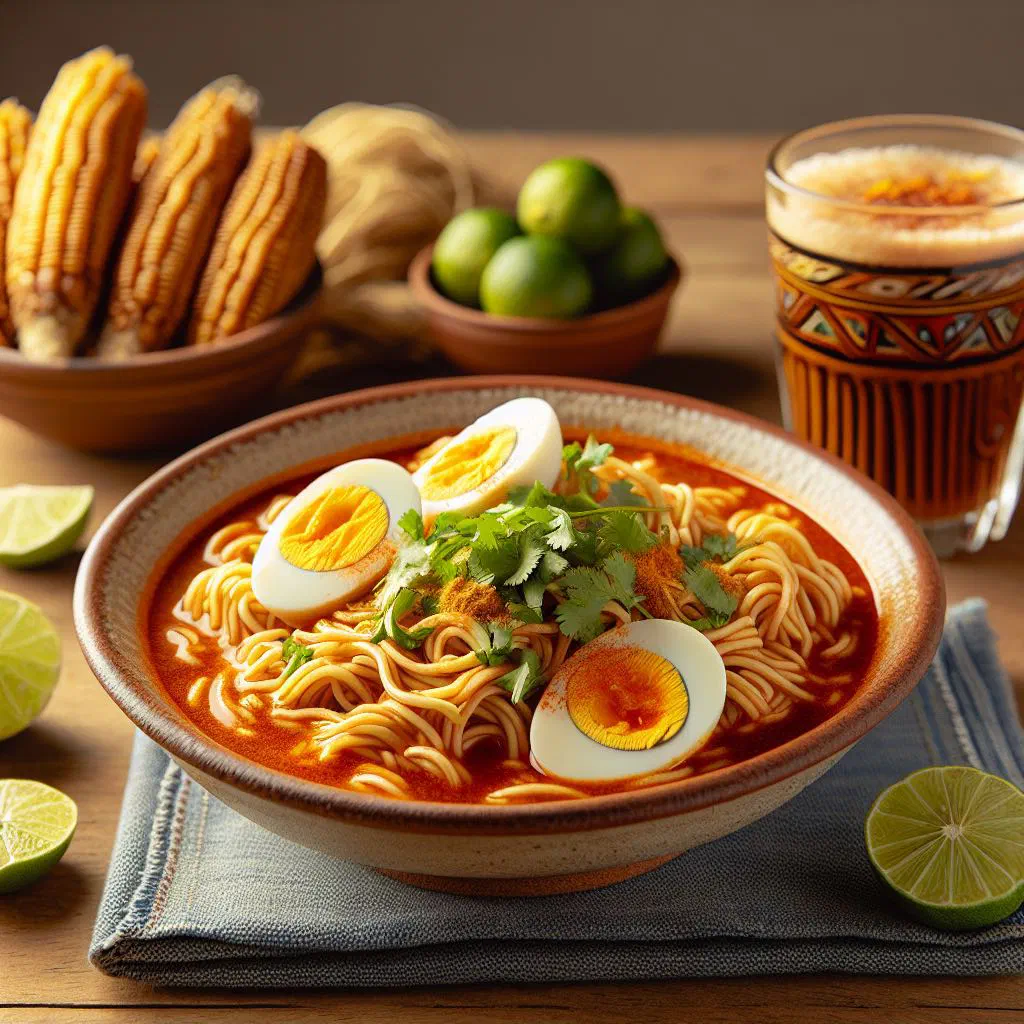
Discover Ají de Fideos, a heartwarming noodle soup from the Bolivian Andes. This comforting bowl brings together tender pasta and an aromatic, gently spiced broth enriched with fresh vegetables. Especially welcome during the cooler months, it is both filling and warming, the kind of dish that turns a quiet evening into something cosy. Bring a taste of Bolivian tradition straight to your own kitchen.
About Ají de Fideos
Ají de Fideos is a traditional Bolivian dish prepared regularly in many households across the Andean region. This hearty noodle soup combines delicious, tender pasta with a spiced broth enriched with a variety of fresh ingredients. It is particularly popular during the colder months, being satisfying and comforting and warming. Cooking Ají de Fideos is also a lovely way to bring the unique flavours of Bolivian culture into your own home, much like the beloved Sopa de Maní.
Ingredients (serves 1–2)
- 100 g egg noodles
- 1 litre vegetable or chicken stock
- 1 onion, finely chopped
- 1 carrot, cut into small dice
- 1 pepper, diced
- 2 cloves of garlic, chopped
- 1–2 tablespoons ají amarillo (yellow chilli paste)
- Fresh coriander, to garnish
- Salt and pepper to taste
- Olive oil, for frying
Shopping for the ingredients
When preparing Ají de Fideos, it is worth using good-quality ingredients. The stock should be either homemade or from a trusted brand to achieve the best flavour. When buying vegetables, look for fresh, crisp produce, as this improves the aroma of the soup considerably. Some ingredients, such as ají amarillo, can be found in speciality shops or ordered online if they are not available locally.
Preparing the dish
Before you start cooking, all the ingredients should be prepared and ready to hand. The onion, carrot and pepper should be cut into even pieces so that they cook uniformly. Chopping the garlic finely is also important to make sure every mouthful is full of flavour. If you cook your noodles in advance, you can add them to the broth as soon as it comes to a gentle simmer.
Step-by-step instructions
- Heat the olive oil in a large pot and sauté the onion and garlic until translucent.
- Add the carrot and pepper pieces and continue to fry for a few minutes.
- Pour the stock into the pot and bring it to the boil.
- Add the egg noodles and let the soup simmer over medium heat until the pasta is cooked through.
- Stir in the ají amarillo to taste and season with salt and pepper.
- Garnish with fresh coriander before serving.
Gluten-free / lactose-free version
For a gluten-free version of Ají de Fideos, you can use gluten-free noodles in place of the usual egg noodles. These are widely available in supermarkets and let you enjoy the dish without any gluten-containing products. Be sure that the stock is gluten-free too. For a lactose-free version, simply choose lactose-free products or rely on plain vegetable stock, which keeps the soup naturally dairy-free.
Tips for vegans and vegetarians
For a vegan version of Ají de Fideos, replace the chicken stock with vegetable stock and avoid animal products such as egg noodles, opting instead for one of the many plant-based pasta alternatives. You can also bulk out the recipe with extra vegetables such as courgette or squash to boost its nutritional value. The ingredients can be varied freely, so vegans and vegetarians will find plenty to enjoy, as they will with a warming Sopa de Quinua.
More tips and tricks
When cooking Ají de Fideos, it helps to have all the ingredients prepared in advance. This makes for a smooth, unhurried cooking process. The recipe can also be adapted easily to achieve different nuances of flavour. Try adding other herbs such as parsley or basil to give the dish a personal touch.
Adapting the recipe to your taste
The Ají de Fideos recipe can be adjusted to suit your preferences. If you like it hotter, add extra chillies or a dash of hot sauce. For a more substantial version, meat or fish can be added. This flexibility makes the dish suitable for a range of tastes and preferences, so everyone can enjoy it their own way.
Ingredient substitutions
If some ingredients are not available, there are often good alternatives. Instead of carrots, you could use peas or sweetcorn. For the broth, instant stock works well when no fresh stock is to hand. These variations keep cooking Ají de Fideos quick and straightforward without any loss of flavour, a trick that also comes in handy for Aji de Verduras.
Drink pairing ideas
A hearty dish like Ají de Fideos goes especially well with refreshing drinks. A simple homemade lemonade can be an excellent choice. A light, cool beer or a fruity wine can also round off the flavour experience. The right drink completes the meal and makes it a memorable one for family and friends alike.
Serving and presentation ideas
Presentation plays an important role in the overall enjoyment of Ají de Fideos. Serve the soup in colourful bowls and garnish generously with fresh coriander or other herbs. Set out a few lime wedges alongside for anyone who prefers a slightly tangy note. The contrasting colours of the crockery and the ingredients make the dish look especially inviting and whet the appetite.
A bit of history
The origins of Ají de Fideos lie in traditional Bolivian cooking, shaped strongly by the country’s indigenous peoples and its Spanish colonial history. The main ingredients were readily available and have been adapted over the years. The dish is often served at family gatherings and special occasions, symbolising warmth and community. By sharing this meal, the food and culture and tradition are passed on, a spirit found throughout Bolivian cuisine.
More recipe ideas
Summary: Ají de Fideos
In summary, Ají de Fideos is a versatile and flavoursome dish that is easy to prepare and offers plenty of scope for adaptation. It brings together the aromas of Bolivian cuisine and goes down well both at family celebrations and in everyday life. With the right ingredients and a little creativity, it can be tailored to any taste. This dish is an invitation to discover new flavours and to become better acquainted with the culture of Bolivia.