National Dish Bolivia: Ají de Papalisa (Recipe)
In this article
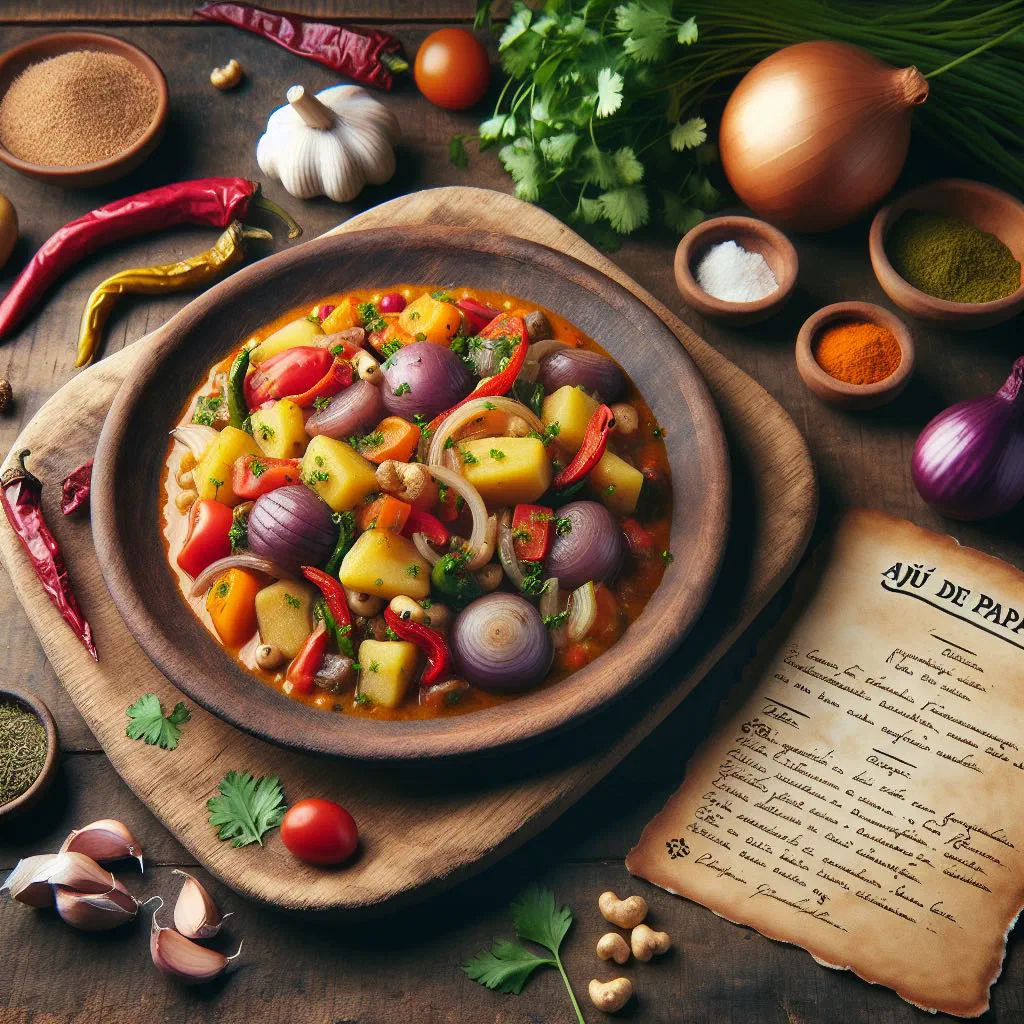
Meet Ají de Papalisa, a bright taste of the Bolivian Andes. This aromatic dish builds on papalisa, a colourful native Andean tuber, simmered with fresh herbs and fiery chillies until every spoonful sings with earthy, warming flavour. Rooted in the highland traditions of Bolivia, it is the kind of homely dish shared at festive gatherings and around the family table alike. Bring a little Andean soul into your own kitchen with this simple, satisfying recipe.
About Ají de Papalisa
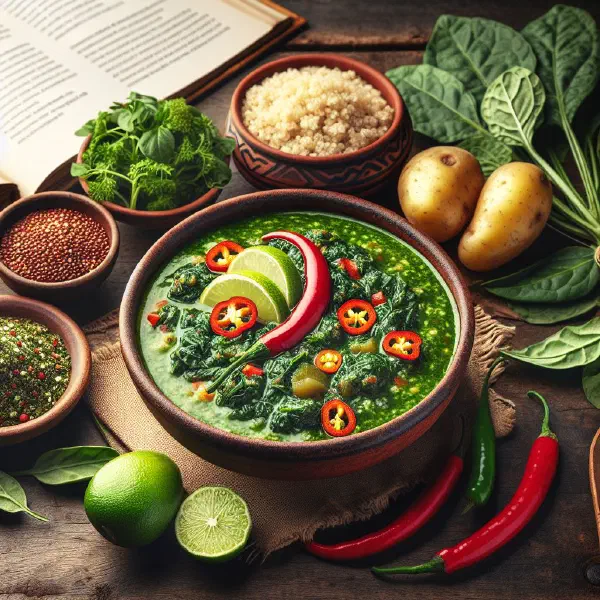
Ají de Papalisa is a traditional Bolivian dish that shows off the flavours of the Andes to perfection. It is built mainly around papalisa, also known as the Andean tuber or ulluco, which grows in the high-altitude regions of Bolivia. The combination of fresh herbs, spicy chillies and the earthy notes of the papalisa gives the dish a truly distinctive taste. Ají de Papalisa is often served on festive occasions or among family, a reminder of just how central family life is to Bolivian culture.
Ingredients (serves 1–2)
- 300 g papalisa (Andean tuber)
- 2–3 different types of chilli (red and green)
- 1 onion
- 2 cloves of garlic
- 1 bunch of fresh coriander
- Salt and pepper, to taste
- Water or vegetable stock
Shopping for the ingredients
When shopping for Ají de Papalisa, it is important to pick fresh, good-quality ingredients. Look for papalisa at your local market or wholefood shop, as it may not be stocked in every supermarket. The choice of chillies matters too, since different varieties bring different flavours and levels of heat to the dish. Reach for fresh herbs wherever you can to bring out its wonderfully aromatic character.
Preparing the dish
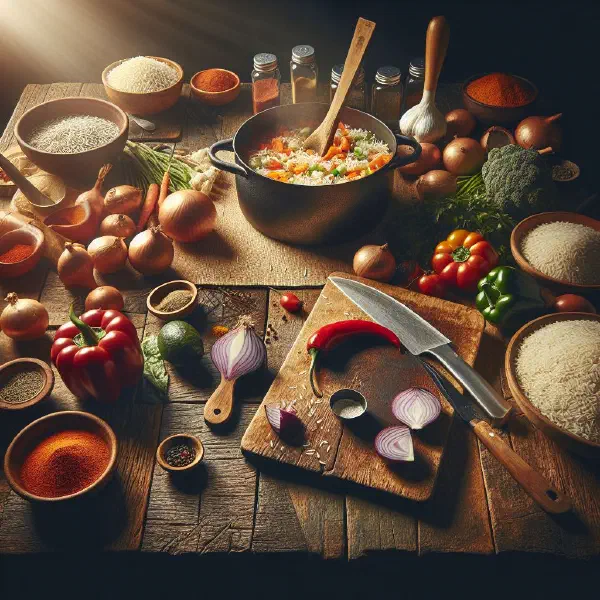
Preparing Ají de Papalisa begins with washing and peeling the papalisa thoroughly. This special tuber needs careful preparation to give the best results. While you work on the papalisa, you can finely chop the onion and garlic at the same time. Make sure the chillies are deseeded too, if you prefer a milder version of the dish.
Step-by-step instructions
- Cut the papalisa into small pieces and bring it to the boil in a pan of water or vegetable stock.
- While the papalisa cooks, sauté the onion and garlic in a frying pan with a little oil.
- Add the prepared chillies and the chopped coriander to the pan and mix everything together well.
- Drain the cooked papalisa and add it to the pan, then season with salt and pepper.
- Let the dish simmer for a further 5–10 minutes, stirring so everything is evenly combined.
Gluten-free / lactose-free version
Ají de Papalisa is naturally gluten-free and lactose-free, which makes it a perfect choice for anyone with those intolerances. If you want to be extra careful about avoiding cross-contamination with gluten, play it safe and use products that are clearly labelled gluten-free. You can also fine-tune the recipe by choosing your stock and any packaged ingredients carefully.
Tips for vegans and vegetarians
Ají de Papalisa is ideal for vegans and vegetarians, as it contains no animal products at all. Feel free to get creative with extra vegetables to boost its nutritional value. Try adding courgette or carrots during cooking for a colourful mix. You can also build a richer flavour by using a variety of herbs to intensify the aroma.
More tips and tricks
A good tip when making Ají de Papalisa is to adjust the seasoning to suit your own palate. Experiment with the heat of the chillies, or add spices such as cumin or paprika to give the dish your personal touch. Take care not to overcook the papalisa, so it keeps a pleasant, firm texture. Store any leftovers in the fridge and enjoy them the next day, when the flavours will have deepened even further.
Adapting the recipe to your taste
One of the great things about Ají de Papalisa is its flexibility. You can easily tailor the basic recipe to your personal preferences. If you like it hotter, choose spicier chillies or add a few drops of Tabasco. Alternatively, make it milder by reducing the number of chillies. Different herbs such as parsley or basil can also be used to enrich the dish with fresh new flavours, much as they might in a lighter Ensalada de Verduras.
Ingredient substitutions
If papalisa is hard to find, you can use other potato varieties with a similar texture instead. For the chillies, milder varieties also work well to achieve a pleasant balance of heat. Shallots can stand in for the onion to give a sweeter flavour, and a good olive oil in place of ordinary vegetable oil can further refine the taste.
Drink pairing ideas
A number of drinks pair beautifully with Ají de Papalisa. A cold glass of Chicha Morada, a traditional Bolivian drink made from purple maize, complements the flavours perfectly and adds a sweet note. Alternatively, light and fruity cocktails or even sparkling mineral water make a lovely, refreshing match. A good beer is another wonderful choice for balancing out the heat of the chillies.
Serving and presentation ideas
An attractive presentation can make Ají de Papalisa even more appealing. Serve it in a beautiful, colourful bowl and garnish with fresh coriander leaves for a bright, fresh look. A few slices of lime or lemon alongside can act as a decorative touch while adding extra freshness. Use appealing plates to present the dish and let its flavours shine visually.
A bit of history
Ají de Papalisa has deep roots in Bolivian culture. It reflects the influence of the indigenous peoples who have lived in the Andes for centuries, passing on their traditions through cooking. The use of papalisa is a fine example of the native ingredients that are widespread across the region. This dish is a link to the history and customs of Bolivia, and it has earned a firm place in people’s hearts, one of many treasures in the wider world of Bolivian cuisine.
More recipe ideas
Summary: Ají de Papalisa
In short, Ají de Papalisa is a delicious, nourishing dish that captures the flavours of the Bolivian Andes. It is simple to prepare and easy to adapt to individual tastes. Beyond offering a glimpse into Bolivian culture, it is a wonderful example of cooking with regional ingredients. Ají de Papalisa is always a tasty choice.