National Dish Bolivia: Bolivian Panettone (Recipe)
In this article
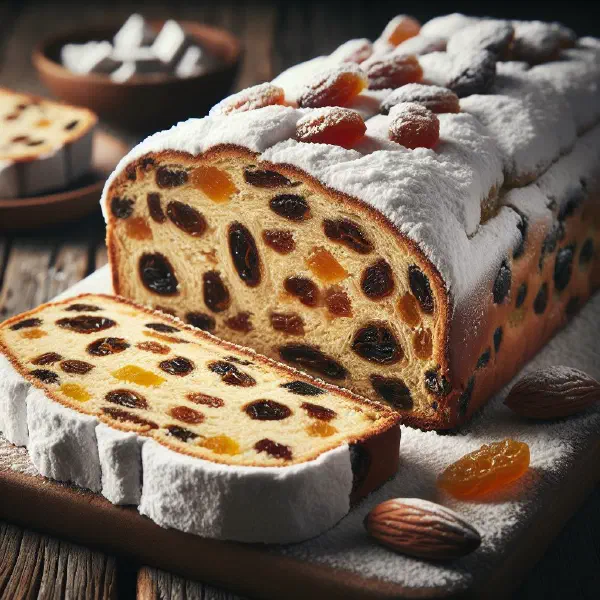
Meet Bolivian Panettone, a festive sweet bread that fills Bolivian homes with the warm aromas of Christmas. Light and airy, generously studded with dried fruit and nuts, this enriched yeast loaf is far more than a seasonal treat. It is a symbol of family, hospitality and celebration. Baked with care and shared around the table, it carries the spirit of the Andes into every slice. Bring a taste of Bolivia’s festive traditions straight to your own kitchen.
About Bolivian Panettone
Bolivian Panettone (Panetón Boliviano) is a traditional Christmas bread served across Bolivia on special occasions. Its fluffy texture and the generous combination of dried fruit and nuts make it an unmistakable treat. This sweet, enriched yeast dough is a festive indulgence and a symbol of Bolivian culture and hospitality. In many households it is baked with plenty of love and shared among family and friends, adding warmth to the festive atmosphere and turning an ordinary gathering into something memorable.
Ingredients (serves 1–2)
- 250 g flour
- 100 g sugar
- 1 sachet of yeast
- 2 eggs
- 100 ml milk
- 50 g butter
- 100 g dried fruit (e.g. raisins, dates)
- 50 g nuts (e.g. almonds, walnuts)
- 1 pinch of salt
- 1 tsp vanilla extract
Shopping for the ingredients
For the best Bolivian Panettone, it is worth choosing good-quality ingredients. Visit a local supermarket or a specialist delicatessen to track down what you need. Pay particular attention to the freshness of the dried fruit and nuts, as these have a decisive influence on the aroma of the finished bread. Where possible, reach for organic produce to give the loaf an even better flavour. Just as with a batch of golden Bunuelos, the quality of your basics makes all the difference.
Preparing the dish
Before you start on the Bolivian Panettone, make sure all your ingredients are at room temperature. This helps the dough rise properly and gives the bread its characteristic fluffy texture. Prepare a suitable baking tin by lightly greasing it or lining it with baking paper. Doing so makes turning out the finished panettone far easier once it has cooled and set.
Step-by-step instructions
- Dissolve the yeast in warm water and let it rest briefly until it begins to foam.
- Combine the flour, sugar, eggs, milk, butter and salt in a large bowl.
- Add the activated yeast and the vanilla extract, then knead everything together well.
- Fold the dried fruit and nuts through the dough and knead once more to distribute them evenly.
- Shape the dough into a ball and leave it to rise in a warm place for about an hour.
- Knock back the risen dough, then transfer it to the prepared baking tin.
- Leave to prove for a further 30 minutes before baking at 180°C (conventional heat) for roughly 30–40 minutes.
- Once baked, remove the panettone from the oven and let it cool completely before serving.
Gluten-free / lactose-free version
If you would like a gluten-free or lactose-free version of the Bolivian Panettone, you can use special flours such as rice or buckwheat flour. In place of milk, plant-based alternatives like almond or soya milk work well. Take care to use gluten-free dried fruit and nuts to avoid any cross-contamination. That way the pleasure of this traditional bread stays intact, even without gluten and lactose.
Tips for vegans and vegetarians
For a vegan version of the Bolivian Panettone, you can simply replace the eggs with apple purée or ground flaxseed. Plant-based margarine makes a tasty stand-in for the butter. If you use a plant-based vanilla extract, the bread stays entirely vegan. Here too you can vary the dried fruit as you like and reach for whatever is available locally.
More tips and tricks
To bring out even more flavour in your Bolivian Panettone, try adding spices such as cinnamon or nutmeg. These lend the bread a warm aroma that pairs beautifully with the sweet notes of the dried fruit. Give your creativity free rein by varying the mix of dried fruit and nuts. You might even end up inventing your own signature panettone.
Adapting the recipe to your taste
You can easily adjust the Bolivian Panettone recipe to suit your own preferences. Try different nuts, for example, or swap the dried fruit around to discover new flavour combinations. The sweetness is adjustable too: use less sugar, or replace some of it with honey. Experiment with different ingredients and find the combination you love best.
Ingredient substitutions
If certain ingredients for the Bolivian Panettone are hard to come by, there are often tasty alternatives. Instead of butter you can use coconut oil, which gives the bread a distinctive flavour. You can be creative with the dried fruit as well; figs or apricots offer interesting variations. Be open to experimenting, much like the fruity, layered Masaco De Platano, a small change can open up new possibilities.
Drink pairing ideas
The Bolivian Panettone goes wonderfully with a range of drinks that complement its sweetness. A freshly brewed coffee or a robust tea makes an ideal partner, intensifying the aromas of the bread. A glass of sweet wine can be an exquisite choice too. For something warming and local, a mug of spiced Api rounds off the experience beautifully. Try a few and find the perfect match for your palate.
Serving and presentation ideas
To serve the Bolivian Panettone attractively, arrange it on a decorative plate and dust it with icing sugar. A pretty garnish of fresh fruit or edible flowers adds a festive touch. Serving it with a smooth sauce, such as a vanilla custard, can enrich the experience further. Presentation matters at special occasions, so this is where your eye for detail really counts.
A bit of history
The Bolivian Panettone has its roots in Italian culture, which gained influence in the Andean region of Bolivia through immigration. Originally the bread was baked at Christmas, a tradition that endures to this day. Over time the recipe has evolved and adapted to local tastes. In this way the panettone reflects cultural influence and the creativity and adaptability that run through Bolivian cuisine, from festive breads to hearty stews.
More recipe ideas
Summary: Bolivian Panettone
In short, the Bolivian Panettone is a unique and delicious bread that can be enjoyed not only at festive occasions but on any day of the year. It unites traditional flavours with modern adaptations and offers a good way to celebrate Bolivian culture. Let this recipe inspire you and bring a little piece of Bolivia into your own kitchen.