National Dish Bolivia: K'ispacha (Recipe)
In this article
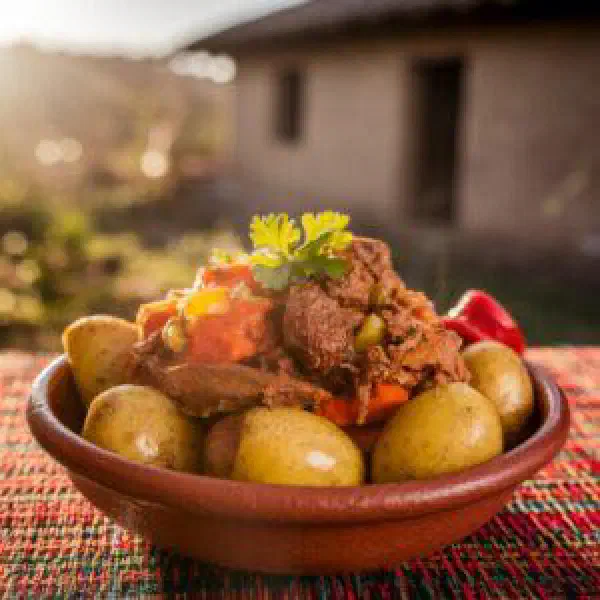
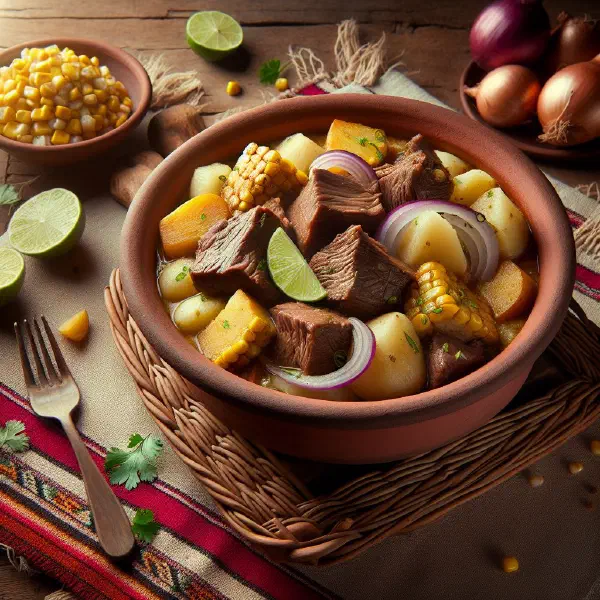
Say hello to K’ispacha, a hearty Bolivian stew that turns a simple pot of ingredients into a genuine celebration of the Andes. Tender meat, freshly harvested vegetables and warming spices simmer together until every spoonful tastes of tradition. Often cooked for festive occasions, it is the kind of dish that draws family and friends around the table. Bring a taste of Bolivia’s mountain kitchens into your own home with this comforting one-pot classic.
About K’ispacha
K’ispacha is more than just a meal; it is a true culinary experience that captures the traditions of Bolivia. This hearty stew is frequently prepared for festive gatherings, bringing family and friends together around one pot. With its combination of tender meat, freshly harvested vegetables and aromatic spices, it is a wonderful example of the variety found in Bolivian cuisine. The Andes offer breathtaking landscapes and a rich array of ingredients that come into their own beautifully in this dish.
Ingredients (serves 1–2)
- 400 g beef or chicken
- 2 large potatoes
- 2 carrots
- 1 onion
- 2 cloves of garlic
- 1 red pepper
- 1 tsp cumin
- 1 tsp paprika
- Salt and pepper, to taste
- Fresh parsley, to garnish
- 1–2 litres water or stock
Shopping for the ingredients
When shopping for K’ispacha it is well worth paying attention to the quality of your produce. Visit a local market to pick up fresh vegetables and good-quality meat. Look especially for seasonal ingredients, as these taste better and leave a more environmentally friendly footprint. By favouring regional produce you support the local economy while enjoying the most authentic flavours Bolivia has to offer, the same market-fresh approach that makes a Chairo sing.
Preparing the dish
The preparation of the dish is crucial to its final flavour. Begin by selecting your meat and cutting it into cubes. Then wash the vegetables thoroughly and chop them into even pieces so that everything cooks in the same amount of time. This creates an attractive presentation and ensures that all the ingredients are ready together, giving you a harmonious taste experience.
Step-by-step instructions
- Heat a large pot and add a little oil.
- Add the onions and garlic and fry until golden brown.
- Add the diced meat and brown it nicely all over.
- Add the vegetables and stir everything together well.
- Season with cumin, paprika, salt and pepper.
- Pour in enough water or stock to cover all the ingredients.
- Cover the pot and let the stew simmer for at least an hour.
- Serve the dish hot and garnish with fresh parsley.
Gluten-free / lactose-free version
K’ispacha is naturally gluten-free and can easily be made without lactose. When buying stock, check that it is gluten-free and contains no dairy products. The dish relies on fresh ingredients that contain no lactose at all, making it a perfect option for anyone with intolerances. Using a plant-based stock in place of meat stock is also possible if you would like to create a fully plant-based version.
Tips for vegans and vegetarians
For vegans and vegetarians, K’ispacha is easily adapted by replacing the meat with protein-rich pulses such as chickpeas or lentils. These add nourishment and give the dish a lovely texture. Beyond that, you can simply use water and extra spices instead of stock to achieve the flavour you want. Vegetable stock is another excellent choice for making the stew even more aromatic.
More tips and tricks
To deepen the flavour of K’ispacha, feel free to adjust the spices to taste. Experiment with additions such as oregano or chilli to vary the dish to your liking. Stirring in fresh herbs just before serving can also lift the flavour enormously. Special sides such as an avocado salsa or a simple green salad round the dish off perfectly.
Adapting the recipe to your taste
The beauty of K’ispacha lies in how flexible it is to prepare. Feel free to adjust the vegetables according to the season or what is available. Options such as squash, courgette or even beans can add an interesting new dimension of flavour. By varying the types of meat used or experimenting with different stocks, you can adapt the recipe at any time to make it your own personal favourite.
Ingredient substitutions
For a lighter version of K’ispacha you can use unsalted vegetable stock instead of oil to help sauté the onions and garlic. If you would rather not use potatoes, sweet potatoes or quinoa make excellent additions that boost the flavour and the nutritional value. Vary the type of meat for a new taste too, pork or even lamb can make interesting alternatives, much as they do in a rich Fricasé.
Drink pairing ideas
A hearty dish like K’ispacha is best matched with a light red wine or a fruity lemonade. Alternatively, you might enjoy a refreshing glass of Chicha, a traditional drink often served in Bolivia. For non-drinkers, sweet, fruity mocktails made with pineapple or mango juice are a good choice. Aim to pick a drink that complements the flavour of the dish and enriches the whole culinary experience.
Serving and presentation ideas
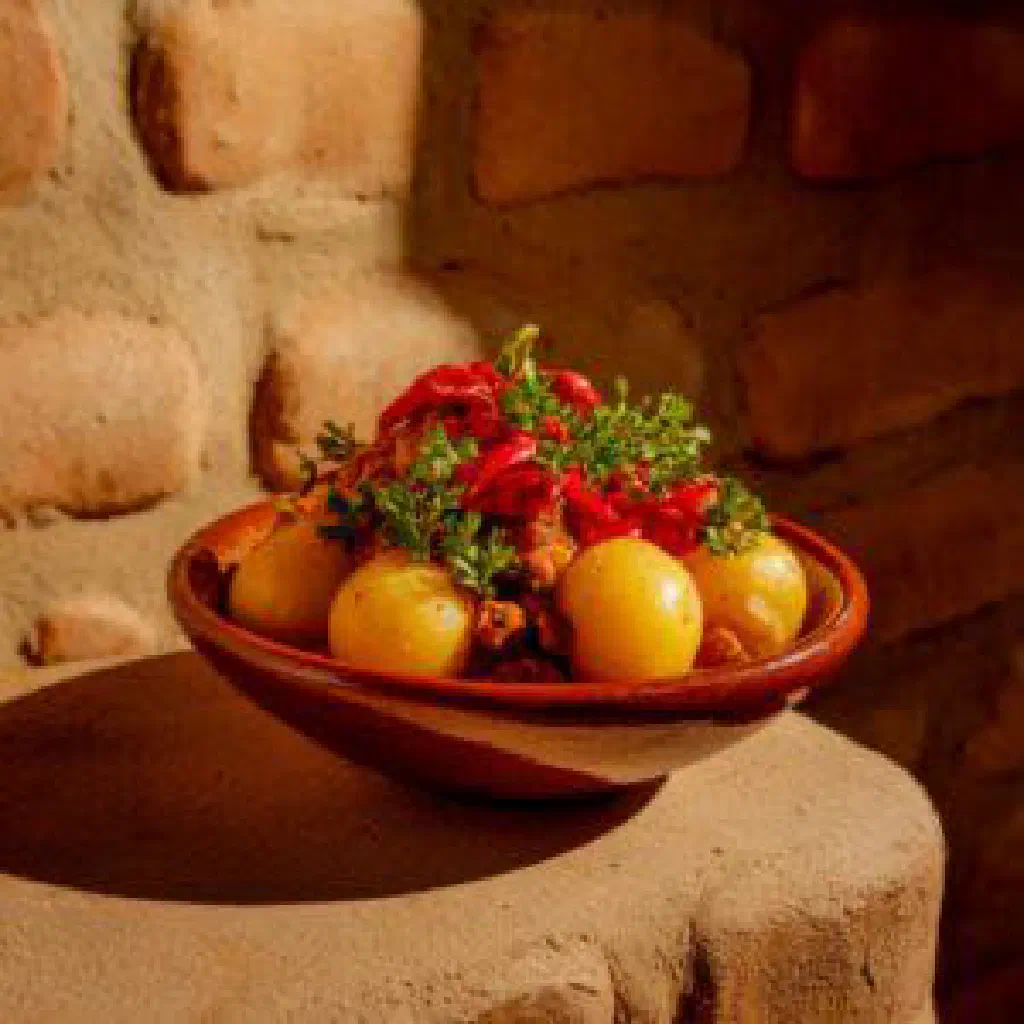
Presentation plays an important role when serving K’ispacha. Use colourful bowls and decorate the surface with fresh herbs to make the dish look inviting. A beautifully laid table with traditional Bolivian crockery can complete the experience. Serve the stew straight from the pot to create a sociable atmosphere and give guests the chance to help themselves as they please.
A bit of history
K’ispacha has deeply rooted traditions in Bolivian cooking and has been passed down from generation to generation. The dish reflects the rich culture and culinary influences of the Andes, shaped by Bolivia’s many different ethnic groups. Historically it was a dish prepared in the villages to bring families and communities together. Cooking and sharing K’ispacha celebrates the food itself and the social bonds of the people of Bolivia, a spirit shared across Bolivian cuisine.
More recipe ideas
Summary: K’ispacha
In summary, K’ispacha is a delicious and nourishing dish that unites the flavours and traditions of Bolivia in a single bowl. With its varied ingredients and straightforward preparation, it suits both festive occasions and a cosy dinner at home. This dish encourages good company and lets people experience the culture of Bolivia in a wonderfully tasty way. Let yourself be charmed by this stew and treat yourself to a mouthful of Andean tradition.