National Dish Bolivia: Tamales (Recipe)
In this article
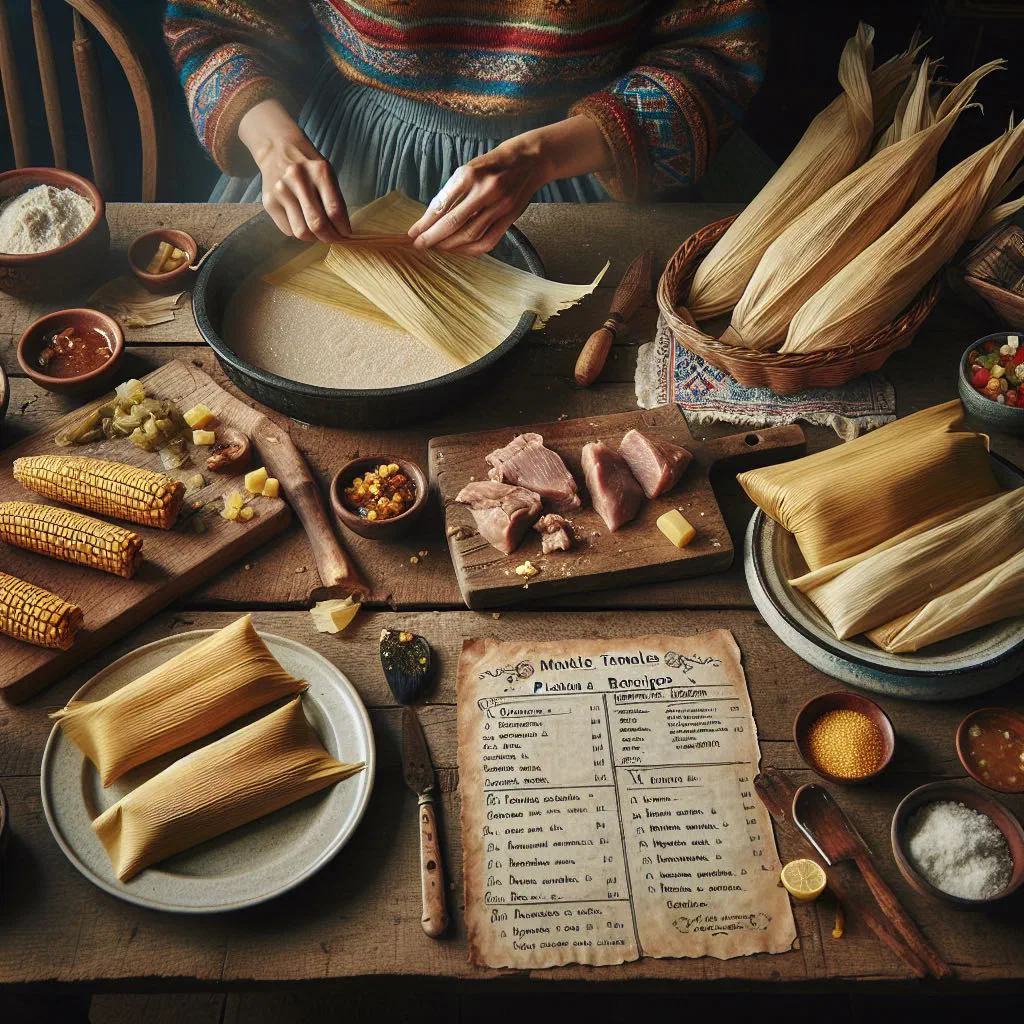
Discover Tamales, one of Bolivia’s most cherished festive dishes. These little parcels of corn dough, gently steamed and filled with meat, vegetables or cheese, carry generations of tradition in every bite. Shared at celebrations and family gatherings across the country, they turn any meal into an occasion. Bring a taste of the Andes to your own kitchen and enjoy a recipe that is as comforting as it is deeply rooted in Bolivian culture.
About Tamales
Bolivian tamales are far more than a simple dish; they are a piece of cultural heritage that has endured across generations. These traditional, steamed dough parcels are found in many regions of Bolivia, and each area prepares its own distinctive version. Tamales are typically made from corn dough and offered with a range of fillings, meat, vegetables or cheese. They are a favourite during festivities and family gatherings, where they are often shared and enjoyed together.
Ingredients (serves 1–2)
- 250g corn flour
- 200ml water
- 100g meat (chicken or beef)
- 50g onions, chopped
- 2 cloves of garlic, crushed
- Salt and pepper to taste
- 2 tablespoons vegetable oil
- Banana leaves or corn husks for wrapping
Shopping for the ingredients
The ingredients for tamales can be found in most food shops or at weekly markets. Be sure to buy fresh banana leaves or corn husks, as they are crucial to the aroma of the tamales. Corn flour is usually found in the baking aisle, and fresh vegetables such as onions and garlic should also be of good quality. Choose high-quality meat to make sure your tamales turn out tender and full of flavour.
Preparing the dish
Before making the tamales, all the ingredients should be prepared carefully. Start by chopping the onions and crushing the garlic to release their aromas. The meat should be washed and cut into small pieces before it is marinated or browned. Finally, the banana leaves or corn husks need to be soaked in warm water for a few minutes to make them supple and easier to wrap.
Step-by-step instructions
- Heat the vegetable oil in a pan and sauté the onions and garlic until golden brown.
- Add the prepared meat and fry well until cooked through. Season with salt and pepper.
- In a bowl, mix the corn flour with water until you have a smooth dough.
- Place a piece of banana leaf or corn husk on a clean work surface and set a portion of dough in the centre.
- Add the filling on top of the dough and carefully wrap the leaves around it.
- Steam the tamales for around 40–60 minutes, until the dough is firm.
Gluten-free / lactose-free version
Making tamales gluten-free or lactose-free is entirely possible, as the main ingredients are usually already free of both. Make sure you use corn flour that contains no gluten. Avoid dairy in the filling too, and reach for plant-based alternatives instead. With vegetables and vegetable oil you can create tasty fillings that are suitable for everyone.
Tips for vegans and vegetarians
For vegans and vegetarians there are countless delicious fillings built around vegetables and pulses. A popular combination is a mix of courgette, sweetcorn and sweet potato. You can also use black beans or lentils for a protein-rich filling. Finally, lift the tamales with fresh herbs and spices to intensify the flavour. The same hearty spirit runs through the vegetable-packed Aji De Verduras.
More tips and tricks
When you prepare your tamales, a few simple tricks can make the process easier. Take care to knead the dough well so that it takes on a lovely consistency when steamed. Another useful tip is to steam the tamales in a large pot with plenty of water to make sure they cook evenly. You can also lay a tea towel over the pot to trap the steam and ensure everything cooks through evenly.
Adapting the recipe to your taste
The beauty of tamales lies in their versatility, which lets you adapt the fillings to your own preferences. Be sure to experiment with different kinds of vegetables and herbs to discover new flavours. You can also add spices such as paprika or cumin to give the tamales more warmth. The key is to let your creativity run free in the kitchen and find your own favourites.
Ingredient substitutions
Sometimes people are keen on alternatives to certain ingredients in their tamales. Instead of meat, you can use plant-based proteins such as tofu or tempeh. For a gluten-free option, corn flour is the best choice; however, other grains such as quinoa could also be used to achieve an interesting texture and a different flavour. The trick is to pick from the wealth of ingredients whatever suits your palate best, a spirit of experimentation that shines in Aji De Quinua too.
Drink pairing ideas
To enrich the experience of eating tamales, think about matching drinks. A refreshing non-alcoholic drink such as pani-agua or a traditional Bolivian chicha can make a wonderful companion. If you prefer alcohol, try a light beer or a fruity cocktail.
Serving and presentation ideas
The presentation of your tamales can lift the dining experience considerably. Serve them on a colourful plate with fresh herbs or lime wedges for a bright touch. Another option is to leave them in the banana leaves and open them at the table, which adds a rustic note. Be sure to offer a range of dips or salsas, such as a fiery Llajwa, which can intensify the flavour even further.
A bit of history
Tamales have a long history that is deeply rooted in the indigenous culture of Bolivia. This dish was originally made by the native peoples and was a popular food for travelling, as tamales were easy to transport and store. Over the centuries, the recipes and methods of preparation have evolved, with each region adding its own traditions. Today tamales are an indispensable part of Bolivian cuisine and stand for community and family tradition.
More recipe ideas
Summary: Tamales
All in all, tamales are a fascinating culinary discovery that appeals to the palate while embodying the cultural identity of Bolivia. With their varied fillings, their straightforward preparation and the scope for adaptation, they are a dish that every kitchen enthusiast should feel confident to attempt. Whether at festivities or as part of everyday life, tamales offer a flavourful experience that is well worth trying. Have a go at making your own tamales and experience this delicious tradition first-hand.