National Dish Bosnia and Herzegovina: Bamija (Recipe)
In this article
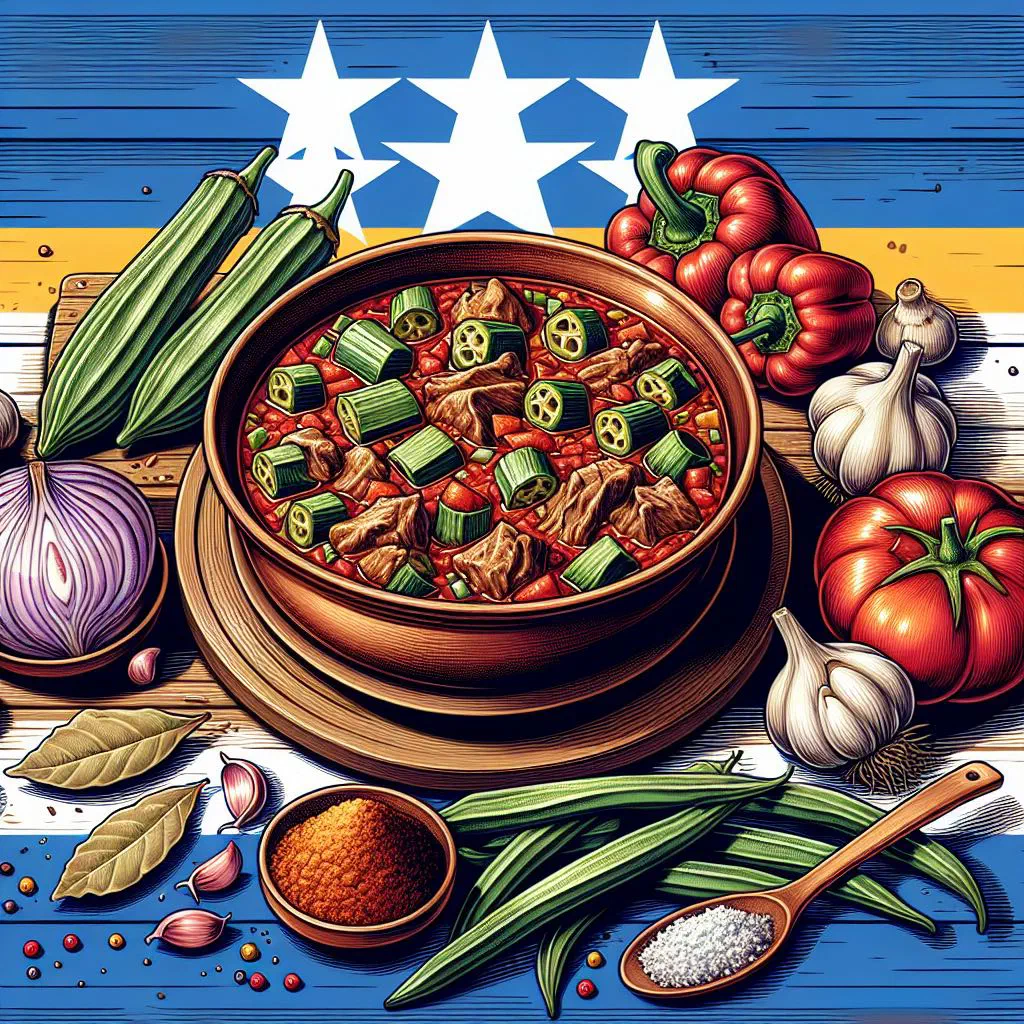
Meet Bamija, a comforting okra stew that sits close to the heart of Bosnian home cooking. Tender okra pods are gently simmered with cubes of meat and a warm blend of aromatic spices until everything turns soft and deeply savoury. It is the kind of hearty, unfussy dish that brings people to the table, whether for a relaxed family supper or a lively gathering of friends. Here is your invitation to taste a genuine piece of the Balkans at home.
About Bamija
Bamija is a traditional Bosnian dish that is as filling as it is flavourful. Its star ingredient, the okra pod, is often paired with tender pieces of meat and a generous range of aromatic spices, giving the stew a character all of its own. That combination of textures and warm seasoning has made Bamija a firm favourite right across the Balkan region. It offers a wonderful way to dive into the culinary traditions of Bosnia and Herzegovina and to appreciate the influence of neighbouring cuisines such as those found across Bosnia and Herzegovina.
Ingredients (serves 1–2)
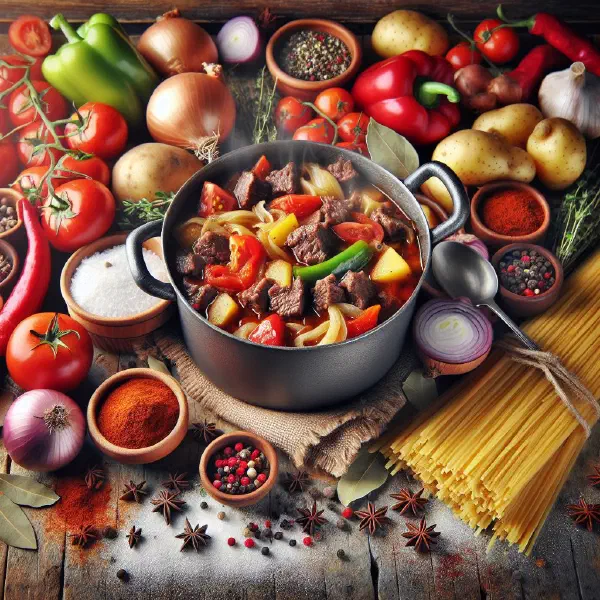
- 200 g okra pods
- 150 g beef or veal
- 1 onion
- 2 cloves garlic
- 1 teaspoon paprika
- 2 tablespoons olive oil
- Salt and pepper, to taste
- Fresh parsley, to garnish
Shopping for the ingredients
When shopping for Bamija, it is well worth paying attention to the freshness of the okra, as it has a decisive influence on the flavour of the finished dish. Visit a local market or a trusted supermarket where the produce turns over quickly. It is also a good idea to choose regional meat where you can, as it tends to be more flavourful. Finally, reach for good-quality spices to guarantee that authentic, well-rounded taste.
Preparing the dish
Before you start cooking Bamija, gather and measure out all of your ingredients. Finely chop the onion and the garlic, and trim the ends of the okra pods to reduce any bitterness. Cut the meat into small cubes so it cooks through evenly. The more carefully you plan the preparation, the smoother the cooking process becomes and the better the dish will turn out.
Step-by-step instructions
- Heat the olive oil in a pan and add the onions. Fry them until they turn translucent.
- Add the meat and brown it on all sides until golden.
- Stir in the garlic and the paprika, mixing well.
- Add the okra pods and season with salt and pepper. Pour in a little water, cover the pan and let everything simmer gently for about 30 minutes.
- Serve Bamija hot, garnished with fresh parsley.
Gluten-free / lactose-free version
Bamija is naturally gluten-free and lactose-free, which makes it an ideal choice for anyone with those intolerances. There is no need to worry about any change in flavour, since none of the main ingredients contain gluten or dairy. It is worth double-checking that all of the spices you use are gluten-free too. When buying meat, look out for any additives that might contain gluten or lactose and avoid them.
Tips for vegans and vegetarians
Vegans and vegetarians can adapt Bamija easily by swapping the meat for plant-based alternatives. Tofu or seitan, for example, provide an excellent source of protein and add real depth to the dish. The method stays exactly the same, and the aroma will still win you over. Adjust the seasoning to suit, and you can create a stew that is every bit as tasty and satisfying, much like the meat-free comfort of a bowl of Grah.
More tips and tricks
For an especially flavourful Bamija, you can also cook the dish in a steamer to intensify the aromas and preserve the nutrients in the ingredients. It is best not to cook the okra for too long, so that it keeps a pleasant, firm texture. If you would like to prepare ahead, chop all of the ingredients in advance and keep them in the fridge, so that on the day you simply bring everything together. Feel free to experiment with different spices to match your personal taste.
Adapting the recipe to your taste
One of the great things about Bamija is how readily you can adjust the recipe to your own preferences. You can add different vegetables such as peppers, carrots or tomatoes for extra colour and flavour. You can also vary the spices, a pinch of chilli, for instance, lends a pleasant kick. Be creative and discover new combinations that you particularly enjoy, in the same spirit as a colourful Djuvec.
Ingredient substitutions
If you do not have every ingredient to hand, there are a few alternatives you can turn to. Instead of okra, you could use green beans, which have a similar texture and shine in dishes like Buranija. For the meat, plant-based options such as lentils or chickpeas are a good choice. Adaptations like these let you enjoy Bamija at any time, whatever ingredients you happen to have available.
Drink pairing ideas
A hearty dish like Bamija goes best with a refreshing drink alongside it. A smooth red wine or a light white wine can complement the flavours beautifully. A spiced tea or a well-chilled sparkling water with lemon also make ideal companions. Try a few different combinations to work out which drink you enjoy most with your Bamija.
Serving and presentation ideas
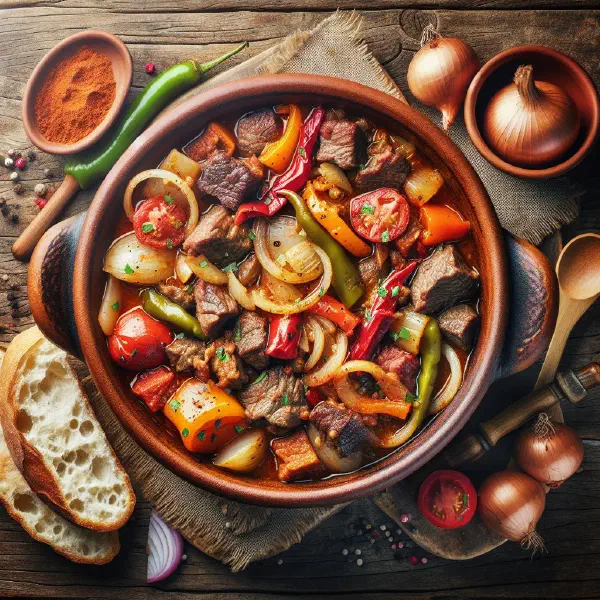
The way you plate the dish can add a great deal to the enjoyment. Serve Bamija in an attractive bowl and garnish it with fresh parsley or lemon slices for a splash of colour. A rustic loaf or a flatbread on the side is another lovely addition, as is a warm slice of Pita. With a little care over the presentation, your dish becomes not only a treat for the palate but a feast for the eyes too.
A bit of history
The tradition of Bamija has its roots in Ottoman cuisine, which left a lasting mark on the cooking of the Balkan states. The dish is a symbol of the rich and varied culinary culture of Bosnia and Herzegovina. It is often served at large family gatherings, where people come together around the table to enjoy both the food and the company. Over time, various regional variations have developed, reflecting local specialities and making the dish more diverse still, a heritage it shares with classics like Sarma.
More recipe ideas
Summary: Bamija
In short, Bamija is a remarkable dish that offers both a history and an exceptional flavour. With its approachable method and its many possibilities for adaptation, it is perfect for any occasion, from a festive meal to a simple family supper. Let the authentic aromas of Bosnia into your kitchen and give this delicious stew a try. Your family and friends are sure to be pleased.