National Dish Bosnia and Herzegovina: Pasulj (Recipe)
In this article
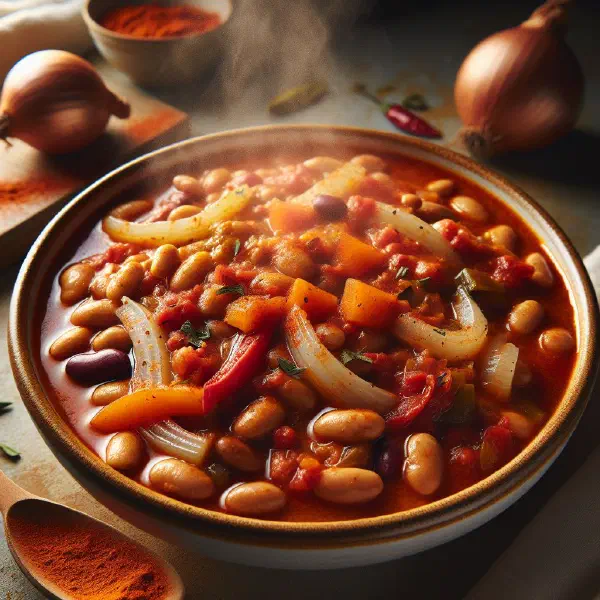
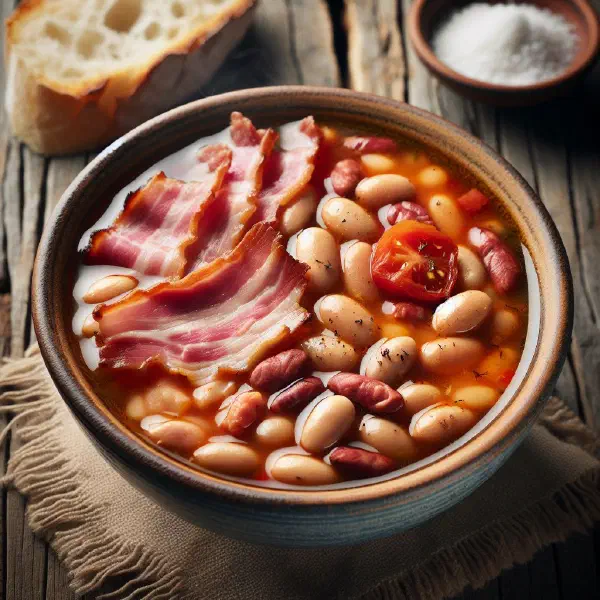
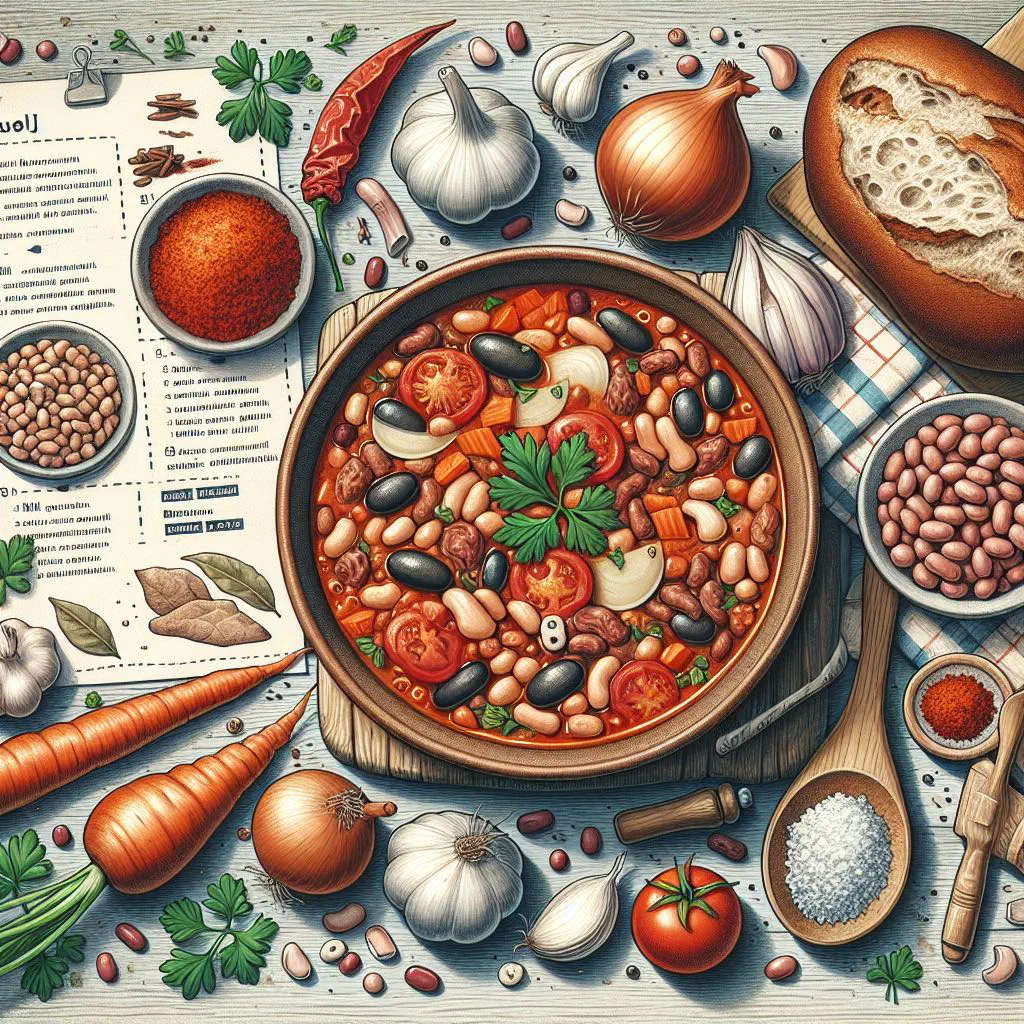
Meet Pasulj, the hearty bean soup that sits at the very heart of Bosnian home cooking. More than a warming bowl of food, it is a dish woven into the country’s identity, the kind of meal that draws family and friends around the table on cold evenings. Slow-simmered white beans, smoky meat and a generous dusting of paprika give it a deep, rounded flavour that has kept it a firm favourite for generations. Here is how to bring a taste of Bosnia to your own kitchen.
About Pasulj
Pasulj is far more than a hearty bean soup; it is a part of Bosnian identity and tradition. The dish has a long history that reaches back into the rural regions of the country. It brings people together on sociable evenings, gathering them around the table to share a warm bowl of this comforting soup. With its full flavour and versatile ingredients, pasulj is a must for anyone who loves good food. It is a shining example of honest Bosnian cuisine at its most nourishing.
Ingredients (serves 1–2)
- 200 g white beans
- 150 g smoked meat (e.g. bacon or sausage)
- 1 onion
- 2 carrots
- 2–3 cloves of garlic
- 1–2 bay leaves
- 2 tablespoons paprika
- Salt and pepper, to taste
- Fresh parsley, to garnish
- Water or vegetable stock
Shopping for the ingredients
When shopping for the ingredients for pasulj, pay close attention to the quality of the beans. Fresh or dried beans are ideal, while tinned ones often offer less flavour. Smoked meat lends the dish its characteristic taste, so it is best to choose regional products where you can. Fresh vegetables, particularly the onions and carrots, should be crisp and firm to bring out the fullest aromas.
Preparing the dish
Preparing pasulj begins with soaking the beans, if you are using dried ones. Leave them in water for at least overnight so they soften properly. The next day, rinse the beans and set them aside. Then chop the vegetables and the meat into small pieces to ensure everything cooks evenly.
Step-by-step instructions
- Put the soaked beans into a large pot and bring to the boil with water or vegetable stock.
- Add the smoked meat and let it simmer over medium heat.
- Stir in the onions, carrots, garlic and bay leaves, then simmer for 30–40 minutes.
- Season to taste with salt, pepper and paprika, then cook for a further 15 minutes.
- Before serving, remove the bay leaves and garnish with fresh parsley.
Gluten-free / lactose-free version
Pasulj is naturally gluten-free and lactose-free, since the main components, beans and vegetables, contain neither of these. Do take care, though, that any sausages or stocks you use are likewise free of gluten and lactose. With a careful choice of ingredients, you can make sure the dish suits every guest without compromising on flavour.
Tips for vegans and vegetarians
For a vegan version of pasulj, simply swap the smoked meat for smoked tofu or seitan. Use vegetable stock too, to keep the flavour full and rounded. Add a little extra paprika or a dash of liquid smoke to recreate the smoky aroma that would normally come from the meat. This lets vegans enjoy the traditional dish without giving up any of its depth.
More tips and tricks
An important rule when cooking pasulj is to be patient. Let the soup simmer long enough for the flavours to develop fully. The choice of seasonings can vary too: adventurous cooks might experiment by adding coriander or rosemary. And do not forget to taste now and again as it cooks, so you can find the perfect balance.
Adapting the recipe to your taste
Pasulj is a wonderfully adaptable dish. You can use different kinds of beans or vegetables, depending on what you have to hand or on your personal taste. Common alternatives include kidney beans or black beans. To make the dish even more nourishing, add extra vegetables such as celery or peppers. If you enjoy this kind of slow-cooked comfort, the meaty Bosanski Lonac is a natural next step.
Ingredient substitutions
If you are looking for alternatives, you can use vegetable stock in place of smoked meat and boost the protein with nuts or chickpeas. For a lighter version, reduce the number of beans and use more vegetables instead. Let your creativity run free and adapt pasulj to your own preferences, much as you might with a closely related bean dish like Grah.
Drink pairing ideas
To round out the flavour of pasulj, rustic wines or a freshly poured beer make excellent partners. If you prefer alcohol-free options, sparkling mineral water or homemade lemonade work beautifully. The flavours of the soup harmonise wonderfully with the freshness of these drinks and finish the meal off nicely.
Serving and presentation ideas
The presentation of pasulj can be simple yet effective: serve the soup in rustic tureens or bowls, garnished with fresh parsley. A few slices of fresh bread alongside add to the appeal. Setting out extra seasonings in small dishes on the table also lets guests season to their own taste, lifting both the presentation and the overall mood in a lovely way. A soothing cup of Bosanska Kahva makes a fitting close to the meal.
A bit of history
Pasulj has established itself over the centuries as part of Bosnian food culture and is often regarded as a heartfelt dish. It was especially a staple among the rural population, being nourishing and simple to prepare. The methods of preparation vary from region to region, but the basic ingredients remain the same. That makes pasulj more than a dish but a piece of Bosnian history.
More recipe ideas
Summary: Pasulj
Pasulj is more than just a dish; it is a symbol of Bosnian culture and tradition. With its hearty ingredients and unmistakable flavour, it is ideal for communal occasions and brings comforting warmth on cold days. Pasulj is a must for anyone who wants to discover the flavours of Bosnia.