National Dish Bosnia and Herzegovina: Pilav (Recipe)
In this article
Discover Bosnian pilav, a fragrant rice dish that sits close to the heart of the Balkans. Tender pieces of meat, softly cooked onions and a warm blend of spices turn humble long-grain rice into something festive and deeply comforting. This dish carries the generous spirit of Bosnian hospitality straight to your table.
About Pilav
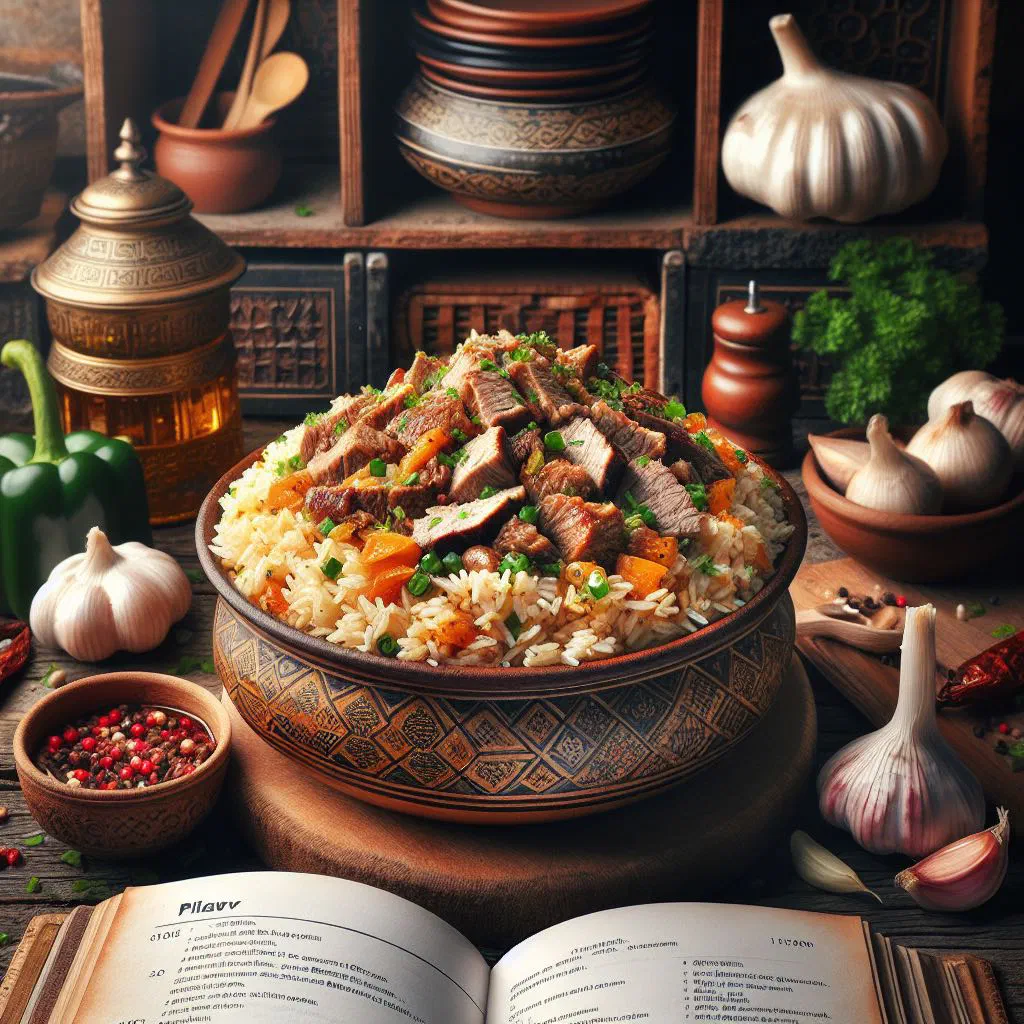
Bosnian pilav is a traditional rice dish that is much loved throughout Bosnia and Herzegovina. It owes its appeal to an aromatic preparation, enriched with tender pieces of meat and a generous mix of spices. The dish is often served on festive occasions, yet it is just as welcome as part of an everyday meal. Pilav is a treat for the palate and an important thread in the fabric of Balkan culture.
Ingredients (serves 1–2)
- 200 g long-grain rice
- 300 g meat (e.g. chicken or lamb)
- 1 onion
- 2 cloves of garlic
- 1 litre stock (vegetable or meat stock)
- 3 tablespoons oil (e.g. olive oil)
- 1 teaspoon salt
- 1 teaspoon pepper
- 1 teaspoon paprika
- Optional: a few raisins or nuts
Shopping for the ingredients
The ingredients for Bosnian pilav are easy to come by. Start with your local supermarket or a Turkish grocery to gather everything you need. Take care to choose fresh meat and good-quality rice, as these have a real bearing on the flavour of the finished dish. It is also worth keeping an eye out for specific spices such as paprika, along with fresh herbs, to deepen the aroma.
Preparing the dish
Before you begin cooking the pilav, it pays to prepare all the ingredients properly. Start by cutting the meat into small pieces and finely chopping the onion and garlic. Then rinse the rice in a sieve to wash away excess starch, which gives a nicer, more separate texture. Incidentally, some cooks recommend soaking the rice in water for about 30 minutes before cooking, which makes it especially light and fluffy.
Step-by-step instructions
- Heat the oil in a large pan over medium heat.
- Add the onions and fry until translucent.
- Add the meat and brown it lightly on all sides.
- Stir in the garlic and mix well.
- Pour in the stock and season with salt, pepper and paprika.
- Bring the mixture to the boil, then add the rice and stir.
- Cover and leave to simmer gently for about 20 minutes, until the rice has absorbed the liquid.
- Check the texture and, if needed, let it cook for a few minutes more.
- Before serving, garnish the pilav with raisins or nuts.
Gluten-free / lactose-free version
Bosnian pilav can easily be made gluten-free and lactose-free. Simply use a stock that is free from gluten, and swap any dairy for plant-based alternatives. The dish loses none of its flavour and can be enjoyed by anyone with the relevant intolerances. Just make sure that every ingredient you use is clearly labelled as gluten-free.
Tips for vegans and vegetarians
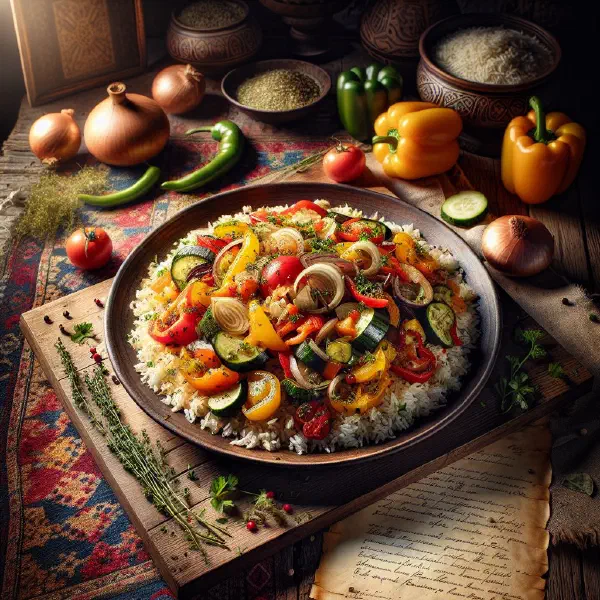
For a vegan or vegetarian take on Bosnian pilav, simply replace the meat with vegetables or plant-based proteins such as tofu. The stock can likewise be swapped for a vegetable stock to keep the dish meat-free. Adding extra vegetables, carrots, peas or peppers, brings additional colour and nutrients. Use spices and herbs creatively to intensify the flavours further.
More tips and tricks
To get the perfect pilav, it is important to watch the cooking time and temperature closely. Good timing is crucial so the rice does not turn mushy. Another useful trick is to let the rice rest for a few minutes after cooking, so it can absorb any remaining liquid. Paired with the right spice blend, this helps you achieve a real burst of flavour.
Adapting the recipe to your taste
Bosnian pilav lends itself beautifully to personal preference. Add different kinds of meat depending on your taste, or experiment with a variety of spices. You can also vary the amount of vegetables to make the dish even more nourishing. That way, every version of pilav becomes an individual and one-of-a-kind experience.
Ingredient substitutions
If you do not have every ingredient for Bosnian pilav to hand, there are plenty of alternatives. Beef, for example, can be swapped for chicken or even fish, while vegetable stock makes a solid base for the vegetarian version. Instead of long-grain rice you could use risotto rice, which makes the dish creamier and closer in spirit to a rich Djuvec. Substitutions like these encourage a creative approach and make the dish more versatile.
Drink pairing ideas
Bosnian pilav goes wonderfully with a range of drinks. Traditionally it is served with a local wine or a refreshing sparkling mineral water. For those after something a little more exotic, a lightly sweet fruit cocktail is a fine match. Beer can also be a good choice to round out the flavours of the pilav. Try different combinations to find the perfect accompaniment.
Serving and presentation ideas
Presentation can make all the difference when it comes to impressing your guests with Bosnian pilav. Serve it in a large bowl and garnish with fresh herbs or toasted nuts. A scattering of raisins or bright peas makes it more colourful and more flavourful. Use colourful plates and decorative sides to create an inviting atmosphere.
A bit of history
Bosnian pilav has deep cultural roots and is a legacy of Ottoman cuisine. It is remarkable how the dish has been adapted over the years across the various regions of the Balkans. Pilav is more than just a meal; it is a symbol of hospitality, prepared for special occasions. In cooking pilav, you become part of a long culinary tradition that reaches far back in time and remains central to Bosnian cuisine.
More recipe ideas
Summary: Pilav
In summary, Bosnian pilav is an essential dish of Balkan cooking, uniting tradition and pleasure in a single pan. With its distinctive combination of aromas and textures, it is ideal for festive occasions or a cosy family meal. Thanks to the many ways it can be adapted and prepared, this dish suits every taste. Bring the authentic flavour of Bosnia to your table with a plate of pilav and experience its rich culinary culture.