National Dish Bosnia and Herzegovina: Podvarak (Recipe)
In this article
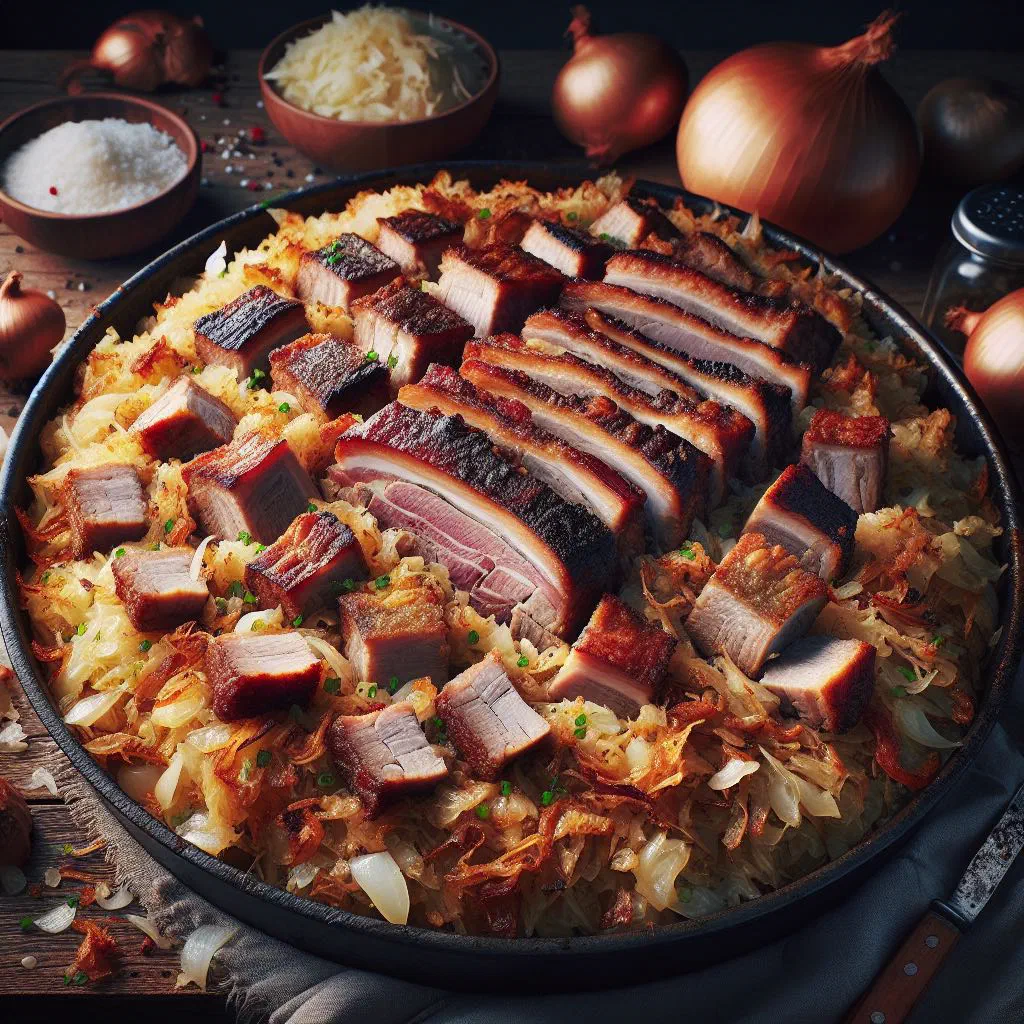
Discover Podvarak, a hearty classic that sits close to the heart of Bosnian home cooking. This warming dish brings together tangy sauerkraut and meltingly tender pork, slow-baked until the flavours mingle into something deeply comforting. It is honest, generous food, the kind that fills a kitchen with the smell of good things to come and turns a simple family meal into an act of hospitality. Bring a taste of the Balkans to your own table.
About Podvarak
Podvarak is a traditional Bosnian dish known for its rich, savoury pairing of sauerkraut and tender meat. Pork is the usual choice, though other meats work equally well depending on what you have to hand. The cooking method is designed to draw out the full-bodied, mellow flavours of regional Balkan cuisine, letting the cabbage and meat slowly meld together. More than just a satisfying meal, Podvarak is a symbol of Bosnian hospitality, often served when family and friends gather round the table.
Ingredients (serves 1–2)
- 500g sauerkraut
- 300g pork (shoulder or belly)
- 1 large onion
- 2–3 cloves of garlic
- 2 teaspoons paprika
- Oil, for frying
- Salt and pepper, to taste
Shopping for the ingredients
When preparing to make Podvarak, it is well worth choosing fresh, good-quality ingredients. Visit your local market or supermarket and pay particular attention to the sauerkraut. It can be used either fresh or from a jar, though fresh often has the better flavour. Make sure the pork is nicely marbled, as this is the key to a juicy, tender result. A little care at the shops goes a long way once the dish is in the oven.
Preparing the dish
Before you start cooking Podvarak, gather and prepare all your ingredients. The pork needs to be cut into bite-sized pieces, while the onion and garlic should be finely chopped. The sauerkraut can be rinsed beforehand to reduce its saltiness, depending on your personal taste. Good preparation keeps the cooking process smooth and efficient, especially useful when you are entertaining a lively crowd.
Step-by-step instructions
- Heat a little oil in a large pan and sauté the chopped onion and garlic until translucent.
- Add the diced pork and brown it well on all sides.
- Stir in the sauerkraut and the paprika, mixing everything together thoroughly.
- Transfer it all to an ovenproof dish and bake in a preheated oven at 180°C for about 1.5 hours, until the meat is tender.
Gluten-free / lactose-free version
Podvarak is naturally gluten-free and lactose-free when the right ingredients are used. Simply check that every product you reach for is free of gluten and lactose components, particularly any stock or seasoning. These qualities make Podvarak a wonderful choice for anyone with specific dietary needs. You can also adjust the recipe further to suit individual preferences without losing its comforting character.
Tips for vegans and vegetarians
For a vegan or vegetarian take on Podvarak, simply swap the meat for tofu or seitan. Smoked tofu in particular lends the dish a deep, savoury quality that echoes the original. You can also vary the vegetables to taste, carrots or peppers make lovely additions. Experiment with spices to strike the balance that suits you best, much as you would when building the flavour of a good Djuvec.
More tips and tricks
To intensify the flavour of Podvarak, start the dish off in the baking tray with a little vegetable stock. Alternatively, a scattering of bacon cubes adds extra savour and depth. Don’t forget to stir the dish occasionally while it bakes, so the aromas blend evenly throughout. Let your guests enjoy their Podvarak with fresh bread or a spoonful of mild yoghurt on the side.
Adapting the recipe to your taste
Podvarak is a wonderfully adaptable dish, which means you can vary the ingredients however you like. If you prefer things spicier, add a little chilli or an extra spoonful of paprika. For a touch of sweetness, try folding in raisins or dried apricots. Little tweaks like these keep Podvarak delicious while opening up plenty of creative possibilities.
Ingredient substitutions
If you don’t eat pork, Podvarak can just as easily be made with beef or chicken. For an even lighter version, turkey works beautifully. In place of sauerkraut, you could use red cabbage for an interesting change of flavour. These alternatives make sure everyone can enjoy the dish, whatever their personal preferences, in the same spirit as the hearty Bosanski Lonac.
Drink pairing ideas
Podvarak pairs happily with a wide range of drinks, both alcoholic and alcohol-free. A cold beer is often the first choice, as its bitterness balances the hearty flavour of the dish. Wine lovers should reach for a red wine, which harmonises nicely with the richness of the meat. For an alcohol-free option, sparkling water or a freshly pressed fruit juice makes an easy, refreshing accompaniment.
Serving and presentation ideas
For an appealing presentation, serve Podvarak in a rustic earthenware dish and bring it to the table garnished with fresh herbs. A side of fresh bread or soft rolls makes the meal even more inviting. A few slices of homemade sausage arranged at the edge of the plate add a decorative touch. Colour and presentation matter. They make the dish not only tasty but genuinely welcoming.
A bit of history
The roots of Podvarak run deep in Bosnian tradition, reflecting the many cultures that have shaped the region over the centuries. The dish was once a typical family meal, often served on special occasions. Preparing and eating Podvarak offers a glimpse into Bosnian food culture and into the art of community and togetherness. As with so much of Bosnian cuisine, this is more than a meal. It is a thread that draws people together.
More recipe ideas
Summary: Podvarak
Podvarak is a hearty Bosnian dish that enriches any feast with its combination of tender meat and aromatic sauerkraut. It is simple to prepare and offers plenty of scope for adaptation, making it accessible to everyone. Savour the flavours of Bosnia and let this comforting dish inspire your next gathering.