National Dish Bosnia and Herzegovina: Samun (Recipe)
In this article
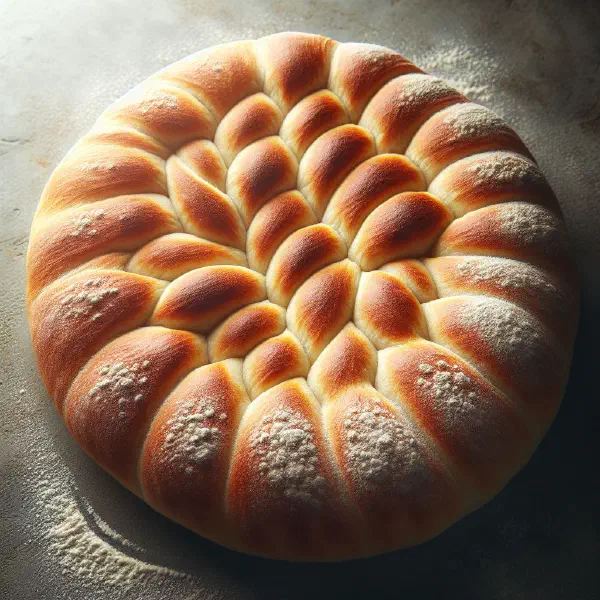
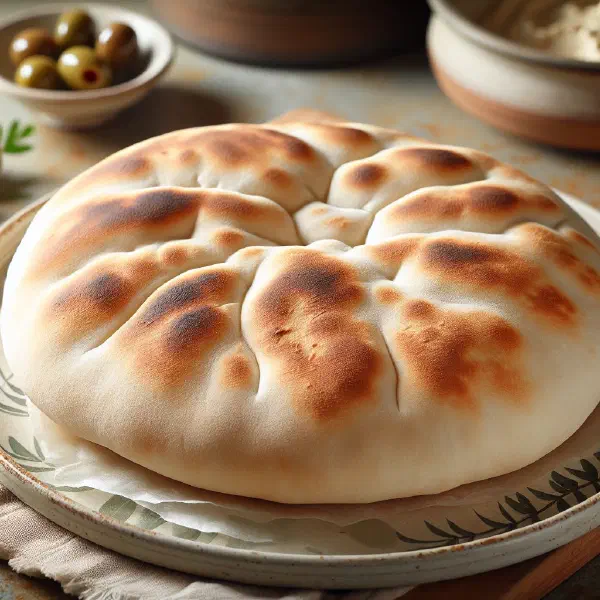
Meet Samun, the soft, pillowy flatbread that turns up on tables across Bosnia and Herzegovina. Made from little more than flour, water, salt and yeast, it bakes up with a lightly crisp crust and a wonderfully airy crumb. It is the kind of bread that begs to be torn and shared, and it happily takes to all manner of fillings, from creamy cheese to roasted vegetables. Bring a little of the Balkans into your own kitchen with this simple, satisfying bake.
About Samun
Samun is a traditional Bosnian flatbread loved for its soft, airy texture. It is made from a handful of everyday ingredients, flour, water, salt and yeast, which makes it perfect for sharing and for enjoying on any occasion. The bread typically has a gently crisp crust and a fluffy interior that pairs beautifully with a wide range of fillings. Vegetables or something with a little roasted char, samun is sure to win over your taste buds.
Ingredients (serves 1–2)
- 250 g plain wheat flour
- 150 ml water
- 1/2 cube fresh yeast
- 1 teaspoon salt
- 1 tablespoon olive oil
Shopping for the ingredients
The ingredients for samun are easy to find in most supermarkets. Be sure to pick up fresh yeast, as it is key to the airy lightness of the bread. For the flour, it is worth reaching for a good-quality type to get the best possible result. The olive oil also plays an important role, lending the flatbreads flavour and a soft texture.
Preparing the dish
Preparing samun is quick and easy to master. Start by combining the dry ingredients, flour and salt, in a large bowl. In a separate bowl, dissolve the yeast in the water and then stir in the olive oil. Let the mixture rest for a few minutes before combining it with the dry ingredients. This is an important step for achieving an even, smooth dough.
Step-by-step instructions
- Combine the flour and salt in a bowl.
- In another bowl, dissolve the yeast in the water and add the olive oil.
- Add the liquid mixture to the dry ingredients and knead thoroughly.
- Cover the dough and leave it to rise in a warm place for about 30 minutes.
- Knead the risen dough well again and divide it into equal portions.
- Roll the portions into flat rounds and bake in a dry pan over medium heat until golden brown.
Gluten-free / lactose-free version
For a gluten-free version of samun, you can use a gluten-free flour that is specially suited to bread. Take care to adjust the yeast accordingly, as gluten-free flour often needs a different amount of liquid. For a lactose-free preparation the olive oil can be used without any concern. These tweaks mean this delicious dish can be enjoyed by anyone with special dietary needs too.
Tips for vegans and vegetarians
Samun is naturally vegetarian and easily adapted for a vegan diet, as it contains no animal products at all. You can pair the dough with plant-based fillings such as vegetables, tofu or pulses to create a complete meal. Experiment with different spices and herbs to vary the flavour and discover new, exciting variations.
More tips and tricks
One key tip for perfect samun is to knead the dough thoroughly to achieve an airy texture. Alongside the kneading, the resting time also plays a crucial role, since the dough needs enough time to rise. Check the temperature of the water; it should be lukewarm so the yeast can work at its best. You can also add a splash of water to the pan while baking to create steam and an even softer crust.
Adapting the recipe to your taste
The filling for samun is easily adjusted to personal preference. Popular options include feta, spinach or minced meat. You can also try a sweet version with jam or syrup that can be served as a dessert, a bit like a lighter take on Baklava. Vary the spices and ingredients to create your own individual flavour experience, much as you would when filling a Burek.
Ingredient substitutions
If you do not have any fresh yeast to hand, you can also use dried yeast, which is easier to store. In that case, mind the conversion and reduce the amount accordingly. For an even healthier variation you can use wholemeal flour, which is rich in fibre, as in a hearty Kukuruzni Hljeb. Experiment with different oils, such as avocado or coconut oil, to bring different flavours to your bread.
Drink pairing ideas
Samun is a versatile bread that goes well with many drinks. A refreshing yoghurt drink or ayran is a popular choice to complement the flavours of the bread. For a more spiced combination you could offer a glass of fresh herbal tea, which supports the dish in flavour. A fruity juice or a light beer also pairs wonderfully with samun and rounds off your meal.
Serving and presentation ideas
The presentation of samun can lift the whole dining experience. Serve the flatbreads on a beautiful wooden board to create a rustic look. The fillings can be placed alongside in small bowls so every guest can create their own combinations. A few fresh herbs or edible flowers on the plate add extra colour and make the dish even more appealing.
A bit of history
Samun has a long tradition in Bosnian cooking and reflects the country’s culinary diversity. It was originally developed by nomadic peoples and has evolved over the centuries. Today it is a firm part of Bosnian food culture and is often served at festivals and special occasions. Through its use of local ingredients, samun mirrors the history and culture of Bosnia, and it sits proudly within the wider world of Bosnian cuisine.
More recipe ideas
Summary: Samun
In summary, samun is an excellent example of Bosnian cooking, winning people over with simple ingredients and delicious flavours. With the right preparation, anyone can make this tasty flatbread at home. However you serve or fill it, samun brings the spirit of Bosnia to the table and delivers a memorable taste experience.