National Dish Bosnia and Herzegovina: Sarma (Recipe)
In this article
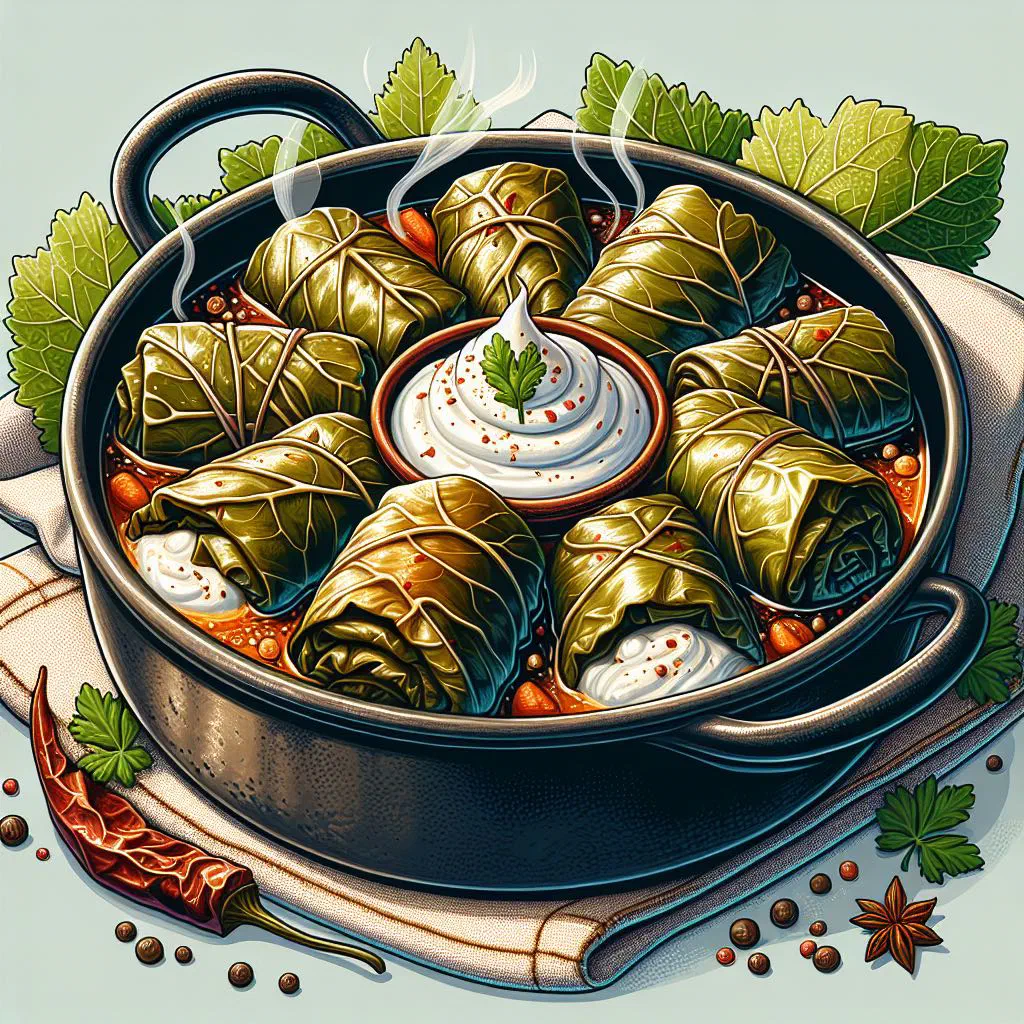
Discover Sarma, the much-loved national dish of Bosnia and Herzegovina. These hearty stuffed cabbage rolls wrap tender leaves around a savoury filling of spiced minced meat and rice, then simmer gently in an aromatic sauce until meltingly soft. It is a proper feast for family and friends, the kind of warming, generous dish that appears on the table at celebrations, holidays and Sunday gatherings alike. Bring the comforting flavours of the Balkans straight to your own kitchen.
About Sarma
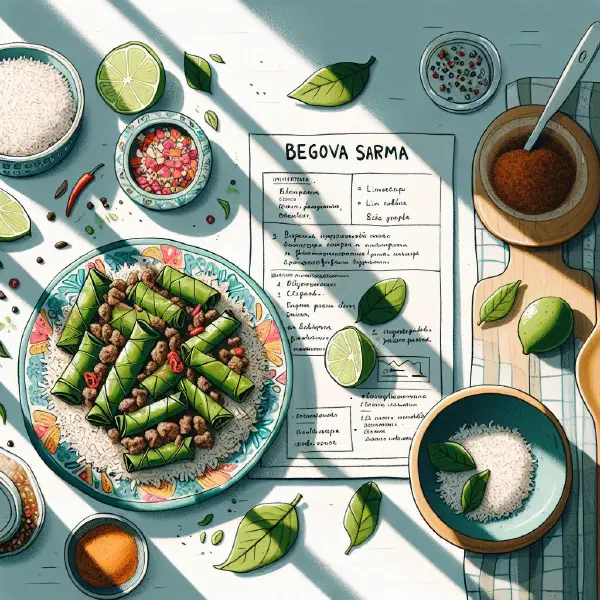
Sarma is far more than a meal; it is a symbol of Bosnian culture and tradition. Rooted in the wider Mediterranean and Balkan kitchen, it has won over food lovers well beyond its homeland. In Bosnia it is widely enjoyed and often served at festive occasions and on holidays. The dish is built around stuffed cabbage leaves, gently cooked in a savoury sauce that gives every roll an incomparable depth of flavour. The result is a warming, satisfying plateful that brings people together.
Ingredients (serves 1–2)
- 300 g minced beef
- 200 g rice
- 1 large head of sauerkraut or fresh cabbage
- 1 onion
- 2 cloves of garlic
- 1 tsp paprika
- Salt and pepper, to taste
- 500 ml stock or water
- Oil, for frying
Shopping for the ingredients
For Sarma the ingredients are easy to source in most supermarkets or at local markets. It is well worth choosing fresh, good-quality vegetables and meat. Pay particular attention to the quality of the rice and the meat, as these form the flavour base of the dish. If you would prefer a plant-based version, ready-made vegan mince is stocked by most health-food and wholefood shops.
Preparing the dish
Before you start making Sarma, wash and prepare all your ingredients thoroughly. Finely chop the onion and garlic and fry them gently in a little oil until soft and translucent. Give the rice a quick rinse beforehand to remove excess starch. Then combine all the filling ingredients in a bowl and season generously with salt, pepper and paprika to finish.
Step-by-step instructions
- Separate the cabbage head and carefully peel off the individual leaves.
- Spoon the prepared mixture of minced meat, rice and spices into the centre of each leaf.
- Roll the leaves up tightly and tuck in the ends to hold the filling securely.
- Layer the stuffed rolls into a large pot.
- Pour over the stock or water and bring to the boil.
- Simmer over low heat for 1.5 to 2 hours, until the rice is fully cooked.
Gluten-free / lactose-free version
The classic Sarma recipe is naturally gluten-free and lactose-free, as long as you use a gluten-free mince and steer clear of any lactose-containing ingredients. Simply use oil in place of butter, and check the stock for any hidden additives. These small adjustments mean the dish can still be enjoyed if you have particular dietary needs, all while keeping its unmistakable flavour intact.
Tips for vegans and vegetarians
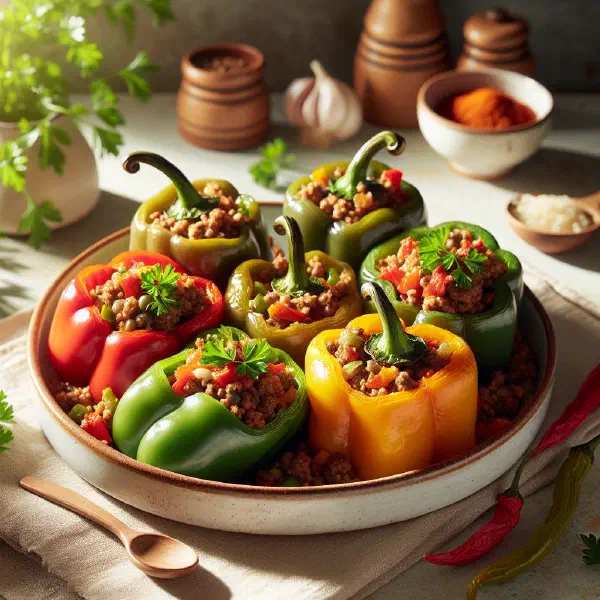
To make Sarma suitable for vegans and vegetarians, swap the meat for plant-based mince or a mixture of lentils and vegetables. In place of the minced beef, well-seasoned cubes of extra-firm tofu or seitan also work beautifully. Be creative with the seasoning and add fresh herbs for extra depth. The result is a dish that stays every bit as delicious and satisfying. For more meat-free inspiration, try the vegetable-packed Punjena Paprika.
More tips and tricks
A couple of handy tips for making Sarma: blanch the leaves briefly before filling them to make them more pliable. Roll the leaves snugly but not too tightly, so they do not split. Feel free to experiment with the filling, diced vegetables, for example, make a lovely addition. This gives you an interesting variation on the dish’s textures and flavours.
Adapting the recipe to your taste
The wonderful thing about Sarma is its versatility. If you like it milder or spicier, simply adjust the seasoning to suit. You can also combine different meats, a blend of pork and beef, for instance, to create your own signature flavour. These easy tweaks mean everyone can tailor the dish exactly to their own preferences, much like the hearty Bosanski Lonac.
Ingredient substitutions
If you are looking for alternatives to some of the ingredients, you could use quinoa or buckwheat in place of the rice. These options not only offer different textures but are wonderfully nutritious too. For a spicier note, try experimenting with different varieties of paprika, or add a pinch of caraway. That way the dish stays lively and full of interest.
Drink pairing ideas
With a delicious plate of Sarma we recommend a light, dry white wine that lets the flavours shine without overpowering them. A German Riesling or a Bosnian wine both pair very nicely. For those who prefer to stay alcohol-free, a refreshing pomegranate juice is a great choice, as its sweetness offers a lovely contrast to the dish’s savoury notes. Round the meal off with a traditional Bosanska Kahva.
Serving and presentation ideas
To serve Sarma attractively, arrange the rolls on a large, shallow plate. Garnish with fresh herbs such as parsley or dill to add a splash of colour. A dollop of sour cream or yoghurt also makes a lovely topping. Present it on a rustic serving platter to heighten that traditional, homely feel.
A bit of history
Sarma has its roots in the old Ottoman kitchen and has since become popular across many countries of the Balkan region. Every household has its own way of preparing it, which has given rise to a wonderful variety of versions. It tells the story of the cross-cultural influences and culinary traditions woven into the region, and it remains a wonderful example of Bosnian cuisine. This dish is the ideal marriage of history and flavour, and a staple of countless family gatherings.
More recipe ideas
Summary: Sarma
In short, Sarma is a true feast that has stood the test of centuries. It is both simple to prepare and deeply rewarding to eat. With the right choice of ingredients and spices, you can bring a piece of this tradition into your own kitchen. Give this dish a try, and let its flavours and culture inspire you.