National Dish Botswana: Dikgobe tsa Mabele (Recipe)
In this article
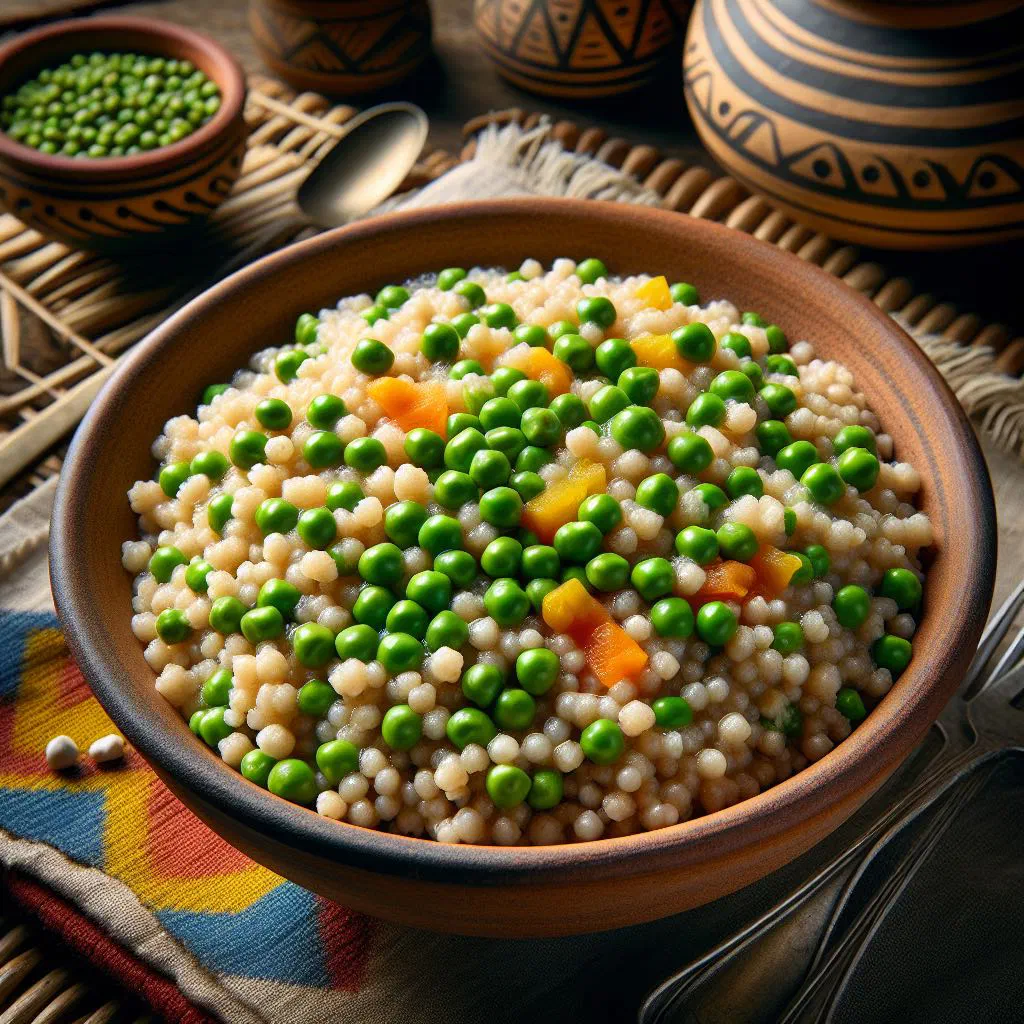
Say hello to Dikgobe tsa Mabele, a nourishing everyday classic from the heart of Botswana. This wholesome dish brings together earthy maize meal and protein-rich legumes for a bowlful that is as comforting as it is good for you. Simple enough for a beginner yet endlessly satisfying, it works beautifully as a hearty main or a filling side. Bring a taste of southern Africa to your own table with this gentle, feel-good staple.
About Dikgobe tsa Mabele
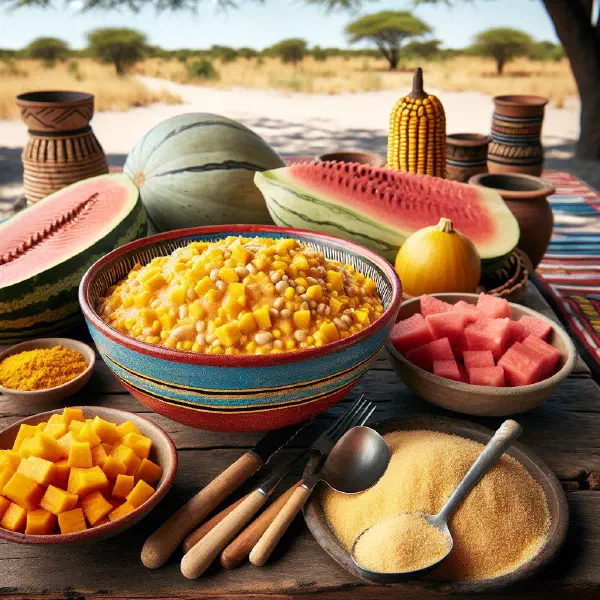
Dikgobe tsa Mabele is a delicious national dish from Botswana that captures the wonderful flavours and traditions of Botswanan cooking. It pairs wholesome maize meal with nutritious legumes, delivering an excellent taste and a generous helping of nutrients. Preparing dikgobe tsa mabele is refreshingly straightforward, making it suitable for beginners and experienced cooks alike. Enjoy the versatility of this dish, which shines equally well as a main course or as a filling side.
Ingredients (serves 1–2)
- 1 cup maize meal
- 1/2 cup legumes (e.g. lentils or beans)
- 2 cups water
- 1/2 teaspoon salt
- 1 tablespoon oil (optional)
Shopping for the ingredients
The key to a great dikgobe tsa mabele lies in the quality of the maize meal and the legumes. It is well worth choosing organically grown produce to get the best nutrients and flavours. You will find fresh ingredients in most supermarkets or at your local weekly market. Don’t forget to keep an eye out for local or traditional producers too, which will bring authentic flavours to your dish.
Preparing the dish
Before you begin, give the legumes a good rinse and, if they are dried, soak them in water. This improves digestibility and cuts the cooking time considerably. The maize meal should likewise be measured out and, if you like, lightly pre-mixed in a bowl so that all your ingredients are ready to hand. This careful preparation makes the cooking process easier and leads to a delicious end result.
Step-by-step instructions
- Bring 2 cups of water to the boil in a pan.
- Add the legumes and cook for around 15–20 minutes, until they are tender.
- Reduce the heat, then add the maize meal and the salt. Stir well.
- Cover the pan and let the mixture simmer over low heat for about 10 minutes.
- If you like, finish the dish with a tablespoon of oil to deepen the flavour.
Gluten-free / lactose-free version
Dikgobe tsa mabele is naturally gluten-free, as it is based on maize meal. This makes it an excellent choice for anyone with coeliac disease or a gluten intolerance. Since no animal products are used, the dish is also lactose-free. Just be sure to check ingredients such as the oil and legumes to make sure no hidden allergens have crept in.
Tips for vegans and vegetarians
Dikgobe tsa mabele is naturally vegan, which makes it a tasty option for vegans and vegetarians alike. To add extra flavour, you can enrich the dish with herbs or spices such as cumin or coriander. A squeeze of lemon juice lends it a fresh, lively note. Not only is this dish full of nutrients, it is also wonderfully versatile. Perfect for both vegetarian and vegan diets.
More tips and tricks
To make sure your dikgobe tsa mabele turns out perfectly, it is important to keep a close eye on the water temperature. Too little water can leave the dish dry, while too much can alter the texture. Stir the mixture regularly to prevent sticking and to achieve an even, well-cooked result. You can also add other vegetables to fold in extra nutrients and flavour, much as you would in a comforting Groundnut Stew.
Adapting the recipe to your taste
This recipe for dikgobe tsa mabele is extremely flexible and easily tailored to personal preference. Many cooks experiment with different legumes to create varied flavours and textures. Feel free to fold in any vegetables or herbs you enjoy, just as you might in a hearty Nawa Beans Stew. Tweaks like these make the dish more interesting and make it uniquely your own.
Ingredient substitutions
If you don’t have suitable legumes to hand, you can use other protein sources such as quinoa or rice to achieve similar nutritional value. The maize meal can be replaced with rice flour where needed to create a gluten-free variation. These alternatives let you put together a delicious dish using easily available ingredients, in the same spirit as the versatile Samp and Beans. Experiment with different combinations to find the flavour that is perfect for you.
Drink pairing ideas
To accompany your meal, there are plenty of drinks worth considering. A refreshing ginger tea or a lightly sparkling white wine complements the flavours of dikgobe tsa mabele beautifully. For a non-alcoholic option, freshly pressed juices are a great choice. They round out the flavour complexity of the dish and create a harmonious dining experience.
Serving and presentation ideas
The presentation of your dikgobe tsa mabele can be just as important as the flavour. Serve the dish in an attractive, deep bowl and garnish it with fresh herbs such as parsley or coriander. A colourful selection of vegetable sticks or a salad can also be arranged on the plate to offer visual and flavour contrasts. A thoughtfully arranged presentation adds to the overall dining experience and makes your dish even more inviting.
A bit of history
Dikgobe tsa mabele carries deep cultural significance in Botswana, where it is traditionally regarded as a staple food. The use of legumes is healthy and part of the region’s sustainable farming traditions. Historically, people prepared this dish to sustain themselves with nutritious ingredients through difficult times. Today it is treasured in homes and restaurants alike and is a symbol of the connection to Botswanan culture, a proud example of Botswanan cuisine.
More recipe ideas
Summary: Dikgobe tsa Mabele
In short, dikgobe tsa mabele is an easy-to-make and nourishing dish prepared with maize meal and legumes. It reflects the rich culture of Botswana and works equally well as a main course or a side. With plenty of room for adaptation, it is a versatile recipe that can be enjoyed in many different variations. Don’t miss out on the good taste experience of dikgobe tsa mabele, and bring a little piece of Africa to your table.