National Dish Botswana: Diphaphatha (Recipe)
In this article
Meet Diphaphatha, the traditional national dish of Botswana and a firm favourite in homes and at celebrations alike. These thick, golden maize flatbreads are simple to make yet wonderfully versatile, pairing beautifully with everything from rich, slow-cooked stews to a scatter of fresh vegetables. Made with humble, local ingredients, they carry the warm, honest flavours of southern Africa straight into your own kitchen.
About Diphaphatha
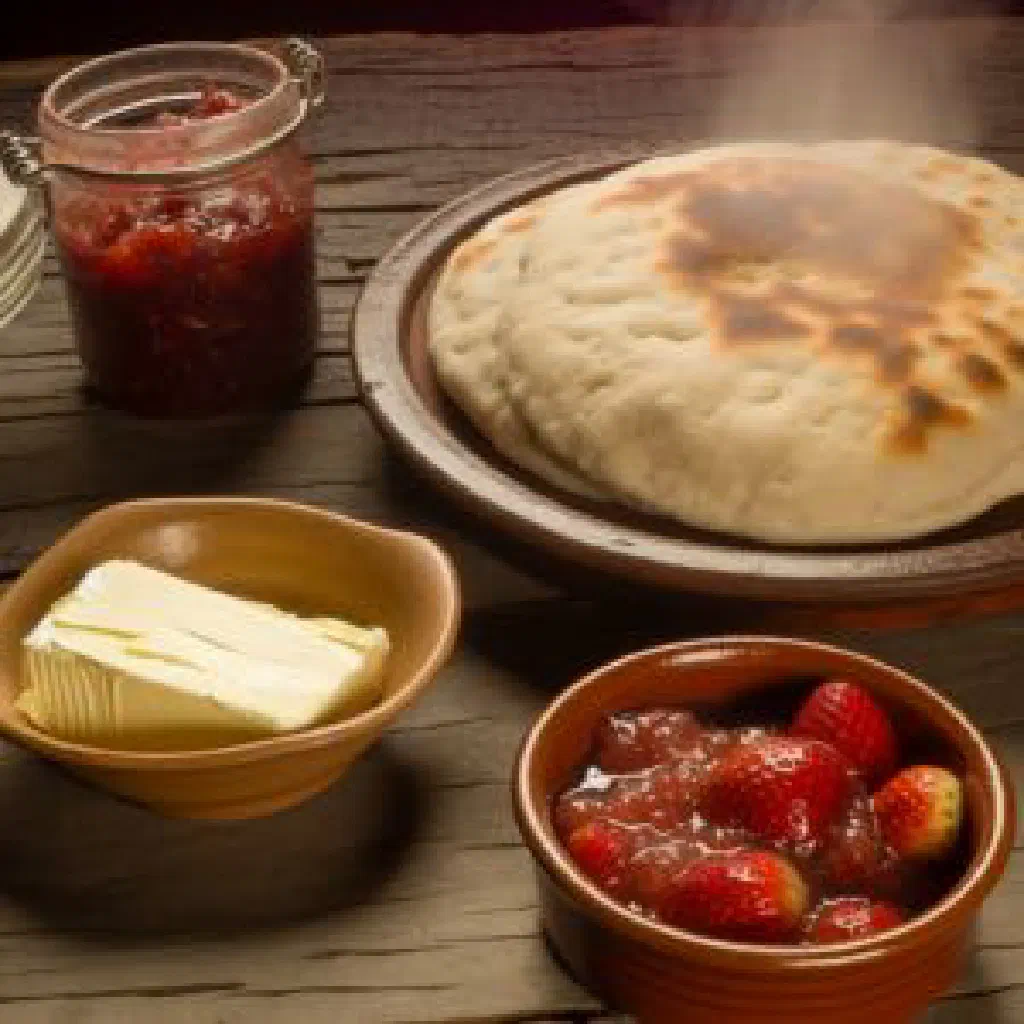
Diphaphatha is the traditional national dish of Botswana, enjoyed both in everyday households and at festive gatherings. At its heart are thick maize flatbreads, which can be shaped and sized in all sorts of ways to suit the occasion. The dish’s great charm lies in the many accompaniments served alongside it, from hearty stews to crisp, fresh vegetables. It is the marriage of these flavours with simple, local ingredients that makes diphaphatha such a distinctive and memorable treat.
Ingredients (serves 1–2)
- 1 cup maize meal
- 1 ½ cups water
- 1 pinch of salt
- Optional: spices of your choice
- To serve: a stew or fresh vegetables
Shopping for the ingredients
When shopping for diphaphatha, it pays to choose fresh, good-quality produce. The maize meal is the main ingredient and should be as fresh as possible to guarantee the best flavour. If you cannot get hold of locally milled maize meal, a well-stocked supermarket or a specialist African grocer is a good place to look. Pick up some fresh vegetables too, and perhaps a well-seasoned stew, to round the dish out.
Preparing the dish
Preparing diphaphatha is refreshingly straightforward and takes only a few steps. Begin by gathering all your ingredients and making sure your work surface is clean and organised. The maize meal can be seasoned with different spices depending on your taste, giving the flatbreads a personal touch. This relaxed, creative approach lets you tailor the dish and lend it a flavour all of its own.
Step-by-step instructions
- In a bowl, combine the maize meal with the water and a pinch of salt, mixing until you have a smooth, even dough.
- Divide the dough into small portions and shape each one into a thick flatbread.
- Heat a frying pan and cook the flatbreads over a medium heat until golden brown on both sides.
- Keep the flatbreads warm while you prepare the accompaniments.
- Serve the dish with a hearty stew or fresh vegetables.
Gluten-free / lactose-free version
Diphaphatha is naturally suited to a gluten-free diet, as maize meal contains no gluten; for an even lighter texture you can blend in a little gluten-free maize starch. A lactose-free version is just as easy, since the basic ingredients for diphaphatha contain no dairy at all. As always, it is worth reading the labels when you shop and choosing suitable alternatives where needed. The result is a wholesome, tasty dish that everyone can enjoy.
Tips for vegans and vegetarians
Diphaphatha adapts effortlessly to suit vegans and vegetarians. The flatbreads themselves are already plant-based, so you are free to choose whichever accompaniments you like. Vegetable stews, pulses or mushroom dishes all pair perfectly with the flatbreads. Leafy greens such as Morogo Wa Dinawa make a nourishing side that brings colour and a real burst of flavour to the plate.
More tips and tricks
A few extra tips and tricks can make preparing diphaphatha even easier. It is best to add the water gradually, so the dough does not become too runny. Preheating the pan properly is also key, helping the flatbreads cook through evenly. Finally, a little olive oil in the pan stops the flatbreads sticking and adds a touch more flavour.
Adapting the recipe to your taste
The recipe for diphaphatha is easy to tailor to your own preferences. You might, for example, stir in different spices to vary the flavour, or choose your accompaniments according to the season and what you fancy. A thoughtful, creative presentation also goes a long way towards making the dish more appealing and turning it into the highlight of any table.
Ingredient substitutions
If you do not have every ingredient to hand, there are plenty of substitutions to try. In place of maize meal you could use millet or rice flour, giving a different but equally delicious result, much like the grain-based Sorghum Porridge enjoyed across the region. Fresh vegetables can be swapped freely depending on the season and what is available. Little changes like these are a great way to discover new flavour combinations and keep the dish feeling fresh.
Drink pairing ideas
A traditional dish like diphaphatha goes well with a range of drinks that round off the experience. A freshly pressed fruit juice or a light African beer both make excellent companions. For those who prefer to stay alcohol-free, a herbal tea or a refreshing glass of lemon water works beautifully. The right drink can lift the whole meal, so it is worth giving it a little thought.
Serving and presentation ideas
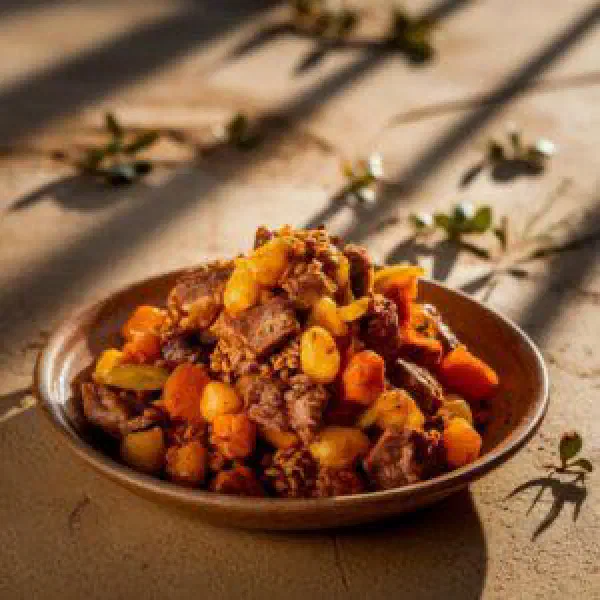
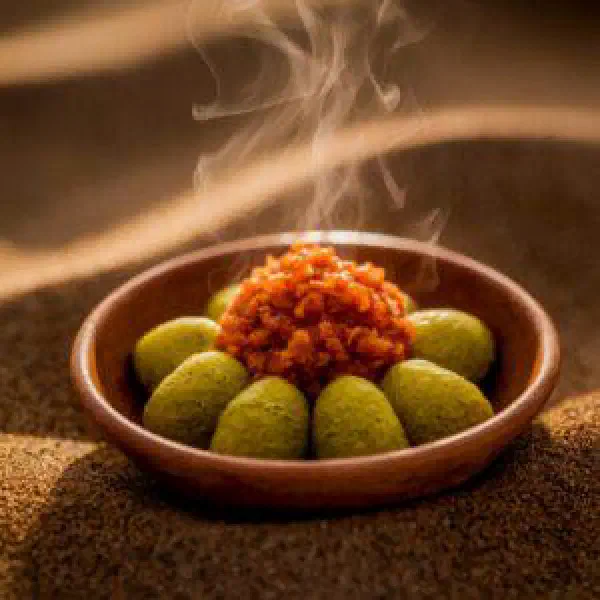
Presentation plays an important part in serving diphaphatha. A handsome platter with the flatbreads arranged artfully in the centre makes the dish especially inviting. Arrange the accompaniments in bright, varied colours to create a visual feast, and the meal will look every bit as appealing as it tastes. A creative layout turns a simple plate of food into a warm, welcoming spread.
A bit of history
Diphaphatha has a long tradition in Botswana’s cuisine and is deeply woven into the country’s culture. Its origins are thought to reach back to the earliest days of the region’s typical diet, when maize was cultivated as a staple crop, and it remains a cornerstone of the local kitchen to this day. Historically, diphaphatha was often eaten as a filling everyday food that helped rural communities keep their energy up, much as hearty dishes like Beef Seswaa still do. It is a fine example of Botswana cuisine at its most comforting.
More recipe ideas
Summary: Diphaphatha
In short, diphaphatha is an indispensable part of Botswana’s cuisine, celebrated for its simple preparation and its wonderful versatility. Using fresh, local ingredients means that no two servings are ever quite the same. Diphaphatha is sure to please every palate and offers a lovely way to bring the flavours of Africa into your own home. Give it a try and let the warm spirit of African hospitality win you over.