National Dish Botswana: Kalahari Bread (Recipe)
In this article
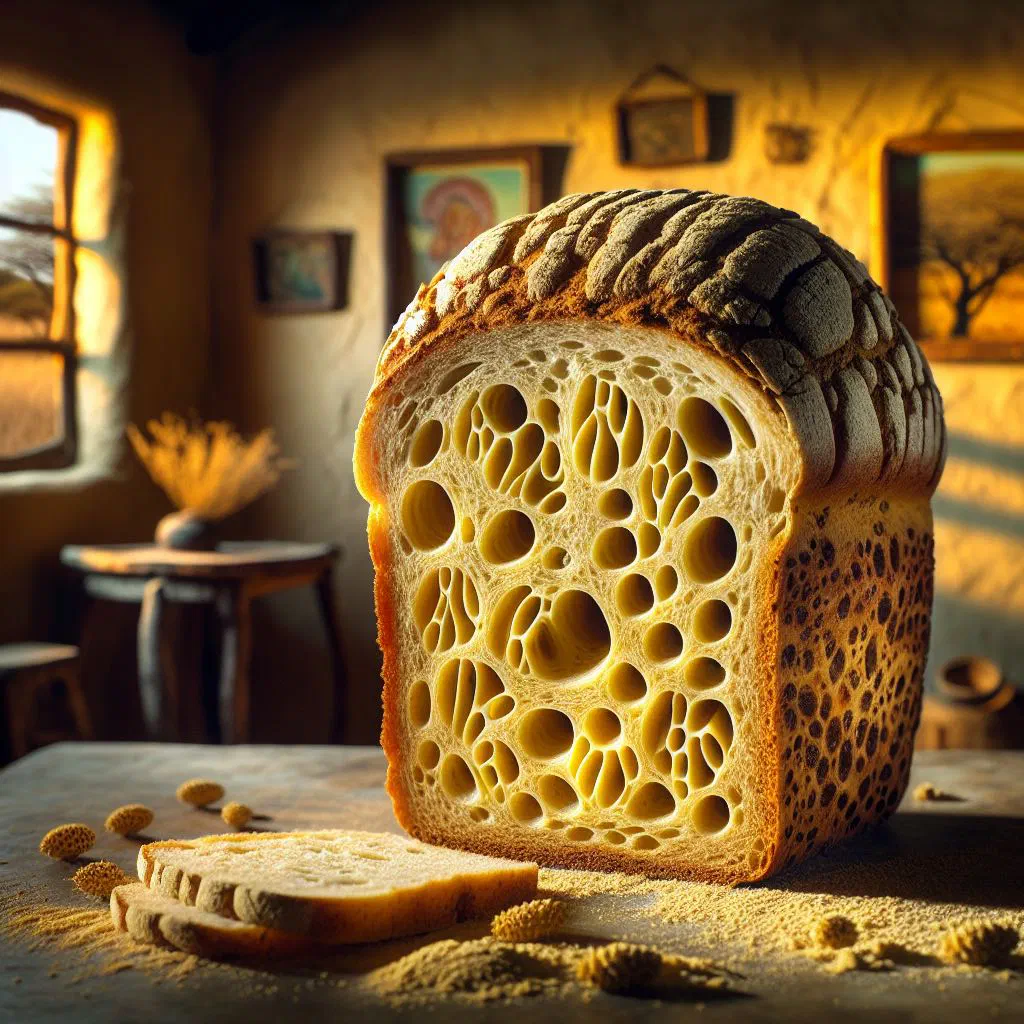
Discover Kalahari Bread, a rustic flatbread that brings the earthy, honest flavours of Botswana’s great desert straight to your own kitchen. Simple to make and deeply satisfying, this humble loaf needs little more than flour, water and a hot pan. It carries the resourcefulness of the San people who have long thrived in the Kalahari, and its hearty texture makes it the perfect companion to stews, dips and grilled dishes alike.
About Kalahari Bread
Kalahari Bread is a traditional bread from Botswana with roots in the rich culture of the San peoples. This plain yet delicious loaf is baked in the Kalahari Desert and is a symbol of the survival skills of those who live in this harsh environment. Preparing the bread is a communal act, often made as part of celebrations or gatherings. With its earthy aromas and hearty consistency, it pairs beautifully with a whole range of dishes and captures the spirit of a resourceful, close-knit way of life.
Ingredients (serves 1–2)
- 1 cup wholemeal flour
- 1 teaspoon salt
- 1 teaspoon baking powder
- 1/2 cup water (as needed)
- 2 tablespoons oil (optional)
Shopping for the ingredients
The ingredients for Kalahari Bread are easy to find in most supermarkets. Take care to choose a good-quality wholemeal flour, as this is decisive for the flavour and texture of the bread. Salt and baking powder are important ingredients that give the loaf both structure and taste. You might also look to local markets, which can sometimes offer fresher produce and a little more character.
Preparing the dish
Before you begin making the Kalahari Bread, it helps to measure out and lay all your ingredients ready. This makes the cooking process smoother and ensures nothing is forgotten. It is also worth having the necessary utensils, a bowl, a spoon and a frying pan, close to hand. As a general rule, set up a clean work area so the preparation feels pleasant and efficient from start to finish.
Step-by-step instructions
- In a large bowl, combine the wholemeal flour, salt and baking powder thoroughly.
- Slowly add water until a smooth dough forms. Add a little oil if you like, to make the dough more supple.
- Knead the dough well on a floured surface until it is elastic.
- Divide the dough into small portions and roll them out flat.
- Fry the flatbreads in a hot, dry pan on both sides until golden brown.
Gluten-free / lactose-free version
For a gluten-free version of the Kalahari Bread, alternatives such as rice flour or almond flour work well. Be sure to choose a baking powder that is also gluten-free. There is no lactose in this recipe at all, so it is naturally suited to a lactose-free diet. These adjustments are simple to make and open up plenty of possibilities for anyone with particular food intolerances.
Tips for vegans and vegetarians
Kalahari Bread is naturally plant-based, which makes it a perfect fit for a vegan diet. Simply use vegetable oils rather than any animal fats if you decide to adapt the recipe. You can also add various herbs or spices to intensify the flavour. For an extra nutrient boost, try working ground flaxseed into the dough, much as the wholesome grains that shape Sorghum Porridge.
More tips and tricks
A few tips can make the Kalahari Bread even more delicious. Try scattering the loaves with seeds such as sesame or chia before frying. These add extra texture and healthy nutrients. The cooking method can vary too, as the bread can be fried in a pan or baked in the oven. Experiment with the temperatures to achieve just the crispness you are after.
Adapting the recipe to your taste
The recipe for Kalahari Bread is versatile and easily tailored to personal preference. Add dried herbs or spices to the dough, for example, to create a fresh flavour profile. Anyone with a sweet tooth can stir in a little honey or sugar. The type of liquid can vary as well, instead of water, try a blended drink or a plant-based milk for a different result.
Ingredient substitutions
If you do not have every ingredient to hand, there are healthy alternatives for the Kalahari Bread. In place of wholemeal flour, you might try buckwheat flour or oat flour, both of which give good results. For baking powder, you can make your own mix from bicarbonate of soda and vinegar. These variations let you get creative and put your own spin on the flavour, in the same spirit as a homemade Millet Bread.
Drink pairing ideas
Kalahari Bread is wonderful alongside a variety of drinks. A flavourful herbal tea or a refreshing fruit smoothie makes a lovely accompaniment, and a cup of Rooibos Tea suits its earthy character particularly well. A cold beer or a light white wine can also pair nicely with this hearty bread. Experiment with different flavours to find the perfect combination.
Serving and presentation ideas
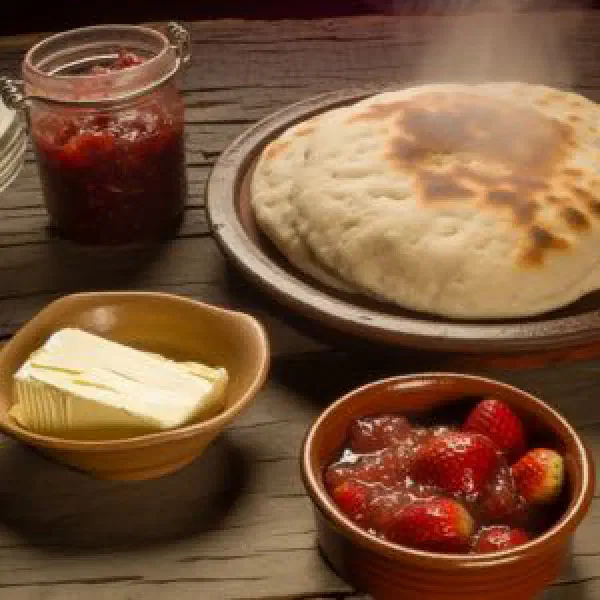
Presentation plays a big part when serving Kalahari Bread. Offer the loaves on a rustic wooden board together with a selection of dips and spreads. Colourful vegetables or a fresh salad can lighten the dish and make it more appealing to the eye. Use fresh herbs as a garnish to please both the eye and the palate.
A bit of history
Kalahari Bread is inseparable from the history of the San peoples who live in the Kalahari Desert. These first inhabitants use the limited resources of the desert to prepare nourishing and flavourful dishes. The bread often stands for community and cultural identity, and is frequently part of traditional celebrations. The recipe is passed down from generation to generation, reflecting the survival skills and culture of these people, a cornerstone of Botswana cuisine.
More recipe ideas
Summary: Kalahari Bread
In short, Kalahari Bread is a simple, flavourful dish that is rich in history and culture. The preparation is straightforward and calls for only a few ingredients, all of which are easy to adapt. With various twists and additional toppings, it can become a versatile companion to many meals. This delicious speciality from Botswana is a treat for the palate and a piece of cultural heritage well worth preserving.