National Dish Botswana: Madila (Recipe)
In this article
Madila is Botswana’s cultured milk — thick, tangy and slightly sour, traditionally fermented in a leather sack or a gourd and eaten spooned over hot maize pap. It is one of the oldest foods in southern Africa, a way of keeping milk edible for days in a climate where fresh milk lasts hours, and it remains an everyday staple.
About Madila
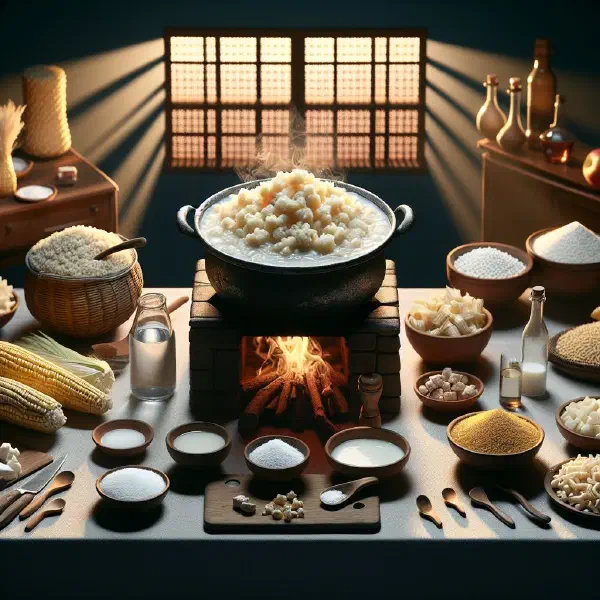
Madila is traditional fermented milk from Botswana, thickened and soured by natural culture until it resembles a loose yoghurt or a thick buttermilk. Historically it was made in a lekuka, a leather bag hung in the shade, where wild cultures did the work over several days. It is eaten with maize or sorghum porridge, and the combination, bland starch, sharp cultured milk, is the backbone of everyday Setswana eating.
Ingredients (serves 1–2)
- 500 ml whole milk (not UHT if possible)
- 2 tablespoons natural yoghurt or buttermilk, as a starter culture
- A pinch of salt
- To serve: 150 g maize meal or sorghum flour, for the pap
- 250 ml water, for the pap
Shopping for the ingredients
Use fresh pasteurised whole milk rather than UHT, which ferments poorly and can taste flat. Any live natural yoghurt or cultured buttermilk works as a starter, check the label says “live cultures”. Maize meal is sold in African grocers and increasingly in mainstream supermarkets as polenta or mielie meal.
Preparing the dish
Warm the milk gently to about body temperature. No hotter, or you will kill the culture. Have a clean glass jar ready, since fermentation is unforgiving of stray bacteria. The milk needs a warm, undisturbed place for a day or two, so think about where before you start.
Step-by-step instructions
- Warm the milk to about 37 °C, then remove from the heat.
- Stir in the yoghurt or buttermilk starter until fully dispersed.
- Pour into a clean glass jar and cover loosely with a cloth.
- Leave in a warm place (20–25 °C) for 24–48 hours, until thickened and pleasantly sour.
- Stir gently, add a pinch of salt, and refrigerate to stop the fermentation.
- For the pap, bring the water to the boil, rain in the maize meal and stir constantly.
- Cook the pap for 15–20 minutes until thick and smooth, then serve with the madila spooned over.
Gluten-free / lactose-free version
Madila is naturally gluten-free, and the fermentation reduces its lactose considerably, many people who struggle with fresh milk tolerate it well. For a fully lactose-free version, ferment lactose-free milk with a lactose-free starter, which works exactly the same way.
Tips for vegans and vegetarians
The dish is vegetarian as it stands. For a vegan version, ferment an unsweetened soy or coconut milk with a vegan yoghurt starter, soy cultures most reliably. Served over pap it fills the same role, and the sharpness that makes madila work survives the substitution.
More tips and tricks
Cleanliness matters more than technique: sterilise the jar, and if anything smells off rather than pleasantly sour, start again. Judge by taste rather than the clock, since warm kitchens ferment far faster than cool ones. And save two spoonfuls of each batch as the starter for the next. That is how it has always been done.
Adapting the recipe to your taste
Some households ferment longer for a sharper, almost cheese-like result, which is then eaten with sugar as a treat. Straining the madila through cloth gives a thicker product closer to a soft cheese. A little sugar or honey turns it into a simple dessert, particularly for children.
Ingredient substitutions
Goat’s milk ferments beautifully and is traditional in some regions. Buttermilk can be used directly if you have no time to ferment. Sorghum meal in place of maize gives a nuttier, more traditional pap.
Drink pairing ideas
Madila is usually eaten rather than drunk, but a thinner version is drunk straight from a cup. Alongside, water or rooibos tea is the everyday choice. Bojalwa, the traditional sorghum beer, would accompany it at gatherings.
Serving and presentation ideas
Serve madila in a bowl beside or poured over hot maize pap, letting the cold sourness meet the hot starch. That contrast is the whole point. It also works spooned over stewed greens (morogo) or simply eaten with a spoon. Serve it cold, straight from the fridge.
A bit of history
Fermenting milk is one of the oldest preservation techniques in southern Africa, developed by cattle-keeping peoples long before refrigeration existed. The leather lekuka used to make madila was a household fixture, passed down and never washed with soap so that its cultures survived. The practice continues in rural Botswana today and offers a genuine window onto Botswanan cuisine.
More recipe ideas
Summary: Madila
Madila is milk fermented until thick and tangy, southern Africa’s answer to yoghurt, and the traditional partner to maize pap. Warm the milk, add a spoonful of culture, wait a day, and you have a staple that has fed Botswana for centuries.