National Dish Botswana: Millet Bread (Recipe)
In this article
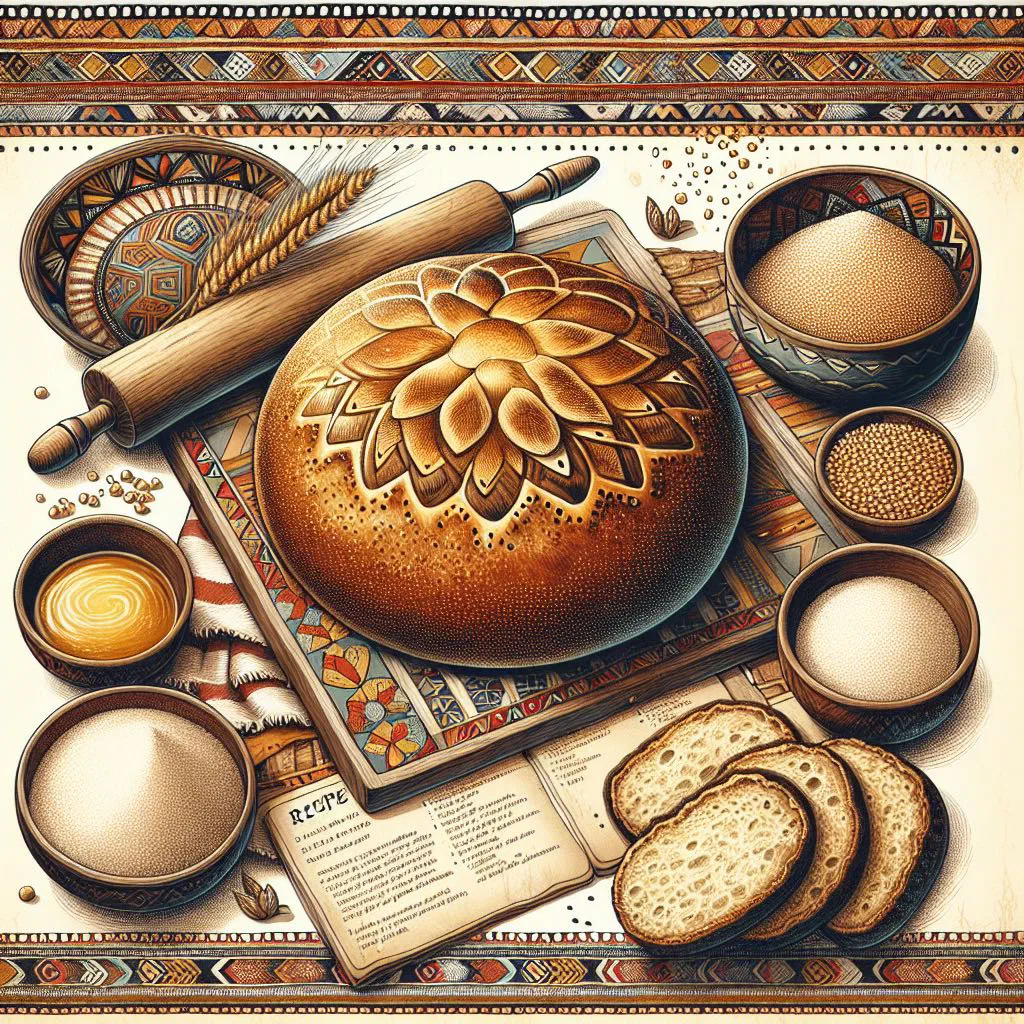
Discover Millet Bread, a wholesome loaf that sits at the heart of Botswana’s food traditions. Made with nutty, nutritious millet flour, this simple bread is packed with fibre and honest flavour, carrying the authentic taste of Africa straight to your table. It is a comforting, everyday bake that comes together with just a handful of pantry staples.
About Millet Bread
Millet Bread is far more than a tasty loaf; it is an integral part of Botswanan culture. This traditional recipe brings together its own distinctive aromas with nourishing millet, a grain rich in fibre and nutrients. Using millet makes the bread delicious and genuinely wholesome and satisfying. There are countless ways to weave this special bread into your own everyday cooking.
Ingredients (serves 1–2)
- 1 cup millet flour
- 1/2 cup water
- 1/4 cup vegetable oil
- 1 teaspoon salt
- 1 teaspoon sugar
- 1/2 teaspoon baking powder
Shopping for the ingredients
The ingredients for Millet Bread are available in most supermarkets and Asian grocery shops. The key ingredient, millet flour, can also be found in specialist health-food shops. Make sure the millet flour is fresh, as it can otherwise lose its aroma. Do not forget the other staples such as vegetable oil and salt, which play an important part in bringing the bread together.
Preparing the dish
To prepare Millet Bread, start by gathering all your ingredients to make the process easier. Measure everything out carefully and make sure you have a suitable mixing bowl to hand. A loaf tin or baking tray should also be ready so you can bake the bread once the dough is mixed. Good preparation keeps everything running smoothly through both the mixing and the baking.
Step-by-step instructions
- Preheat the oven to 180 degrees Celsius.
- In a bowl, combine the millet flour, baking powder, salt and sugar thoroughly.
- Add the water and vegetable oil, then stir everything into a smooth dough.
- Pour the dough into a greased loaf tin and smooth over the surface.
- Bake in the preheated oven for 30–35 minutes, until golden brown.
- Allow the bread to cool briefly after baking before turning it out of the tin.
Gluten-free / lactose-free version
Millet Bread is naturally gluten-free, as millet contains no gluten. This makes it an excellent choice for anyone with a gluten intolerance. Take care that all the other ingredients are gluten-free too, to avoid any cross-contamination. For lactose-free baking you can reach for plant-based alternatives to dairy products without the flavour suffering in the slightest.
Tips for vegans and vegetarians
For vegans, this recipe is ideal, as it contains no animal products at all. If you would like to add an extra source of protein, you can use chia seeds or flaxseeds as an egg substitute. Beyond that, you can fold in various plant-based extras such as dried fruit or nuts to make the bread even more nourishing. This simple recipe adapts easily to a range of dietary needs.
More tips and tricks
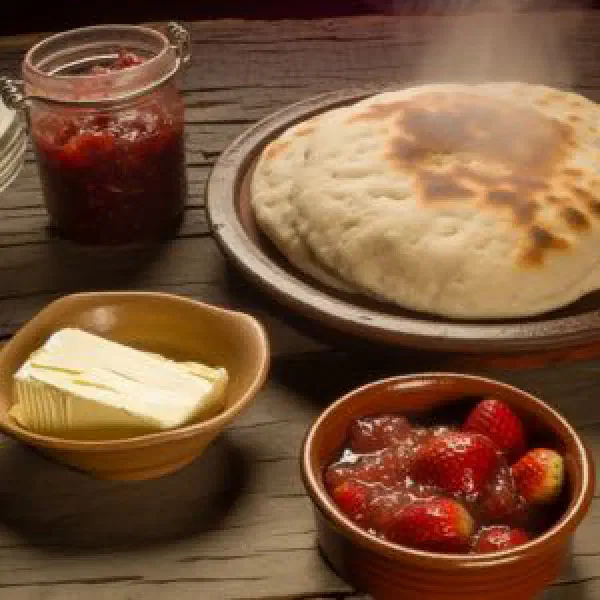
To get the best results when baking Millet Bread, always use fresh ingredients. The right ratio of liquid to flour is crucial for the consistency of the dough. You can also adjust the bread with different herbs and spices to vary the flavour. Do not hesitate to experiment with the ingredients and adapt the recipe to your own personal taste, much as you might with a batch of Diphaphatha.
Adapting the recipe to your taste
Millet Bread can be adjusted however you like. Do you prefer a sweeter loaf? Add a little more sugar or a drizzle of honey. For a more savoury version, you can work onions or garlic into the dough. Adding different seeds or grains can also enrich both the texture and the nutritional value of the bread. Discover the many ways to make it your own, just as bakers do with a rustic Vetkoek.
Ingredient substitutions
If you cannot find millet flour, you can also use other gluten-free flours such as rice flour or amaranth flour. For the liquid, plant-based milks such as almond or soya milk work well. The type of oil can vary too, instead of vegetable oil you might use coconut oil, for example, to lend the bread a distinctive note. Substitutions like these greatly widen your options in the kitchen.
Drink pairing ideas
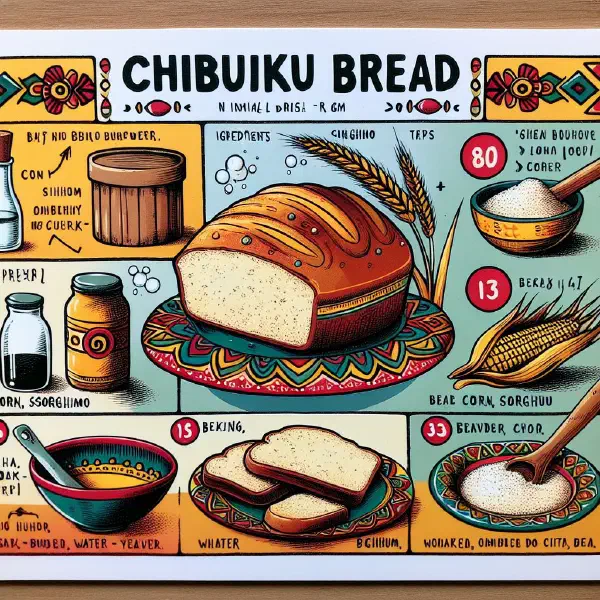
Millet Bread pairs beautifully with a wide range of drinks. A fresh herbal tea or a fruity juice complements the bread perfectly, while a light red wine suits its more savoury partners. Depending on the topping, sparkling mineral drinks or homemade lemonade can harmonise well too. A traditional brew such as Chibuku Bread also nods to Botswana’s love of grain-based fare. Experiment and find the perfect match for your bread.
Serving and presentation ideas
To present Millet Bread attractively, you can garnish it with fresh herbs or slice it and arrange the pieces neatly. A wooden board gives a rustic look, while on a colourful plate the bread really comes into its own. Serve it alongside various dips or spreads to create a cosy, inviting spread. The presentation can genuinely heighten the whole tasting experience, a fine centrepiece for a table of Botswana cuisine.
A bit of history
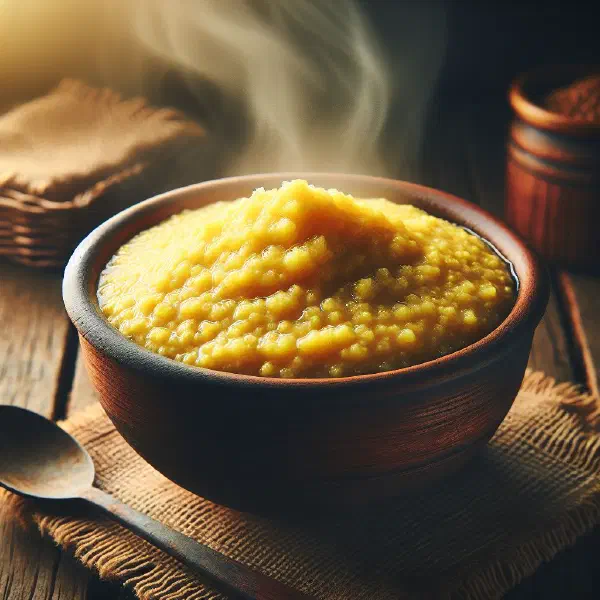
Millet Bread has its roots deep in Botswanan tradition. Millet has been cultivated and prized across various African cultures for centuries. The bread symbolises a culinary heritage and togetherness and gathering. Sharing food is of great importance in Botswana, and Millet Bread plays a central role, particularly at festive occasions and celebrations, much like the beloved Bogobe Jwa Lerotse.
More recipe ideas
Summary: Millet Bread
Millet Bread brings the authentic taste of Botswana to your table and a wealth of health benefits. It is simple to make and can be adapted to suit all kinds of dietary preferences. Garnished or plain, it is a treat for every food lover. Let it inspire you and give this traditional recipe a try, to discover the variety and richness of African cooking.