National Dish Botswana: Mokoto (Recipe)
In this article
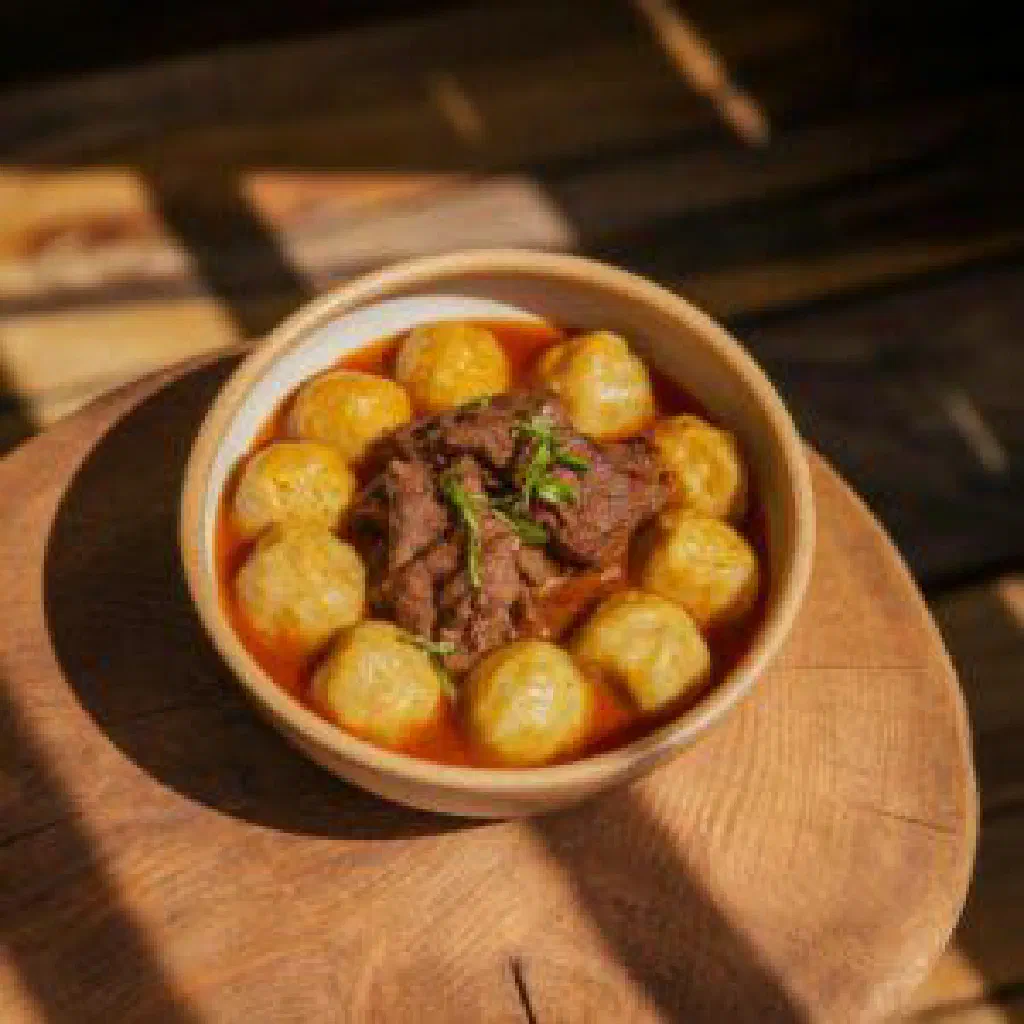
Meet Mokoto, a warming staple from the heart of Botswana that brings people together around the table. Built from humble maize meal, tender beans and a gentle blend of spices, it is honest, filling comfort food that celebrates the flavours of southern Africa. Simple to prepare yet deeply satisfying, this is the kind of dish that turns an ordinary meal into a shared occasion.
About Mokoto
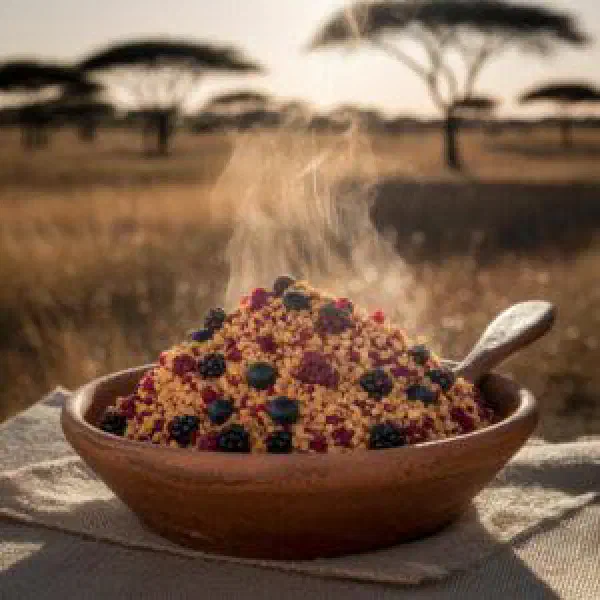
Mokoto is a hearty national dish of Botswana, made from a handful of traditional ingredients that come together to create something rich and comforting. The dish combines maize meal, beans and a mix of warming spices for a full, rounded flavour. In many households Mokoto is prepared not simply as a meal but as a family feast that draws the whole community together. Cooking it is a wonderful way to experience and appreciate a slice of African culture.
Ingredients (serves 1–2)
- 1 cup maize meal
- ½ cup cooked beans (such as black or red beans)
- 2 cups water
- 1 teaspoon salt
- 1 teaspoon paprika
- 1 teaspoon cumin
- 1 tablespoon vegetable oil
Shopping for the ingredients
The ingredients for Mokoto are easy to find in most food shops and markets. Maize meal is a staple across many African countries and should be available in larger supermarkets or specialist international grocers. Take care to choose the best beans you can, ideally fresh or well preserved, to bring out the fullest flavour. The spices, too, should be fresh so they lend the dish a bright, intense aroma.
Preparing the dish
Before you begin cooking Mokoto, it is worth taking a moment to prepare the ingredients. Start by cooking the beans and draining them well, or draining pre-cooked beans if you are using those. Measure out the maize meal you need and set the spices to hand. A little groundwork like this keeps the cooking process smooth and efficient, so you can enjoy your dish all the sooner.
Step-by-step instructions
- Bring the water to the boil in a pan and add the salt.
- Slowly pour in the maize meal while stirring to prevent any lumps forming.
- Add the cooked beans along with the spices and stir well.
- Let the mixture simmer over medium heat for a further 10–15 minutes, until it is thick and creamy.
- Take the dish off the heat before serving and let it rest for a few minutes.
Gluten-free / lactose-free version
Mokoto is naturally gluten-free as long as you use pure maize meal, making it an excellent option for anyone with a gluten intolerance. The recipe also contains no dairy, so it suits lactose-intolerant diners just as well. Do check that all your ingredients are certified free from gluten and lactose to be sure the finished dish is safe for everyone.
Tips for vegans and vegetarians
Mokoto is a tasty choice for vegans and vegetarians alike, since the dish is entirely plant-based. To add extra texture and a nutritional boost, you can work in more vegetables such as spinach or carrots. Many vegans love the delicious blend of flavours in Mokoto, and the beans provide a good source of protein too. Enjoy it with additional plant-based sides for a well-rounded meal, much like a comforting Groundnut Stew.
More tips and tricks
To make Mokoto perfectly, a few tips and tricks are worth keeping in mind. Make sure the water is properly boiling when you add the maize meal for the best results. If you would like a creamier consistency, simply stir in a little extra water or a plant-based drink. Experiment with different spices, too, to refine the dish to your own taste. Each time you cook Mokoto, new flavour combinations can create exciting variations.
Adapting the recipe to your taste
The recipe for Mokoto is easy to adapt to personal preferences. Feel free to vary the spices you use, or add surprising touches such as smoked paprika or fiery chillies. For an even more substantial version, work in more vegetables like courgette or peppers. You could also try different types of beans or lentils for a range of flavours. A little creativity is sure to bring a dish that is entirely your own.
Ingredient substitutions
If you do not have every listed ingredient to hand, there are a few alternatives you can use to make Mokoto. In place of maize meal, you might try polenta or rice flour, as long as they are gluten-free. For the beans, red lentils or chickpeas make suitable stand-ins, much as they would in a hearty Lentil Curry. These variations can give the dish a character all its own and bring extra nutritional benefits.
Drink pairing ideas
Mokoto pairs beautifully with a range of drinks. A cool glass of freshly pressed fruit juice such as mango or pineapple works perfectly against the savoury flavours of the dish. Traditional African drinks like amarula or rooibos tea also make an excellent match. If you prefer wine, opt for a lightly chilled white that will underline the flavours of the Mokoto. Experiment with different combinations to find your perfect menu.
Serving and presentation ideas
Presentation plays an important part in serving Mokoto attractively. You can plate the dish on a handsome plate and garnish it with fresh herbs. A few lush green leaves or edible flowers look especially good and bring a splash of colour. Adding brightly coloured vegetables as a side lends visual appeal too. Remember that food should not only taste good but look good as well.
A bit of history
Mokoto has its roots in the traditional cooking of Botswana and is a fine example of how locally grown staples are put to use. Preparing Mokoto is often a social event, bringing family and friends together to share a meal. Communal dining holds great meaning in Botswanan culture and conveys a strong sense of belonging. Cooking and sharing this dish keeps a piece of African tradition alive, one that still lives on in the hearts of many, and sits proudly within the wider world of Botswanan cuisine.
More recipe ideas
Summary: Mokoto
Mokoto is a delicious and traditional dish from Botswana that embodies both the taste and the culture of the country. With its combination of maize meal, beans and aromatic spices, it brings a wealth of flavour to the table. The recipe is easy to adapt to different preferences and is ideally suited to vegans, vegetarians and those with special dietary needs. Dive into this fascinating culinary tradition and enjoy a piece of Botswana’s rich food culture.