National Dish Botswana: Phaphatha (Recipe)
In this article
Meet Phaphatha, the humble flatbread that sits at the heart of everyday cooking in Botswana. Made from little more than flour, water and a pinch of salt, it is quick to prepare yet endlessly comforting, the perfect partner for a rich stew or a bowl of vegetables. Every family seems to guard its own little secrets, passed down through the generations, and once you have tried it you will understand why this simple bread has stayed on Botswana’s tables for so long.
About Phaphatha
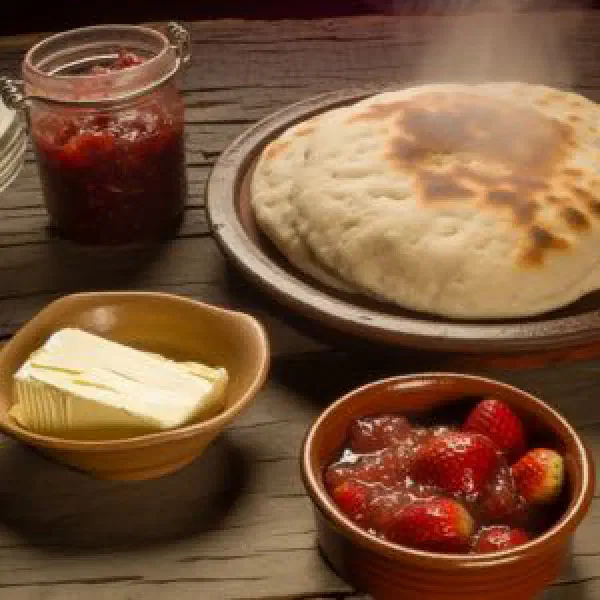
Phaphatha is one of the staple foods of Botswana, made from a straightforward dough of wheat flour, water and a pinch of salt. Traditionally it is cooked in a flat, round shape, which makes it an ideal companion to all manner of dishes. The method is refreshingly uncomplicated and easy to adjust to whatever you fancy or happen to have in the cupboard. Many families across Botswana have their own secrets and variations for making phaphatha, handed down lovingly from one generation to the next.
Ingredients (serves 1–2)
- 1 cup wheat flour
- 1/2 cup water (as needed)
- 1 pinch of salt
- Oil, for frying
Shopping for the ingredients
The ingredients for phaphatha are easy to find in most supermarkets. The most important element is wheat flour, which forms the base of the dough. If you are after fresh ingredients, it is worth visiting a local market near you. There you may well find good-quality flour and other essentials that help you build an authentic flavour.
Preparing the dish
Before you start making phaphatha, it helps to have all your ingredients and tools ready. You will need a bowl for the dough, a round griddle or flat frying pan for cooking, and a rolling pin to roll out the dough. Begin by tipping the flour into the bowl and mixing it with a pinch of salt. Add the water little by little to work the mixture into a smooth dough that is not too sticky.
Step-by-step instructions
- Combine the flour and salt in a bowl.
- Add water gradually until a smooth dough comes together.
- Knead the dough well and let it rest for 10 minutes.
- Roll the dough out on a lightly floured surface.
- Fry both sides golden brown in a hot pan with a little oil.
- Serve warm and enjoy with stews or vegetables as you like.
Gluten-free / lactose-free version
If you would like to make a gluten-free version of phaphatha, you can use an alternative flour such as rice or almond flour. Take care to keep the dough at the right consistency by adjusting the amount of liquid you add. Making it lactose-free is simple, as the recipe contains no dairy at all. This makes phaphatha a versatile option that adapts easily to a range of dietary needs.
Tips for vegans and vegetarians
Phaphatha is naturally vegan and contains no animal products whatsoever, which also makes it a brilliant choice for vegetarians. To add extra flavour you can work spices or herbs into the dough, such as garlic powder or dried oregano. These small tweaks make the bread tastier and lend themselves to all sorts of different recipes.
More tips and tricks
One key tip when making phaphatha is to make sure your pan is properly hot before you add the dough. This helps it brown evenly and develop a lovely texture. If you like, you can use a touch more oil to achieve a crisp edge.
Adapting the recipe to your taste
Phaphatha is easy to tailor to your own preferences. Add herbs or spices, for example, to create different flavours, much as you would when seasoning a hearty Groundnut Stew. You can also vary the size and thickness of the dough to make either thinner or thicker flatbreads. These adjustments make phaphatha a flexible dish that works beautifully for all kinds of occasions.
Ingredient substitutions
If you do not have every ingredient to hand, there are plenty of alternatives you can turn to. Instead of wheat flour, you could try maize flour or chickpea flour, for instance. These alternatives give the bread a different texture and flavour. Bear in mind that adding spices can deepen the aromas further and lead to a truly delicious result.
Drink pairing ideas
To round off the phaphatha experience, it is worth considering a few traditional drinks. Sorghum beer or hibiscus tea are popular choices that go well with the heartier flavours of stews. Fruit juices such as mango or pineapple also offer a refreshing counterpoint to the warm flatbreads. Drinks like these bring a new dimension to your meal and round the whole thing off nicely.
Serving and presentation ideas
Presenting your phaphatha well can lift the whole culinary experience. Serve the flatbreads on an attractive plate and garnish them with a little fresh coriander or parsley. Alongside, you might offer small bowls of stew and a selection of sides such as avocado or tomato salad. An inviting presentation whets the appetite and makes for a memorable meal.
A bit of history
Phaphatha has a long history within the culture and traditions of Botswana. It has always been a staple food, linked with a range of ingredients and cooking methods. The simplicity and versatility of the bread make it an indispensable part of the daily diet, much like the porridges and grains found across Botswana cuisine. Phaphatha has evolved over the centuries yet remains a firm favourite among locals and a symbol of a shared cultural heritage.
More recipe ideas
Summary: Phaphatha
Phaphatha is more than just a simple side; it represents the cultural identity of Botswana and offers a delicious way to experience African cooking. Its quick, uncomplicated preparation means anyone can enjoy this traditional bread. With its versatility, phaphatha pairs happily with a wide range of dishes, making it an excellent choice for any meal. Give it a go yourself and bring a little piece of Botswana into your own kitchen.