National Dish Botswana: Seswaa with Bogobe (Recipe)
In this article
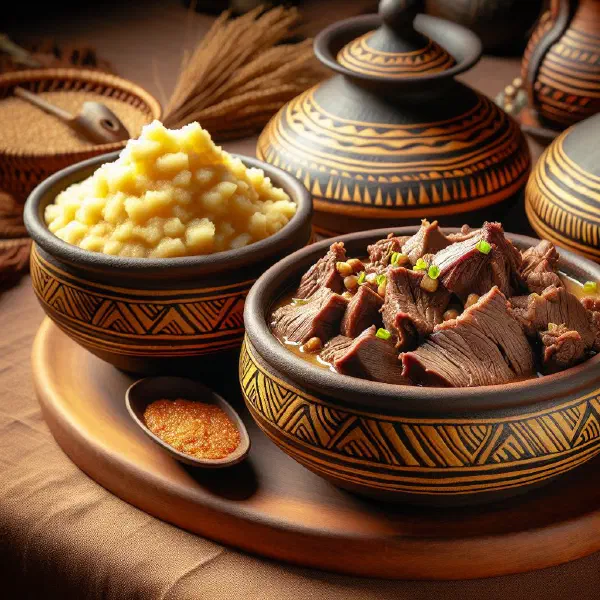
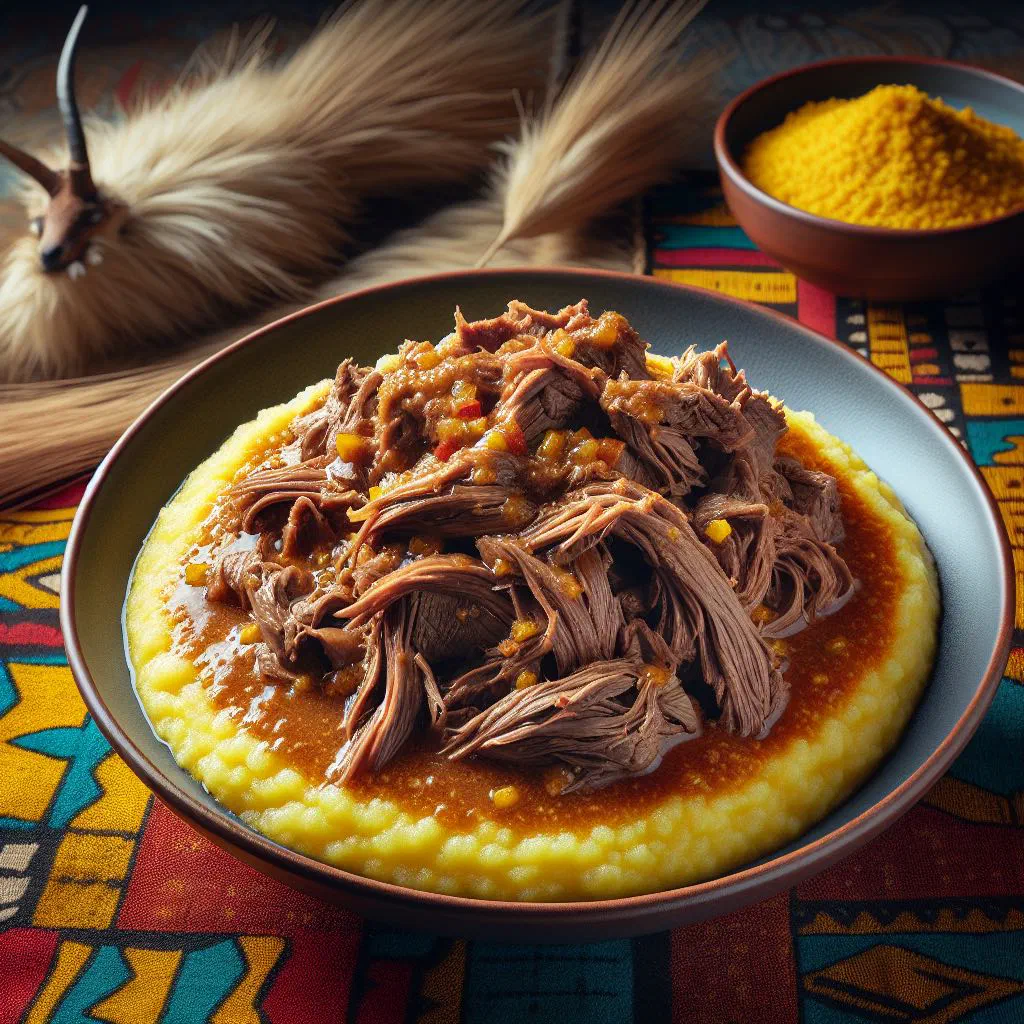
Meet Seswaa with Bogobe, the pride of Botswana’s kitchens and a dish reserved for the country’s most joyful gatherings. Tender beef is simmered low and slow until it falls apart at the touch of a fork, then paired with bogobe, a smooth, comforting maize porridge. Together they strike a beautiful balance of savoury richness and gentle, mellow warmth. This is honest, hearty food that brings people to the table, bring a taste of Botswana straight into your own home.
About Seswaa with Bogobe
Seswaa is a traditional dish from Botswana, celebrated above all for its tender texture and deep, satisfying flavour. It consists of slow-cooked beef, usually prepared with a handful of seasonings and a little stock. This gentle method of cooking leaves the meat wonderfully juicy and full of flavour. Paired with bogobe, a fine maize porridge, the result is a harmonious marriage of taste and texture that appeals to every food lover, a true cornerstone of Botswana cuisine.
Ingredients (serves 1–2)
- 500 g beef (shoulder or leg)
- 1 onion, diced
- 2 cloves garlic, chopped
- 1 teaspoon salt
- 1 teaspoon black pepper
- 1 teaspoon paprika
- Water (for cooking)
- 1 cup maize meal (for bogobe)
- 2 cups water (for bogobe)
Shopping for the ingredients
When shopping for the ingredients for seswaa, the quality of the meat really matters. Pick up fresh beef from a trusted butcher or supermarket so your dish has the best possible foundation. The onions and garlic should be fresh and aromatic too. Make sure the maize meal for the bogobe is of good quality, as this is key to achieving the ideal flavour and a pleasingly smooth consistency.
Preparing the dish
Preparing seswaa begins with cutting the beef into evenly sized pieces that lend themselves well to slow cooking. Prepare and set aside the onions and garlic too, so the cooking process moves along smoothly. The water needed for cooking the meat can be heated in a pot ahead of time. It also helps to measure the maize meal for the bogobe into a bowl, ready to work with quickly later on.
Step-by-step instructions
- Place the beef in a large pot with the onions, garlic, salt, pepper and paprika.
- Add enough water to cover the meat and bring to the boil.
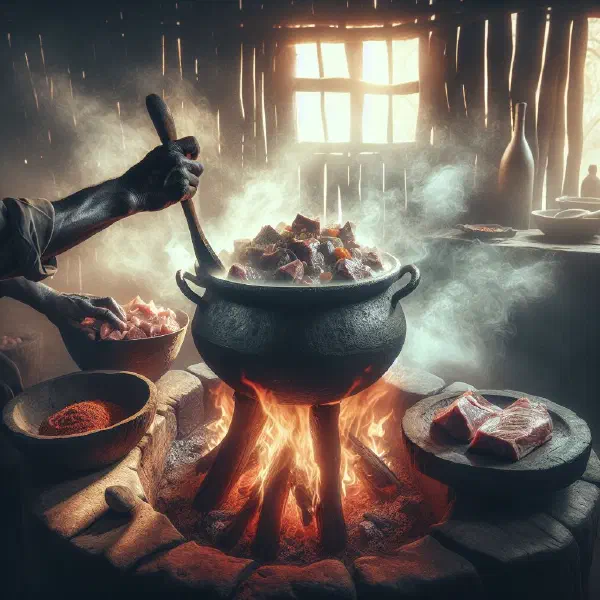
- Reduce the heat and let the meat simmer for at least 2–3 hours, until it is tender.
- While the meat cooks, stir the maize meal into 2 cups of boiling water, stirring constantly, to make the bogobe.
- Keep stirring the bogobe until it reaches a creamy consistency, adding a splash more water if needed.
- Once the meat is tender, remove it from the heat and pound or coarsely shred it.
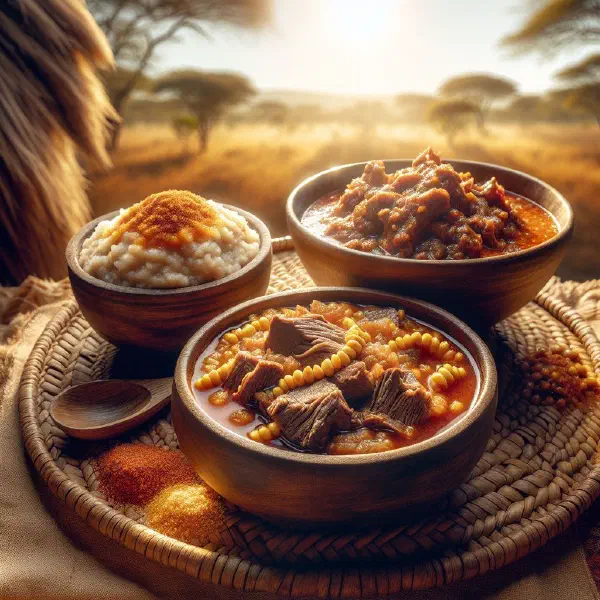
- Arrange the seswaa on plates alongside a generous serving of bogobe.
Gluten-free / lactose-free version
Both seswaa and bogobe are naturally gluten-free and lactose-free, provided you make sure your maize meal contains no additives. These qualities make the dish a great option for anyone with a gluten intolerance or lactose sensitivity. Simply avoid adding any extra ingredients that contain gluten or lactose. That way the dish stays pure and unadulterated, and everyone can enjoy it.
Tips for vegans and vegetarians
Although seswaa is traditionally made with beef, there are plenty of ways for vegans and vegetarians to adapt it. In place of beef you can use seitan, tofu or even jackfruit to achieve a similar texture. Be sure to keep the seasonings and aromatics so you preserve the distinctive flavour of seswaa. Preparing the bogobe with plant-based milk or vegetable stock can also lend these versions a lovely extra depth.
More tips and tricks
A few tips can help you perfect your seswaa. Experiment with different spices to tune the flavour to your own liking. Marinating the meat overnight allows the aromas to develop more intensely. It is also worth cooking the dish in larger batches, as seswaa often tastes even better when reheated the following day.
Adapting the recipe to your taste
Adapting this recipe to your own preferences is easy. Add seasonal vegetables or leafy greens to bring extra nutrients and colour to the dish. Experimenting with different cuts of meat or vegetarian alternatives is another interesting way to vary it. Be creative with the sides too, instead of bogobe you might serve quinoa or rice, much as you would alongside a bowl of Samp and Beans.
Ingredient substitutions
If you do not have particular ingredients to hand, there is no need to worry. Ordinary beef, for example, can be replaced with chicken or even lamb, in the spirit of a hearty Goat Stew. There are alternatives to the maize meal too: polenta or millet can be used in much the same way, though the flavour will vary slightly. Just make sure any substitutes are similar in preparation and cooking time to get a good result.
Drink pairing ideas
To round off the flavours of seswaa and bogobe, the right drink makes a wonderful addition. A fresh, unsweetened hibiscus tea pairs beautifully with the savoury notes. Alternatively, a local beer or a glass of grape wine complements the food nicely. If you prefer something alcohol-free, a fruity lemonade is a refreshing option too.
Serving and presentation ideas
The presentation of seswaa and bogobe can whet your guests’ appetites. Serve the dish in a rustic bowl and garnish it with fresh herbs such as coriander or parsley. Colourful sides like salted beans or fried vegetables can lighten the plate, much as they would with a helping of Morogo Wa Dinawa. Consider arranging the dish on a wooden platter or with traditional decorative touches to make the experience feel authentic.
A bit of history
Seswaa has a history in Botswana’s culture and is often served at feasts and special occasions. Its preparation is a festive tradition that celebrates flavour and community. In many parts of the country it is customary to cook large quantities of seswaa for special events, feeding friends and family alike. This underlines the importance of hospitality and togetherness in Botswanan culture.
More recipe ideas
Summary: Seswaa with Bogobe
In summary, seswaa and bogobe shine when it comes to flavour and offer a deep insight into the culture of Botswana. Through slow, patient cooking and the use of quality ingredients, you can create an authentic and hearty dish. Let the tradition and the aromas inspire you, and bring a little piece of Botswana into your own kitchen. Whether for a celebratory feast or an everyday meal, seswaa is always a wonderful choice.