National Dish Brazil: Canjica (Recipe)
In this article
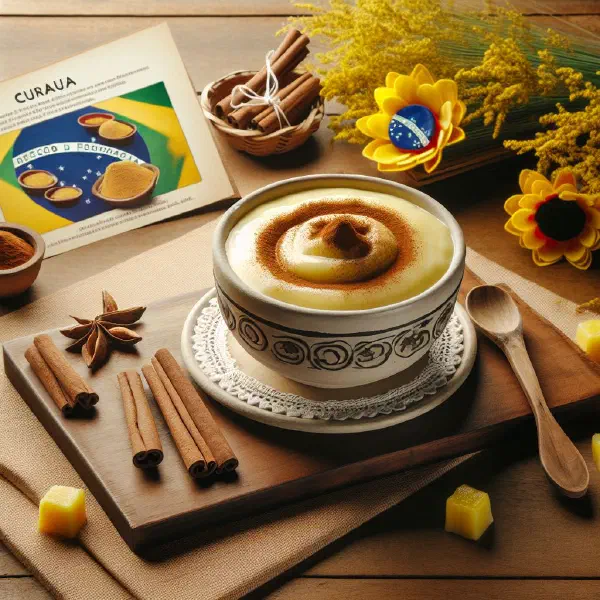
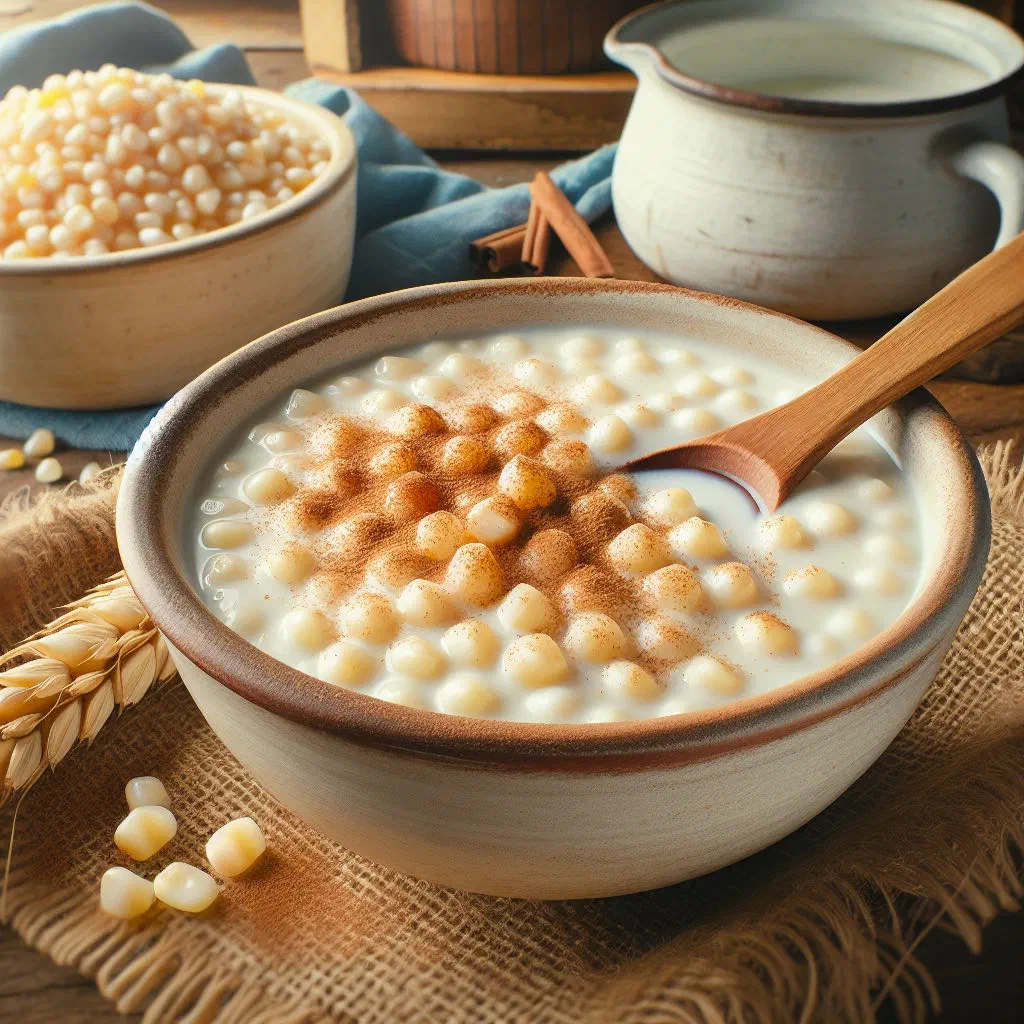
Discover Canjica, one of Brazil’s most comforting sweet treats. This creamy pudding of plump white corn kernels simmered slowly in milk, sugar and warming cinnamon is a fixture of festive tables across the country. With its silky texture and gentle, fragrant sweetness, it is the kind of dessert that brings people together, a spoonful of Brazilian culture you can make at home. Perfect for celebrations or simply as a cosy treat after dinner.
About Canjica
Canjica is a traditional Brazilian dessert made from white corn kernels. The key ingredients are milk, sugar and cinnamon, which together create a very fragrant aroma. The dish is especially popular at parties and special occasions, and its creamy texture and sweet flavour make it a real treat for anyone with a sweet tooth. Few puddings capture the warmth and generosity of Brazilian home cooking quite so well.
Ingredients (serves 1–2)
- 1 cup white corn kernels
- 1 litre milk
- 100 g sugar
- 1 teaspoon ground cinnamon
- A pinch of salt
- Optional: toasted nuts or desiccated coconut
Shopping for the ingredients
To make canjica, you will want fresh, good-quality ingredients. Make sure the white corn kernels are well preserved, as the quality of the corn is crucial to the flavour of the finished dessert. The milk should be fresh to give the pudding its full creaminess. Cinnamon and sugar are easy to find and are likely already sitting in your kitchen cupboard. White corn and other staples can also be ordered online if your local shop does not stock them.
Preparing the dish
Before you start cooking, soak the corn kernels overnight. This helps them turn tender during cooking and lets them soak up the flavours far more readily. The next day, rinse the kernels thoroughly and get everything ready so the cooking goes smoothly. Gather all your ingredients together on the worktop so you can keep track of things and avoid leaving anything out.
Step-by-step instructions
- Tip the soaked corn kernels into a large pan and cover them with the milk.
- Bring to the boil over a medium heat, stirring now and then to stop the mixture catching.
- After around 30 minutes, add the sugar, cinnamon and a pinch of salt.
- Continue cooking for a further 15–20 minutes, until the mixture turns thick and creamy.
- Optional: scatter with toasted nuts or desiccated coconut just before serving.
Gluten-free / lactose-free version
Canjica is naturally gluten-free, as its main ingredient is corn. For a lactose-free version, reach for a plant-based milk such as almond drink or oat milk. These alternatives keep the dessert beautifully creamy and make it ideal for anyone with a lactose intolerance. Just check that the sugar and any extra ingredients you use are gluten- and lactose-free as well.
Tips for vegans and vegetarians
Because canjica is such a versatile dessert, it adapts easily for vegans. Simply use a plant-based milk and, if you like, a plant-based sweetener to reach the level of sweetness you want. Maple syrup or coconut sugar also work well and bring an extra layer of flavour. That way everyone can enjoy this delicious Brazilian speciality, whatever their dietary preferences.
More tips and tricks
One important tip when making canjica is to stir it constantly as it cooks. This keeps the mixture from catching and helps the corn kernels cook through evenly. Feel free to experiment with different spices to tune the flavour to your liking. How about a pinch of vanilla, for instance, to add a little extra depth and complexity?
Adapting the recipe to your taste
Canjica is easy to adjust to personal preference. You can increase or reduce the amount of sugar to suit your taste. You might also add fresh fruit such as bananas or mangoes to give the dessert a fruity twist. Tweaks like these make the dish tastier and more varied. For another fruit-forward Brazilian treat, take a look at Açaí na Tigela.
Ingredient substitutions
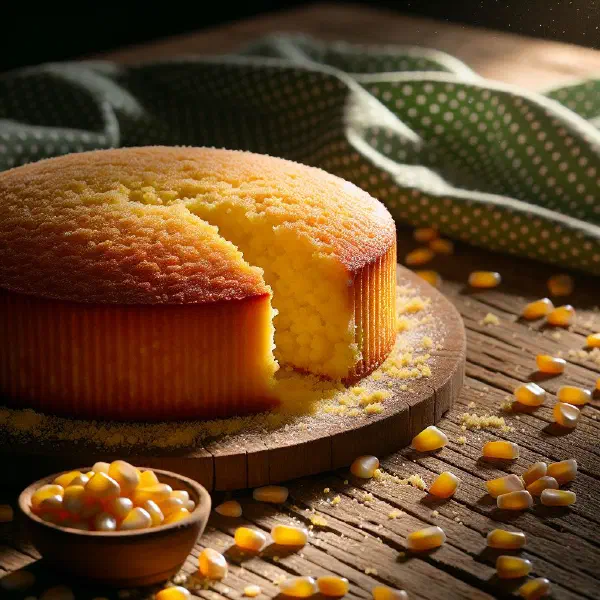
If you would rather not use milk, there are plenty of alternatives to choose from. Alongside plant-based milks, you can use cream or yoghurt for a different consistency and flavour. There are also several sweeteners that can replace the sugar, such as stevia or agave syrup, both of which work in harmony with the corn. Experiment until you find the blend that is perfect for you, the same spirit of adaptation that makes Bolo de Fubá so easy to love.
Drink pairing ideas
A light drink is the perfect partner for a sweet dessert like canjica. How about a fruity iced tea or a refreshing mint water? These would set off the sweetness of the canjica beautifully without overwhelming it. A coconut-based drink or a simple coffee can also be the ideal companion to this pudding.
Serving and presentation ideas
Presentation can make all the difference to a first impression. Serve the canjica in elegant glasses or bowls and garnish with fresh fruit or nuts for a lovely contrast. A dusting of cinnamon on top adds extra charm. Little touches like these make your canjica delicious and a treat for the eyes.
A bit of history
Canjica has a long tradition in Brazil and is closely linked with the festivities of Festa Junina. This celebration marks the harvest season and brings families and friends together to enjoy Brazilian food. The roots of canjica lie in rural Brazil, where the combination of corn and milk gave rise to a wonderfully flavourful pairing. Today it is a symbol of Brazilian culture, served in countless variations and standing proudly alongside other classics of Brazilian cuisine.
More recipe ideas
Summary: Canjica
In short, canjica is a traditional Brazilian dessert and a dish full of possibilities for adaptation. It is creamy, sweet and wonderfully simple to make. Experiment with different ingredients to shape it to your own taste, and surprise your friends and family with this piece of Brazilian culture. Enjoy it at festive occasions or simply as a sweet reward at the end of the day.