National Dish Brazil: Cuscuz Paulista (Recipe)
In this article
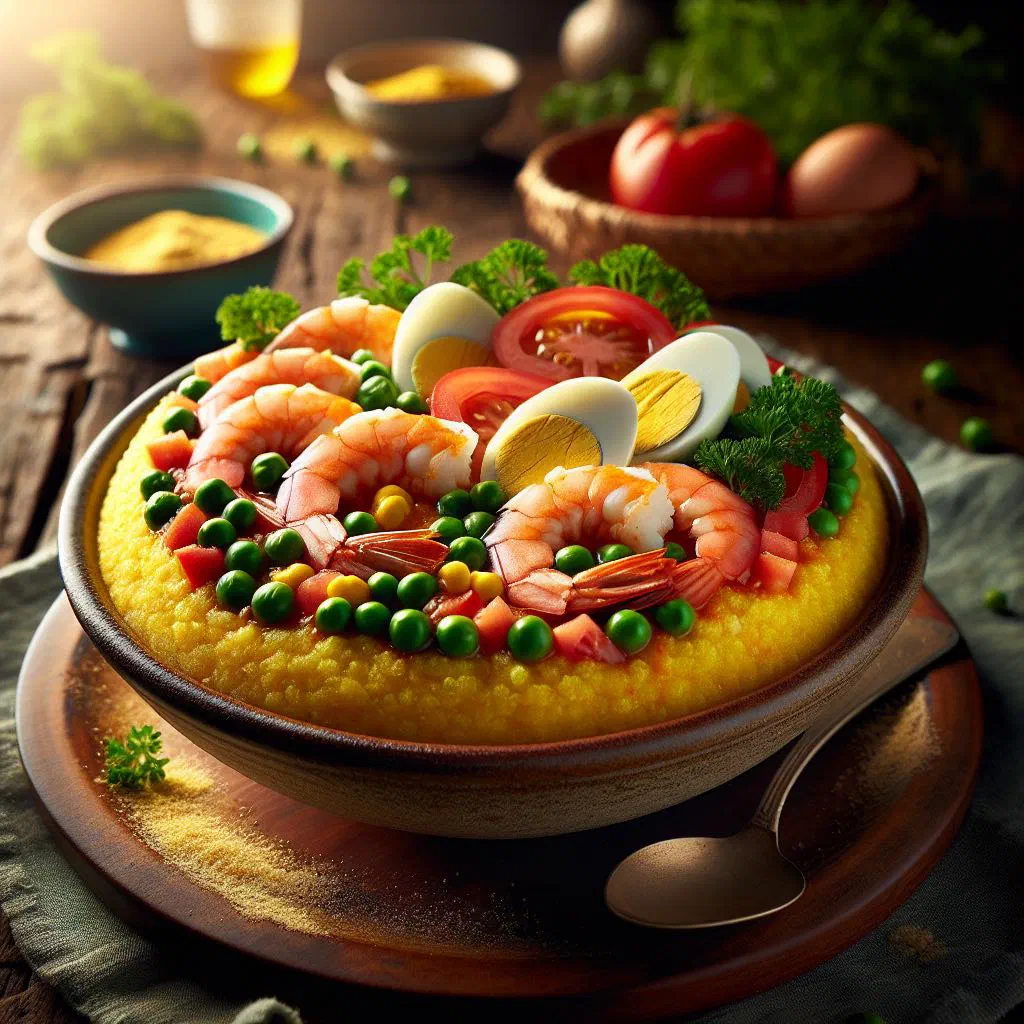
Say hello to Cuscuz Paulista, a colourful celebration of Brazilian home cooking from the state of São Paulo. Built around moist cornmeal and a medley of fresh vegetables, herbs and gentle spices, it is the kind of dish that turns up at family gatherings and festive tables alike. Equal parts hearty and bright, it brings real warmth to the plate, a genuine feast for the senses that is far easier to make than its showstopping looks suggest.
About Cuscuz Paulista
Cuscuz Paulista is one of the most cherished dishes in Brazilian cooking and a true traditional recipe. It is made from cornmeal and brings together a wealth of flavours drawn from fresh vegetables, herbs and well-judged seasonings. The dish has its origins in the São Paulo region and is loved by locals and visitors alike.
Ingredients (serves 1–2)
- 1 cup cornmeal
- 2 cups vegetable stock
- 1 red pepper, diced
- 1 courgette, diced
- 2 tomatoes, deseeded and diced
- 1 onion, finely chopped
- 2 cloves garlic, chopped
- Fresh herbs (such as basil or parsley)
- Salt and pepper to taste
Shopping for the ingredients
Shopping for Cuscuz Paulista is refreshingly straightforward. Most of what you need can be found in a regular supermarket or at a local farmers’ market. When choosing fresh vegetables, look for quality and freshness, as this has a real impact on the finished flavour. The herbs can vary too; fresh, locally grown ones lend the cuscuz a particularly bright note. If you enjoy this kind of corn-based cooking, the cornmeal aisle will also set you up nicely for a comforting Canjiquinha.
Preparing the dish
Good preparation is essential when making Cuscuz Paulista. Begin by washing the vegetables and cutting them into small dice. The onion and garlic should be prepared too, finely chopped and ready to go. Getting everything in order ahead of time makes the cooking that follows far simpler and ensures all the ingredients cook through evenly.
Step-by-step instructions
- Heat a little oil in a pan and sauté the onion together with the garlic until translucent.
- Add the diced vegetables and fry for around 5–7 minutes.
- Pour in the vegetable stock and bring to the boil.
- Stir in the cornmeal, stirring constantly, until you have a smooth, even mixture.
- Add the herbs, salt and pepper and mix well.
- Spoon the mixture into a greased mould and leave to cool until firm.
Gluten-free / lactose-free version
Cuscuz Paulista is naturally gluten-free, since it is based on cornmeal. To keep the dish lactose-free as well, simply use a vegetable stock that contains no dairy. Many shop-bought stocks are already lactose-free, but it is always worth checking the ingredient list. That way you can enjoy this celebratory dish with complete peace of mind, even if you have intolerances.
Tips for vegans and vegetarians
Cuscuz Paulista is perfectly suited to vegan and vegetarian diets. Just make sure the vegetable stock you use contains no animal products. You can also stir in extra vegetables or pulses such as chickpeas or black beans to make the dish even more nourishing. Experiment with different vegetables or seasonings to adapt it to your own taste.
More tips and tricks
To deepen the flavour of Cuscuz Paulista, try adding smoked paprika or a touch of chilli for a subtle warmth. Another good trick is to let the finished dish rest in the fridge for a few hours before serving. This allows the flavours to develop and gives a firmer set. Serve it with a refreshing dip or sauce to add an extra dimension to the plate.
Adapting the recipe to your taste
One of the great joys of Cuscuz Paulista is its versatility. You can tailor the recipe entirely to your own preferences by swapping in different vegetables or seasonings. If there is a particular vegetable you love, simply add it or use it in place of another. A change of fresh herbs can make a noticeable difference to the flavour too.
Ingredient substitutions
If you do not have a particular ingredient to hand, there is always an alternative. Should you run out of fresh herbs, for example, dried herbs or an herb blend will do the job. The vegetables can be chosen according to the season too, much as you might do for a hearty Caldo Verde.
Drink pairing ideas
Plenty of drinks go beautifully with Cuscuz Paulista. A fresh cocktail of lime and mint makes a wonderfully refreshing companion. Alternatively, a lightly sparkling white wine harmonises very well with the flavours of the dish. For an alcohol-free option, homemade lemonade or a fruity iced tea is ideal.
Serving and presentation ideas
Presentation can add a great deal to the enjoyment of Cuscuz Paulista. Serve the dish on a colourful plate and garnish it with fresh herbs or a slice of lemon. Interesting vessels, such as small bowls or glasses, can show the dish off attractively. Scatter a few colourful vegetable dice around the plate to make it even more appealing to the eye.
A bit of history
Cuscuz Paulista has its roots in Brazil’s coastal regions, where the tradition of couscous is woven into the shared food culture. Originally shaped by indigenous peoples and later by African immigrants, the recipe has evolved over the years. Today it is often seen as a reflection of Brazil’s cultural diversity and culinary inventiveness, a fine example of how a wide range of ingredients and flavours can come together in one harmonious dish, and a proud part of Brazilian cuisine.
More recipe ideas
Summary: Cuscuz Paulista
In short, Cuscuz Paulista is a tasty and versatile dish that is easy to adapt. It offers an abundance of flavours and textures, working just as well as a main course as it does as a side. This recipe brings a slice of Brazilian culture into your kitchen. Experiment with the ingredients and add your own personal touch to this delicious dish.