National Dish Brazil: Farinha de Mandioca (Recipe)
In this article
Meet Farinha de Mandioca, the humble cassava flour that runs right through the heart of Brazilian cooking. Toasted, golden and wonderfully versatile, it turns up everywhere from everyday side dishes to hearty bakes, lending a nutty crunch and a gentle savoury depth. Naturally gluten-free and easy to work with, it is the kind of pantry staple that quietly makes a meal feel complete. Here is how to use it to bring authentic Brazilian flavour to your own table.
About Farinha de Mandioca
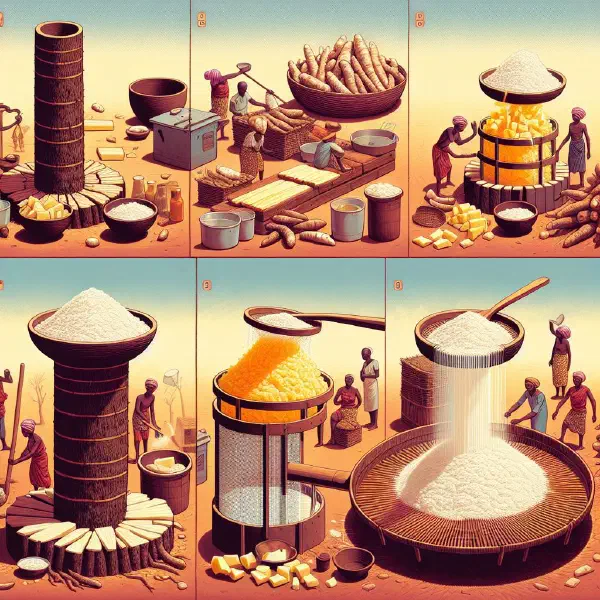
Farinha de Mandioca, also known as cassava flour, is an indispensable part of Brazilian cuisine. Made from the root of the cassava plant, this versatile flour offers a rich source of nutrients and a satisfying texture. It is gluten-free, which makes it an excellent choice for anyone with a gluten intolerance. Its use across so many dishes, from simple sides to hearty savoury bakes, has made it a much-loved building block in countless Brazilian recipes.
Ingredients (serves 1–2)
- 200 g farinha de mandioca
- 500 ml water
- 1 teaspoon salt
- 2 tablespoons oil or butter
- Fresh herbs of your choice
Shopping for the ingredients
When shopping for the ingredients for farinha de mandioca, it is worth paying attention to quality. The cassava flour should be fresh and of a good grade to achieve the best aroma and texture. Many Asian or South American grocers stock farinha de mandioca, and it can often be found in larger supermarkets too. Fresh herbs can be picked from a local garden or market to deepen the flavour even further.
Preparing the dish
Make sure all your ingredients are weighed out and ready to hand before you begin. It also helps to measure the water in advance and have it standing by in a pan. This kind of preparation speeds things up and lets the whole process come together without fuss.
Step-by-step instructions
- Bring the water to the boil in a pan and add the salt.
- Slowly scatter the farinha de mandioca into the boiling water, stirring constantly to avoid lumps.
- Reduce the heat and keep stirring until the mixture reaches a thick, even consistency.
- Add the oil or butter and combine well, then stir through fresh herbs to taste.
- Pour the mixture into a lightly oiled dish and leave it to cool until it sets firm.
Gluten-free / lactose-free version
Farinha de mandioca is naturally gluten-free, which makes it a superb choice for anyone with coeliac disease or a gluten intolerance. For a lactose-free result, simply use plant-based oils or plant-based margarine in place of butter, so the dish suits every diet. Paired with other gluten-free ingredients, farinha de mandioca stays both versatile and full of flavour.
Tips for vegans and vegetarians
For vegans, the recipe adapts easily by swapping any animal products for plant-based alternatives. Instead of butter, reach for coconut oil or another vegan margarine. Keep an eye on any fillings or accompaniments too; many Brazilian dishes take beautifully to vegetables or pulses, much like the meat-free spirit behind a Cuscuz. With a little creativity you can build different flavours and textures to suit you.
More tips and tricks
There are a few handy tips that lift the results when cooking with farinha de mandioca. Toasting the flour lightly beforehand, for instance, draws out a deeper, nuttier aroma. Adding spices such as paprika, cumin or a crumbled stock cube can broaden the flavour too. Experiment with different herbs to add a personal touch all your own.
Adapting the recipe to your taste
Beyond the classic version, you can tailor farinha de mandioca to your personal preferences. Stir in chopped vegetables or pulses, for example, to make the dish more nutritious. The consistency is adjustable as well, some prefer a softer, creamier texture, while others favour a firmer set. Let your imagination run free and enjoy the sheer variety on offer.
Ingredient substitutions
If you do not have all the listed ingredients to hand, there are a few alternatives you can turn to. In place of farinha de mandioca you might try rice flour or cornmeal to achieve similar textures, the same cornmeal that gives a Broa de Milho its character. Changing the liquid, from water to vegetable stock, can also bring a different note to the dish.
Drink pairing ideas
A range of drinks pairs wonderfully with a dish made from farinha de mandioca. A refreshing caipirinha or a fruit smoothie based on pineapple or mango complements the flavours perfectly. A chilled glass of beer, such as a light lager, also sits well alongside the dish’s savoury notes. Experiment with different pairings to find your ideal accompaniment.
Serving and presentation ideas
Presentation can make a big difference to that all-important first impression. Serve the farinha de mandioca on colourful, patterned plates to make the dish stand out. Garnish with fresh herbs or edible flowers for visual appeal. A few slices of avocado or tomato on the side add a lovely splash of colour and extra nutrients too.
A bit of history
The use of farinha de mandioca has deep roots in Brazilian culture. The cassava plant is a staple crop that has been cultivated by Indigenous peoples for centuries. In Brazil it is used for baking and in traditional dishes such as Farofa and Beijinho. The flour’s enduring popularity reflects the cultural richness and the many different methods of preparation found across this corner of Brazilian cuisine.
More recipe ideas
Summary: Farinha de Mandioca
Farinha de Mandioca is far more than a simple flour; it is a versatile cornerstone of Brazilian cuisine that can enrich any number of dishes. With very little effort you can prepare and adapt it at home. Whether gluten-free, vegan or simply made for the love of good food, the options are all but endless. Let it inspire you and discover the delicious flavours that farinha de mandioca has to offer.