National Dish Brazil: Sarapatel (Recipe)
In this article
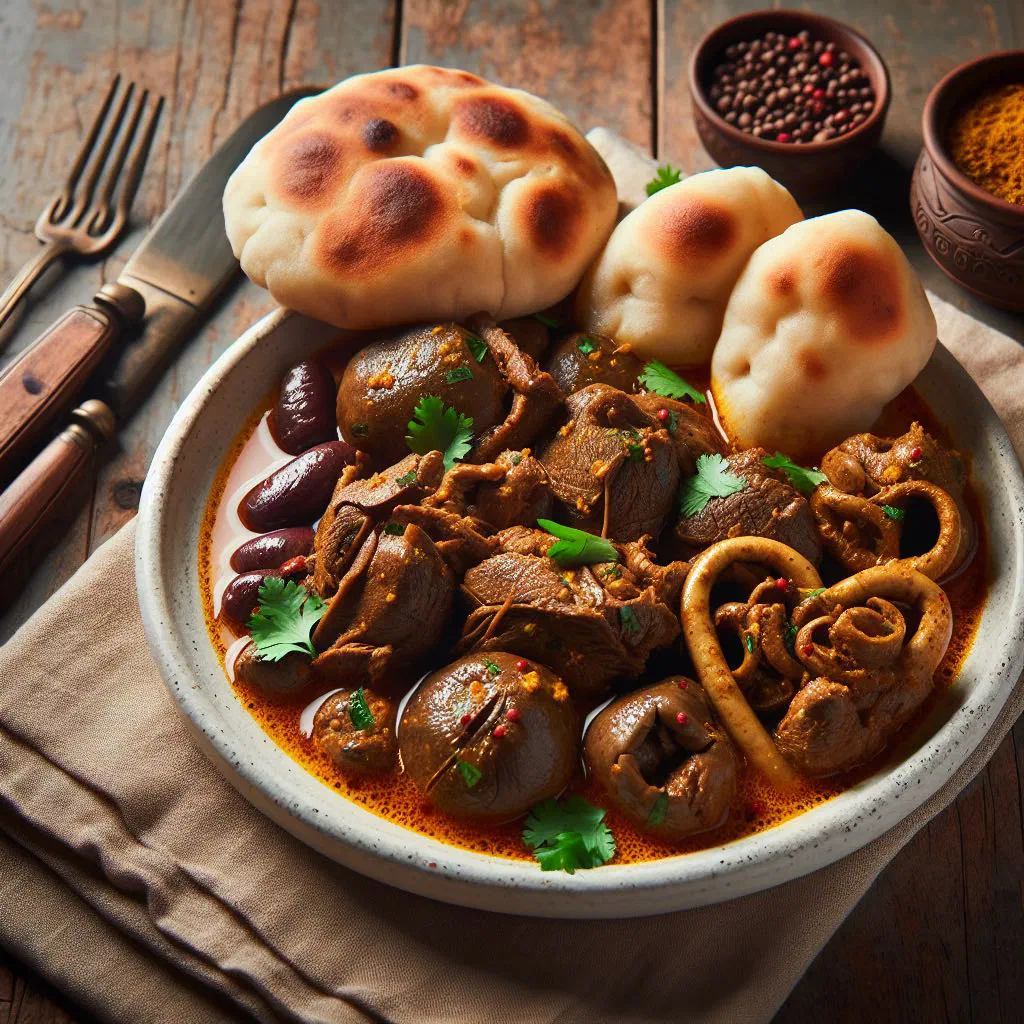
Meet Sarapatel, a deeply savoury stew that captures the soul of north-eastern Brazil. Built on tender pieces of meat slow-simmered in an aromatic sauce, it carries the kind of bold, lingering flavour that only patient cooking can deliver. With roots reaching back to the Portuguese table, this is a dish made for gatherings, equally at home at a festive celebration or a relaxed Sunday lunch with family and friends. Bring a little Brazilian warmth straight to your own kitchen.
About Sarapatel
Sarapatel is a traditional Brazilian dish whose origins lie in Portuguese cuisine. It is especially beloved across the north-eastern regions of Brazil, where it is prized for its intense aromas and meltingly tender pieces of meat. Sarapatel brings a real sense of Brazilian joie de vivre to the table.
Ingredients (serves 1–2)
- 400 g pork or beef
- 200 g offal (such as liver and heart)
- 1 onion
- 2 cloves of garlic
- 2–3 bay leaves
- 1 tsp paprika
- 1 tsp ground cumin
- Salt and pepper, to taste
- Olive oil, for frying
- Water or stock
Shopping for the ingredients
To make sarapatel, it is worth jotting down everything you need on a shopping list before you set out. A local market or a butcher offering fresh offal and quality meat is the best place to look, as the freshness of these cuts makes all the difference. Be sure your spices are fresh too, since they have a decisive effect on the final flavour. Choosing sustainable, regional produce is not only tastier. It also supports the environment and local farmers.
Preparing the dish
Begin by cutting the meat and offal into even pieces so they cook through at the same rate. Finely chop the onion and garlic so they release their aromas fully as they fry. It also helps to have all your spices measured out and ready before you start cooking, keeping the whole process smooth and unhurried.
Step-by-step instructions
- Heat the olive oil in a large pot.
- Add the chopped onion and garlic and fry until golden.
- Add the cut meat and offal and brown everything lightly.
- Season with paprika, cumin, salt and pepper.
- Pour in enough water or stock to cover the meat, then add the bay leaves.
- Let the dish simmer gently over low heat for around 1–2 hours, until the meat is tender.
- Remove the bay leaves and serve the sarapatel hot.
Gluten-free / lactose-free version
The good news for anyone with a gluten or lactose intolerance is that sarapatel is naturally free of both. As long as you make sure none of your ingredients contains hidden gluten or lactose, you can enjoy the dish without a second thought. Pay particular attention to the ingredient list on any stocks or pre-prepared products you use, as these are the usual culprits.
Tips for vegans and vegetarians
Although sarapatel is traditionally a meat dish, vegans and vegetarians can still create something inventive and delicious from it. One approach is to use plant-based alternatives such as tofu or seitan to mimic the texture. The spices and aromatics can stay exactly as they are, keeping the dish bold and full of character. The result is a meat-free version that is every bit as satisfying while still delivering that exciting sarapatel flavour.
More tips and tricks
A few extra touches will help you get the very best from your sarapatel. Marinating the meat and offal before cooking, for example, can intensify the flavours beautifully. A splash of vinegar or lemon juice also lifts the dish and adds brightness. The choice of side is important too, rice or polenta rounds it out perfectly and turns it into a complete, hearty meal, much like the comforting Vaca Atolada.
Adapting the recipe to your taste
One of the great strengths of sarapatel is how flexible the recipe is. Depending on personal preference, you can use different cuts of meat and offal. The spicing can be adjusted too, so you can build a hotter or milder version to suit your palate. Let your creativity off the leash and try different combinations until you arrive at the perfect dish for your own taste, the same spirit of experimentation that shines in a rich Rabada.
Ingredient substitutions
If some ingredients are not to hand or simply not to your liking, there are plenty of alternatives. Beef or poultry can stand in for pork, and you can experiment with different herbs and spices to give the dish a unique note. The aim is always to create something that still preserves the fundamental essence of sarapatel, whether you lean towards a leaner cut as in Galinha Caipira or something heartier like Dobradinha.
Drink pairing ideas
To round off the sarapatel experience, it is well worth thinking about drink pairings. Traditionally, a fruity caipirinha makes a superb match, offering the perfect counterpoint to the dish’s spicy, savoury depth. For a non-alcoholic option, a refreshing mint tea or a fruity juice harmonises nicely with the flavours. Bear in mind that your choice of drink can genuinely shape how you enjoy sarapatel. It is worth a little thought.
Serving and presentation ideas
Presentation plays an important part in serving sarapatel well. Bring the dish to the table in a generous, attractive bowl to give it real appeal. A scattering of fresh herbs on top adds not only colour but a welcome touch of freshness. Offer sides such as rice or polenta in separate dishes to give the whole spread an inviting, welcoming look.
A bit of history
The story of sarapatel is rooted deep in Portuguese colonial history. Originally conceived as a thrifty way to make use of leftover meat and offal, it quickly found its way into Brazilian culture. In the north-eastern regions it has grown into a cherished part of the local table, often prepared during festivals and special occasions. These layered cultural influences are precisely what make it such a distinctive dish, giving rise to countless regional variations and specialities across Brazilian cuisine.
More recipe ideas
Summary: Sarapatel
All in all, sarapatel is a captivating dish that embodies the flavours and variety of Brazilian cooking. With its history and intense spicing, it is an open invitation to sociable evenings with friends and family. This dish will always be a highlight on the table. Let yourself be won over by its complex layering of aromas and enjoy a little piece of Brazil in your own home.