National Dish Brazil: Vaca Atolada (Recipe)

In this article
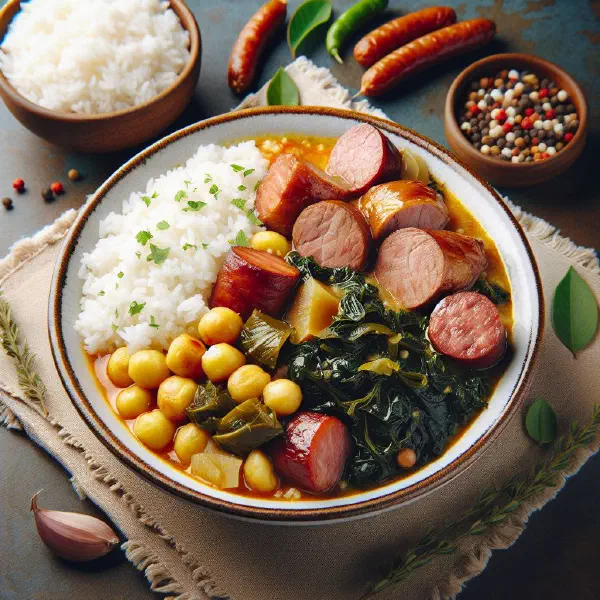
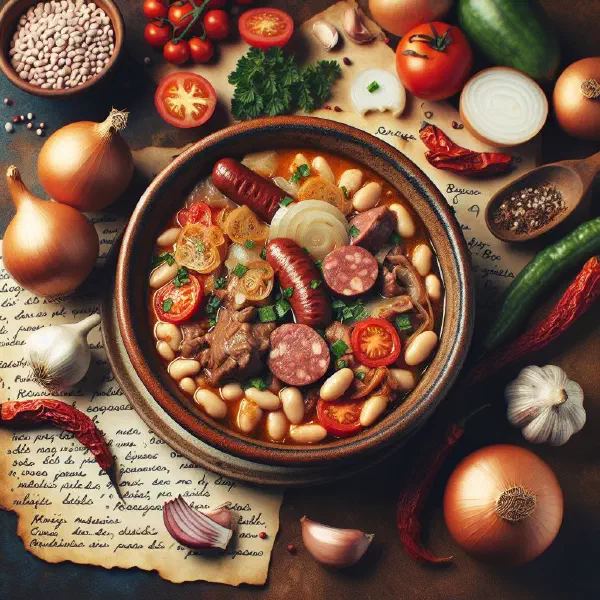
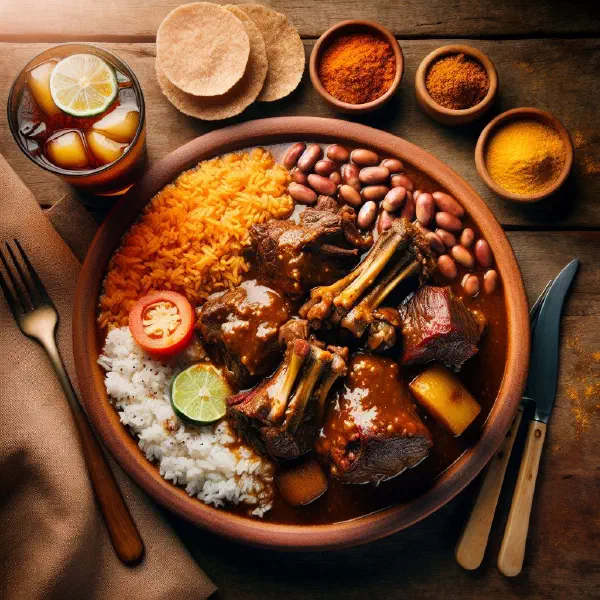
Discover Vaca Atolada, a rustic Brazilian classic that turns tender beef and starchy cassava into pure comfort in a bowl. The name means “the cow stuck in the mud”, a nod to the way the meat sits amid soft, melting chunks of root vegetable. Slow-simmered with garlic, onion and bay leaves until the sauce turns thick and creamy, this is the kind of hearty dish made for sharing. Perfect for a long, relaxed lunch with family and friends.
About Vaca Atolada
Vaca Atolada is a much-loved Brazilian dish that turns up regularly in home kitchens across the country. It wins people over with its hearty pairing of tender beef and nourishing cassava, also known as cassava root. A balanced blend of seasonings gives the dish a deep, satisfying flavour that appeals to locals and visitors alike. Ideal for sociable occasions, it brings the joyful spirit of Brazil straight to the table, and it sits proudly among the great comforting plates of Brazilian cuisine.
Ingredients (serves 1–2)
- 500 g beef (such as shoulder or brisket)
- 300 g cassava (peeled and cut into chunks)
- 1 large onion, finely chopped
- 2–3 cloves of garlic, chopped
- 1–2 bay leaves
- Olive oil, for frying
- 400 ml beef stock
- Salt and pepper, to taste
- Fresh parsley, to garnish
Shopping for the ingredients
When shopping for the ingredients for vaca atolada, it is essential to choose good-quality beef to guarantee the best flavour. Visit a local butcher or a farmers’ market for the freshest cuts. Cassava is another key ingredient and can usually be found in Asian or South American grocery shops. Make sure the cassava is fresh and unblemished so you get the very best taste from your dish.
Preparing the dish
Preparing vaca atolada begins with cutting the beef into evenly sized pieces so they cook through at the same rate. The cassava should be peeled and chopped into 4–5 cm chunks so it simmers properly in the stock. Onion and garlic are important aromatics too and should be finely chopped to release their full flavour. Get all your ingredients ready before you start cooking to keep the whole process running smoothly.
Step-by-step instructions
- Heat a little olive oil in a large pot and sauté the onion and garlic until golden brown.
- Add the beef and brown it on all sides until thoroughly seared.
- Pour in the beef stock and add the bay leaves.
- Cover the pot and let the beef simmer for around 1 to 1.5 hours, until tender.
- Add the cassava and continue cooking until it turns soft.
- Season with salt and pepper to taste and garnish with fresh parsley.
Gluten-free / lactose-free version
Vaca atolada is naturally gluten-free and lactose-free, which makes it an excellent choice for anyone with intolerances. Do, however, check that any stock and seasonings you use are also free from gluten-containing ingredients. If you react to particular spices, you can simply swap them for suitable alternatives. Otherwise the dish can be enjoyed exactly as it is, with no adjustments needed.
Tips for vegans and vegetarians
A plant-based take on vaca atolada is entirely possible for vegans and vegetarians by replacing the beef with soy protein or tempeh. Instead of beef stock, use a vegetable stock to build up the flavour. Keep an eye on the cooking time, as plant-based products tend to cook more quickly. This hearty, nourishing version brings the authentic taste of Brazilian cooking onto a fully plant-based plate.
More tips and tricks
To get the most out of vaca atolada, you can add various spices such as paprika or cumin. Experiment with vegetables like carrots or peppers, which sit well alongside the beef and cassava. To boost the creaminess, stir in a splash of coconut milk. This introduces a new layer of flavour and lends the dish a lovely, rich consistency.
Adapting the recipe to your taste
Vaca atolada is easy to adapt to personal preferences. Like it spicier? Add fresh chillies or cayenne pepper for an extra kick. For a sweeter note, a little sugar or some sweet paprika works nicely. Using fresh herbs such as coriander or thyme can also help to refine the flavours and make the dish more interesting.
Ingredient substitutions
If you cannot find cassava, the dish also works with potatoes or sweet potatoes, though the flavour will shift slightly. When it comes to the cut of meat, you could also reach for beef fillet, which is especially tender. For a vegetarian option, a combination of lentils or chickpeas makes a tasty alternative, the same hearty, filling spirit you will find in Macaxeira com Carne.
Drink pairing ideas
Both alcoholic and non-alcoholic drinks pair equally well with vaca atolada. A traditional Brazilian caipirinha is an excellent choice to complement the dish’s hearty flavour. For an alcohol-free option, freshly pressed juices or an unsweetened iced tea help to balance the aromas. Other refreshing choices, such as water with a slice of lemon, work beautifully too. It is the same easy-going spirit you might enjoy with a bowl of Caldo Verde.
Serving and presentation ideas
The presentation of vaca atolada can give your dish that special something. Serve it in a traditional Brazilian clay pot or on a rustic wooden board. A decorative garnish of fresh herbs or citrus slices brings colour and freshness. Don’t forget to arrange the side dishes thoughtfully to create an inviting, appetising spread.
A bit of history
Vaca atolada has its roots in Brazilian soul food and is a prime example of the tradition of combining local ingredients in country cooking. The use of cassava as a staple stretches back to pre-Columbian times and is a fundamental part of Brazilian food culture. The dish reflects the influences of both indigenous and European kitchens. Today vaca atolada is served in private homes and restaurants alike as a much-loved meal that showcases Brazil’s culinary diversity.
More recipe ideas
Summary: Vaca Atolada
Vaca atolada is a hearty and nourishing dish that captures the flavours of Brazil to perfection. Combining tender beef with creamy cassava, it brings together tradition and good company, making it ideal for any feast. With a few simple tweaks, anyone can add their own touch and tailor the dish to their taste. Discover Brazil’s culinary heritage with this delicious recipe.