National Dish Brunei: Ketupat (Recipe)
In this article
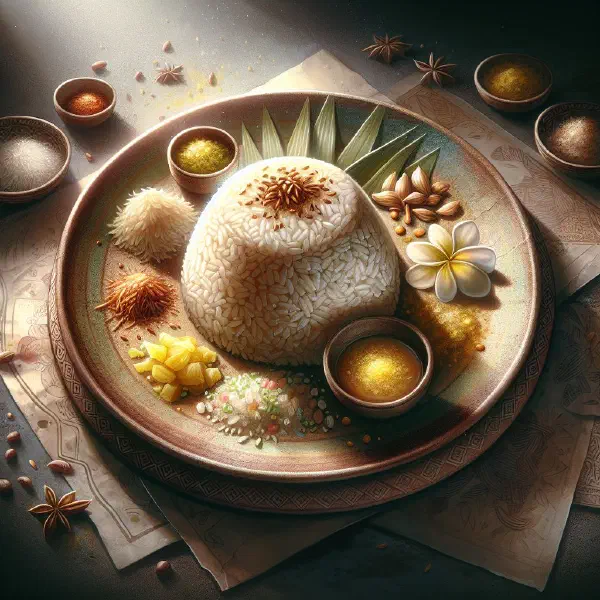
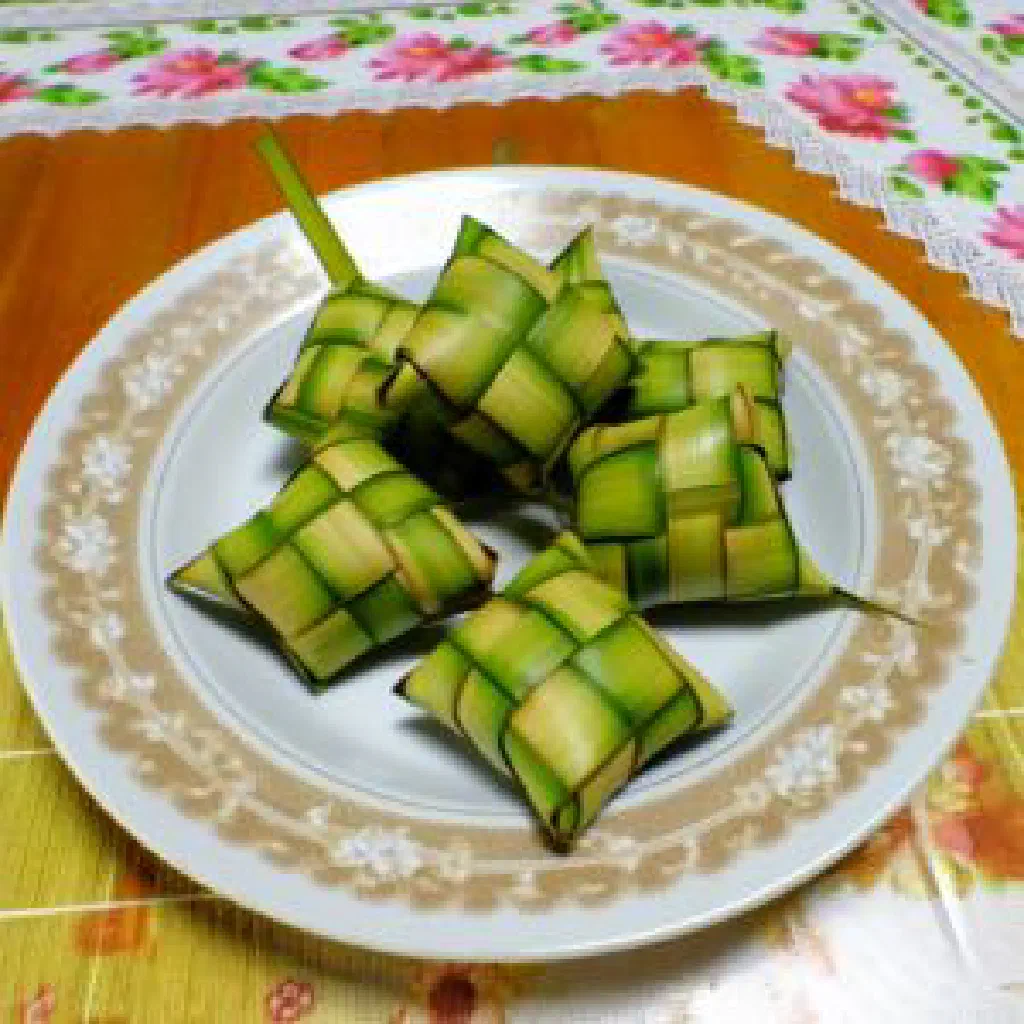
Meet Ketupat, a beautifully simple rice dish that has been part of festive tables across Brunei and much of Southeast Asia for generations. Rice is packed into intricately woven leaf pouches and slow-cooked until it turns firm and springy, ready to be sliced and served alongside rich curries. As much a feast for the eyes as for the palate, ketupat is a wonderful expression of Brunei’s warm hospitality, and easier to bring to your own kitchen than its elegant appearance suggests.
About Ketupat
Ketupat is a traditional rice dish loved not only in Brunei but throughout Southeast Asia. It consists of steamed rice packed into woven leaf pouches, and it is most often served as a side to a range of curries. The rice is slow-cooked for a long time, which gives it a wonderfully dense, springy texture. The artful folding technique used for the leaves turns the finished dish into a genuine centrepiece and reflects Brunei’s rich cultural identity.
Ingredients (serves 1–2)
- 1 cup rice
- 2 cups water
- Salt to taste
- Ketupat leaves (or banana leaves as an alternative)
Shopping for the ingredients
The ingredients for ketupat are relatively easy to find. Rice is a staple that is stocked in almost every supermarket. The special leaves used for wrapping can be bought from Asian grocery shops, where you will often also find alternatives such as banana leaves. When choosing your ingredients, look for good-quality, sticky rice, as this gives the best flavour and the firm consistency you are after.
Preparing the dish
To make sure your ketupat turns out perfectly, wash the rice thoroughly beforehand to remove excess starch. Once washed, soak the rice in water so it cooks up soft yet firm. The leaves also need preparing: soak them in water so they become supple enough to weave. These early steps matter, as they are the key to a high-quality finished dish.
Step-by-step instructions
- Drain the soaked rice and mix it with a little salt.
- Cut the leaves into strips and weave them into a small basket or pouch.
- Fill the pouches evenly with the rice and seal the ends tightly.
- Place the ketupat in a large pan of boiling water and cook for several hours.
- Once cooked, lift the ketupat out of the water and let it cool before serving.
Gluten-free / lactose-free version
Ketupat is naturally gluten-free and lactose-free, since its main ingredient is rice. Anyone avoiding gluten or lactose can enjoy it without a second thought. When choosing side dishes, though, take care to avoid any gluten-containing ingredients or lactose-based products. To round things out, opt for extra plant-based curries or fresh vegetables.
Tips for vegans and vegetarians
Ketupat is easily adapted to suit vegans and vegetarians. It is best paired with plant-based sides or sauces made from fresh vegetables or pulses. Crispy fried tofu or a spicy vegetable curry, such as a Gulai Nangka, makes an excellent match for the flavours of ketupat. That way animal products can be left out entirely without any loss of taste.
More tips and tricks
A few simple tips can help you get ketupat just right. Take care not to overcook the rice, or it will turn mushy. Water temperature matters too: keep the water at a lively, rolling boil so the heat cooks the rice evenly. Finally, a splash of coconut milk added during cooking lends the dish a creamy consistency and an extra layer of flavour.
Adapting the recipe to your taste
Ketupat is an extremely versatile dish that is easy to tailor to personal preference. You might add aromatic ingredients such as ginger or cumin to give the dish different flavour notes. The leaves, too, can be varied according to what is available and what you enjoy. Experiment with different sides to create your own personal version of ketupat.
Ingredient substitutions
If certain ingredients are hard to find, there are ways to make ketupat all the same. As an alternative you could use jasmine rice or basmati rice, both of which give a wonderfully tasty consistency. For the weaving, palm leaves or other edible leaves with similar properties work well too. This way anyone can develop their own unique take on the ketupat recipe.
Drink pairing ideas
To let the flavours of ketupat really shine, choosing the right drink is important. Freshly squeezed lime juice or coconut water pair beautifully with the dish. A cup of green tea, or a frothy local classic like Teh Tarik, or a light, fruity cocktail also make a pleasant accompaniment. These combinations keep the meal both refreshing and satisfying.
Serving and presentation ideas
Presentation can make all the difference to the overall impression of ketupat. An attractive serving platter dressed with fresh herbs such as coriander or mint adds visual appeal. Arranging the pouches in a handsome basket, or serving them with colourful sides like a bright salad, heightens the enjoyment of the dish. This way ketupat becomes not only a treat for the palate but a feast for the eyes.
A bit of history
The history of ketupat reaches far back and mirrors the cultural traditions of Brunei and beyond. It was originally served by the Malays at festive occasions and is a symbol of hospitality. Traditionally it is prepared for special holidays to bring friends and family together. This deeply rooted custom makes ketupat far more than just a dish. It is a symbol of community and togetherness within Brunei cuisine.
More recipe ideas
Summary: Ketupat
Ketupat is a unique and delicious dish that captures the rich culture and hospitality of Brunei. Making it takes patience, but the end result is well worth the effort. Ketupat is always a pleasure. Immerse yourself in the traditions and flavours of Brunei and bring a piece of this culinary heritage into your own kitchen.