National Dish Brunei: Kueh Lapis (Recipe)
In this article
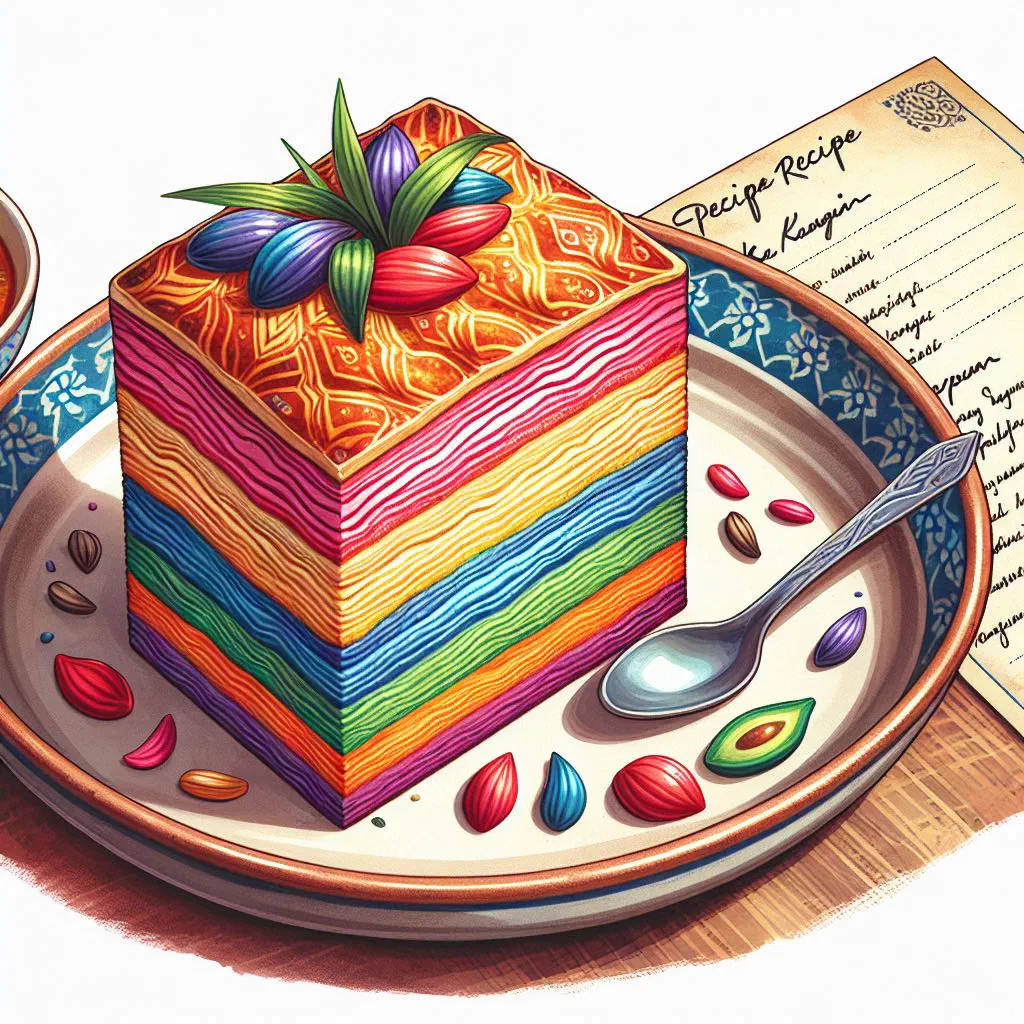
Discover Kueh Lapis, one of Brunei’s most eye-catching sweet treats. This colourful, steamed layer cake is built from just a handful of pantry staples, rice flour, coconut milk and sugar, yet the result looks utterly festive. Making it takes a little patience, as each stripe is steamed in turn, but peeling the soft, springy layers apart is half the fun. Bring a splash of Southeast Asian colour to your own table with this beloved celebration dessert.
About Kueh Lapis
Kueh Lapis is a traditional dessert from Brunei, famous for its bright, striking layers. It is made from simple ingredients such as rice flour, coconut milk and sugar, and is a symbol of the variety found in Malay cooking. The preparation calls for a little patience, but the result is well worth the effort. This dish is a treat for the palate and a real feast for the eyes on any festive table, and it sits comfortably alongside other steamed favourites in Bruneian cuisine.
Ingredients (serves 1–2)
- 200 g rice flour
- 300 ml coconut milk
- 150 g sugar
- 1 tsp vanilla extract
- Food colouring (optional)
Shopping for the ingredients
When shopping for Kueh Lapis, it is worth seeking out good-quality coconut milk, as it has a decisive influence on the flavour. Rice flour is just as easy to find and can usually be picked up in Asian supermarkets or online shops. If you like, you can use fresh ingredients to achieve a particularly flavourful result. Don’t forget to buy any food colouring you might need to create the different layers.
Preparing the dish
Before you begin, lay out all the ingredients you’ll need. This makes the whole process far easier, as you won’t be hunting for individual items mid-cook. Make sure you also have the necessary equipment to hand, such as a steaming tray or a steamer pot. Some recipes also recommend greasing these containers well to stop the cake from sticking.
Step-by-step instructions
- In a bowl, mix the rice flour, coconut milk and sugar together thoroughly until no lumps remain.
- Divide the batter evenly among several bowls and tint each one with food colouring as you like.
- Steam the layers one after another in the steamer, cooking each layer for about 10 minutes before adding the next on top.
- Lift the finished cake out of the steamer and let it cool before slicing it into pieces.
Gluten-free / lactose-free version
The lovely thing about Kueh Lapis is that it is naturally gluten-free and lactose-free, as long as you use the right ingredients. Take care to use gluten-free rice flour and plant-based coconut milk. These alternatives make the dish suitable for anyone with a food intolerance. That widens its appeal and means as many people as possible can enjoy this delicious treat.
Tips for vegans and vegetarians
Kueh Lapis is a wonderful choice for vegans and vegetarians, since the ingredients are mostly plant-based. When buying coconut milk, check that it contains no animal products. You can also swap the sugar for alternative sweeteners to create a lighter version. That keeps the recipe vegan and an excellent option for a healthier diet, much like the coconut-rich Pulut Inti.
More tips and tricks
To make sure your Kueh Lapis turns out perfectly, it is wise to preheat the steamer evenly. This ensures the cake cooks through uniformly. Line the steamer with a layer of baking paper that hangs over the sides, which stops the cake from catching at the edges. After steaming, it is important to let the cake cool completely so the layers set well and are easier to slice.
Adapting the recipe to your taste
Kueh Lapis can be tweaked to suit your personal preferences. Add different spices, for example, to give the cake a special note. Try chocolate chips or dried fruit to lend the dessert a character of its own. Adaptations like these turn the dish into an one-of-a-kind experience and can make it even tastier for others, in the same spirit as the fragrant Kuih Seri Muka.
Ingredient substitutions
If some ingredients are hard to come by, there are great alternatives for Kueh Lapis. Instead of the usual coconut milk, you can use diluted almond or oat milk for a different flavour direction. Agave syrup or honey can also be considered as sweeteners. Substitutions like these can bring entirely new facets to the classic preparation.
Drink pairing ideas
Plenty of drinks pair nicely with Kueh Lapis and complement its flavour. A cool herbal tea or a freshly pressed juice from tropical fruits such as pineapple or mango works beautifully. You could equally serve a mild coffee or green tea for a satisfying finish. Feel free to experiment with different combinations to find the perfect drink to accompany your dessert, and a frothy Teh Tarik is always a fitting choice.
Serving and presentation ideas
The presentation of Kueh Lapis can be just as creative as the making of it. Serve the cake on a stylish platter and garnish it with fresh fruit or edible flowers. Small portions can also be arranged in individual glasses, which is both chic and practical. Take care to keep the different layers clearly visible to heighten the visual experience.
A bit of history
Kueh Lapis has a long tradition in Brunei and reflects the cultural diversity of the region. It is often served at celebrations and special occasions and has evolved over the years. Family and community frequently play a key role in its making, as the recipe is passed down from generation to generation. By preparing this dessert, keen cooks can bring the history and traditions of Brunei into their own kitchens.
More recipe ideas
Summary: Kueh Lapis
Kueh Lapis is an invitation to discover the cultural traditions of the region. With its bright layers and sweet aromas, it becomes a festive treat that enriches any occasion. The preparation is easily adapted to personal taste, while gluten-free and vegan alternatives are readily available. Let this recipe inspire you and bring the flavour of Brunei into your own kitchen.