National Dish Brunei: Kuih Cincin (Recipe)
In this article
Say hello to Kuih Cincin, one of Brunei’s most charming traditional sweets. These delicate, ring-shaped biscuits carry a gentle sweetness and the fragrant aroma of pandan, making them a firm favourite at festivals and family celebrations. Made from a simple blend of rice and tapioca flour, they are as good to look at as they are to eat. Bring a taste of Bruneian tradition into your own kitchen with this easy recipe.
About Kuih Cincin
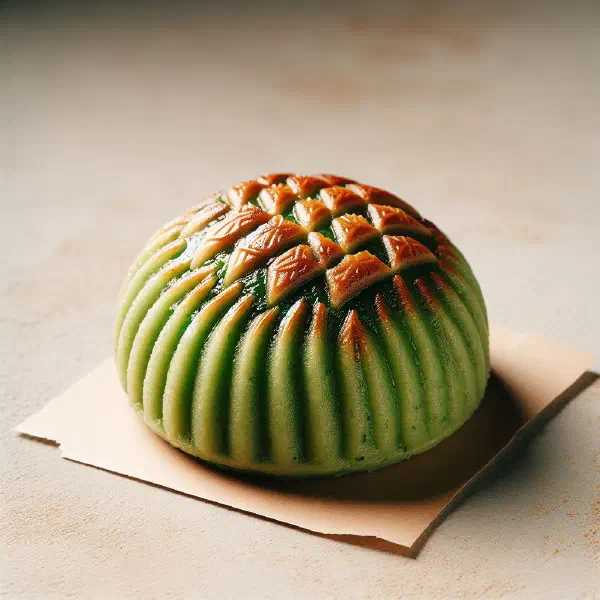
Kuih Cincin is a traditional biscuit from Brunei and a symbolic treat served at many festivities and special occasions. Its distinctive form recalls a series of interlocking rings, which gives it a striking visual appeal. The dough is built mainly on rice and tapioca flour, combined with the sweet note of sugar and the aromatic flavour of pandan leaves. Together these ingredients yield more than a delicious snack but also a genuine window into the culinary traditions of Brunei.
Ingredients (serves 1–2)
- 100 g rice or tapioca flour
- 50 g sugar
- 100 ml water
- 2–3 pandan leaves, cut into pieces
- 1 pinch of salt
Shopping for the ingredients
To make Kuih Cincin at home, it is important to gather the right ingredients. Rice and tapioca flour are available in most Asian grocery shops. Pandan leaves are often stocked too, or can be replaced with pandan paste, though this will alter the flavour slightly. Be sure to choose fresh ingredients to achieve the very best result.
Preparing the dish
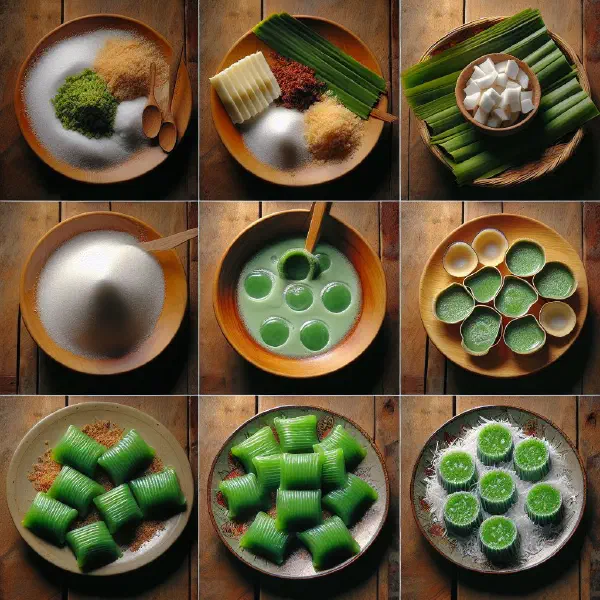
Preparing Kuih Cincin is straightforward and can be done quickly. It is important that the ingredients are thoroughly combined to create a smooth, homogeneous dough. You should also make sure the moulds are ready for baking or steaming the biscuits, as these are essential for achieving the proper shape. Careful preparation ensures that the finished product impresses in both flavour and appearance.
Step-by-step instructions
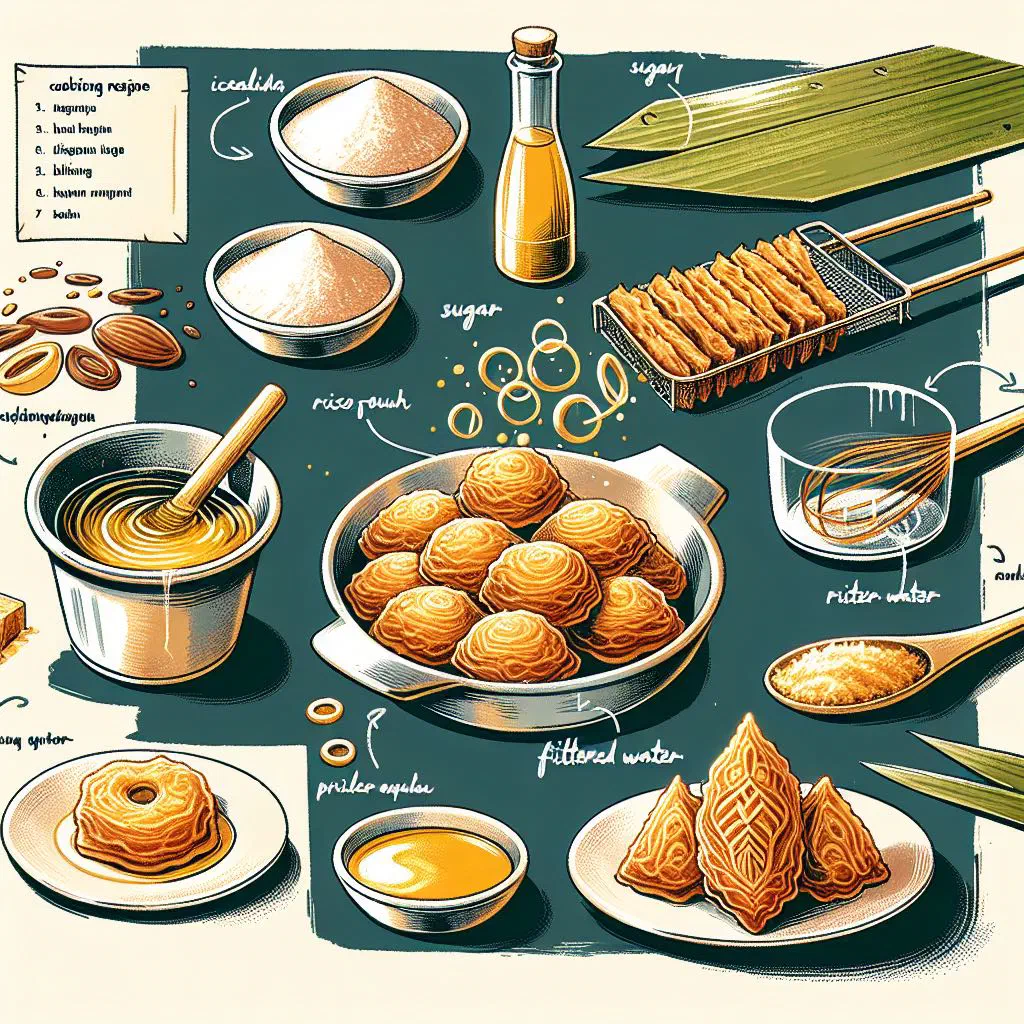
- Combine the rice and tapioca flour in a bowl.
- Add the sugar and a pinch of salt and mix well.
- Add the pandan leaves to the water and let it simmer for a few minutes to draw out the aroma.
- Pass the pandan water through a sieve into the flour mixture and blend everything into a smooth dough.
- Pour the mixture into small, ring-shaped moulds and steam or bake until firm.
Gluten-free / lactose-free version
Kuih Cincin is naturally gluten-free, as both rice and tapioca flour contain no gluten. The recipe is likewise naturally lactose-free, since it includes no dairy products. This makes it ideal for anyone with those intolerances. Do take care, however, to check any additional ingredients you might wish to add for their gluten- and lactose-free status.
Tips for vegans and vegetarians
For vegans, Kuih Cincin is an excellent choice, as the recipe contains no animal products whatsoever. To make sure every ingredient is truly plant-based, keep an eye on the origin of your sugar, since some varieties use animal-derived products in processing. The recipe is perfectly suited to vegetarians too. This treat offers a wholesome and delicious way to enjoy the flavours of Brunei.
More tips and tricks
A few small tips can help you achieve the best result. Experiment with the amount of sugar to reach the flavour you prefer. If you want a more intense taste, add more pandan leaves or use a high-quality pandan paste. Feel free to play with the moulds as well. You could also try small bars or other shapes for a bit of variety.
Adapting the recipe to your taste
The recipe for Kuih Cincin is easy to tailor to personal preference. If you would like a richer flavour, you can add extra notes such as coconut milk or fresh fruit. You can also experiment with the consistency of the dough by varying the amount of water slightly. That way you end up with exactly the snack that suits your taste.
Ingredient substitutions
If you cannot find pandan leaves, it is possible to use pandan paste, which offers a different texture and intensity of flavour. Likewise, for a sweeter note you can use honey or agave syrup as an alternative to sugar, the same easy swaps that work in a bowl of Cendol. These adjustments can significantly influence the flavour and texture of your Kuih Cincin, so feel free to experiment. Be careful when substituting ingredients so as not to upset the balance of the recipe.
Drink pairing ideas
Kuih Cincin pairs beautifully with a range of drinks. A sweet cup of green tea complements the flavour of the biscuits perfectly and creates a harmonious tasting experience. Alternatively, fruit juices or coconut-based drinks are also a good choice, a frothy Teh Tarik makes a particularly fitting match. Consider what you enjoy most and experiment with different combinations to find the perfect pairing.
Serving and presentation ideas
For an appealing presentation, arrange the Kuih Cincin on an elegant plate. Decorate them with fresh mint leaves or edible flowers for an extra splash of colour. Wrapping them in clear gift bags also works wonderfully if you plan to hand them out as presents. A thoughtful presentation makes every snack look and feel twice as good.
A bit of history
Kuih Cincin has a long tradition in Bruneian culture and is often served at special festive occasions. It symbolises friendship and community, which is why it is so frequently offered at gatherings and celebrations. The unique combination of ingredients tells a story about the availability of regional produce and long-standing culinary customs. Kuih Cincin is enjoyed not merely as a snack but as part of Bruneian identity and a proud example of Brunei cuisine.
More recipe ideas
Summary: Kuih Cincin
Kuih Cincin is more than just a dessert; it is a vital part of Bruneian tradition and culture. With its unique flavour and eye-catching shape, it is perfect for anyone who wants to get to know the flavours of Brunei. Whether for special occasions or simply as a between-meal nibble, this traditional biscuit will pleasure your guests and bring you plenty of joy too. Give it a try and discover the fascinating world of Kuih Cincin.