National Dish Brunei: Nasi Penyet (Recipe)
In this article
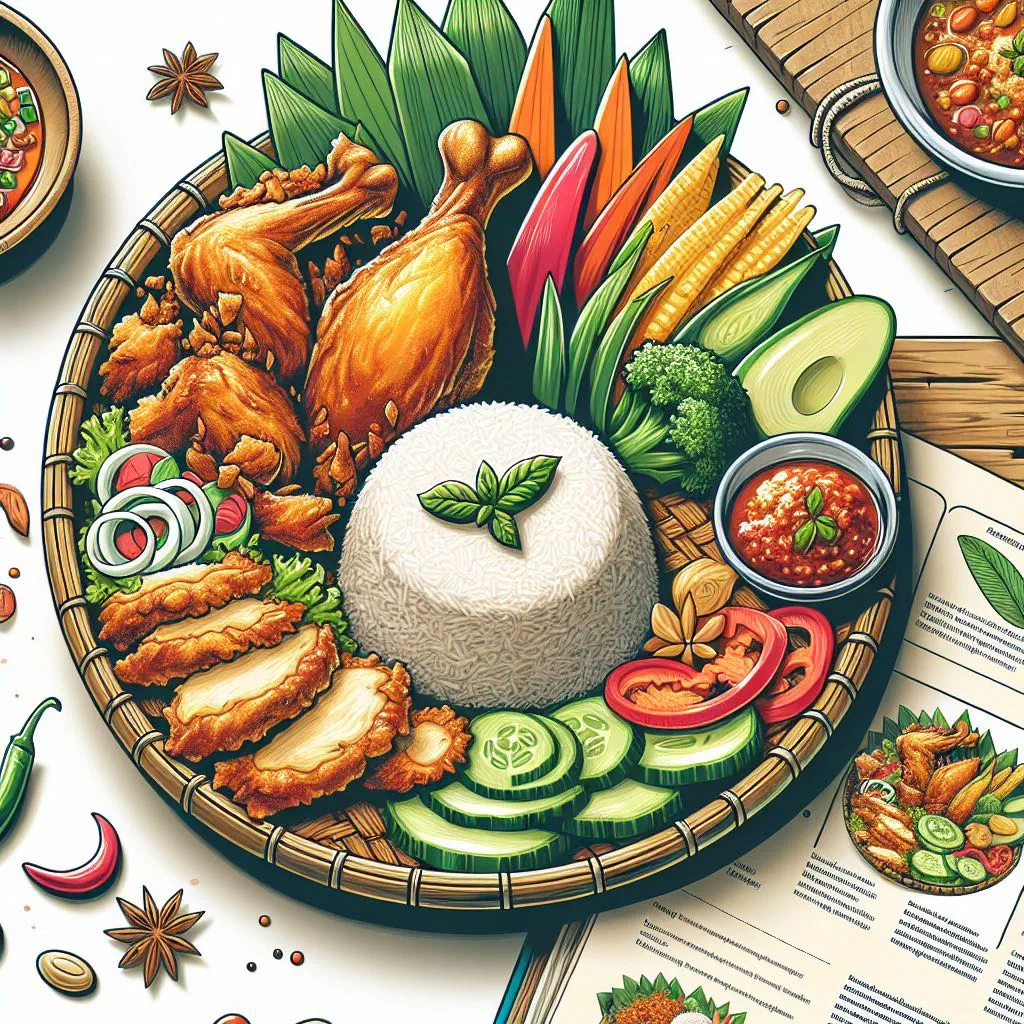
Discover Nasi Penyet, a wonderfully aromatic dish from Brunei that brings together fluffy steamed rice, crispy chicken or tofu and a fiery sambal sauce. Fresh cucumber and tomato round out the plate, turning every mouthful into a celebration of contrasts, tender and crunchy, savoury and spicy. It is a feast of flavours that carries the warmth of Southeast Asian home cooking straight to your table.
About Nasi Penyet
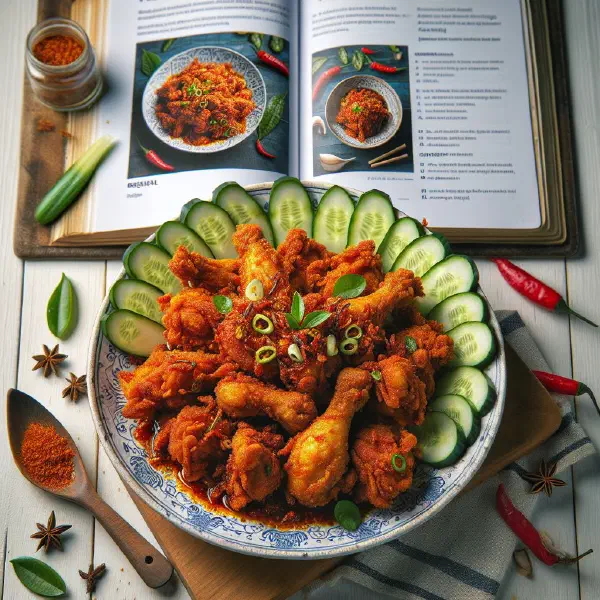
Nasi Penyet is a traditional dish from Brunei, defined by its delicious combination of steamed rice, crispy chicken or tofu. It is typically served with a special sambal sauce that lends the whole plate a bright, spicy note. Preparing it involves marinating the main ingredients, which beautifully deepens the character and aroma of the dish. Bite into the tender meat or the crisp tofu and the flavours of the marinating spices come vividly to life.
Ingredients (serves 1–2)
- 1 cup basmati rice
- 250 g chicken breast or tofu
- 2–3 tablespoons sambal oelek
- 2–3 cloves garlic
- 1 tablespoon soy sauce
- ½ teaspoon turmeric
- Salt and pepper, to taste
- Fresh cucumber and tomato, to serve
Shopping for the ingredients
When shopping for Nasi Penyet, it is worth paying attention to the quality of your ingredients. Look for fresh chicken or tofu to guarantee the best flavour. Spices such as turmeric and sambal oelek are often cheaper to find in Asian grocery stores, and they give the dish its authentic character. Fresh vegetables like cucumber and tomato are also essential for the sides that round the meal off.
Preparing the dish
Preparing Nasi Penyet involves a few steps to let the flavours unfold perfectly. First, leave the chicken or tofu to sit for a couple of hours in a marinade of soy sauce, garlic, turmeric, salt and pepper. Then wash the rice thoroughly and bring it to the boil. It helps to have all your ingredients ready in advance, so the cooking runs smoothly and the whole process stays relaxed and simple.
Step-by-step instructions
- Wash the rice and cook it in a pan of water until tender.
- Fry the marinated chicken or tofu in a pan with a little oil until golden brown.
- Warm the sambal sauce through in a small pan.
- Spoon the cooked rice onto a plate and arrange the chicken or tofu on top.
- Garnish with sambal sauce and fresh vegetables, then serve.
Gluten-free / lactose-free version
To make Nasi Penyet gluten-free or lactose-free, a few simple swaps do the trick. Instead of regular soy sauce, reach for a gluten-free soy sauce or tamari. Tofu is naturally lactose-free, and choosing a plant-based oil for frying means the dish suits anyone avoiding dairy too. This makes it easy to tailor the recipe to a wide range of dietary needs.
Tips for vegans and vegetarians
For vegans and vegetarians, Nasi Penyet offers excellent scope for adapting. Replace the chicken with marinated tofu or tempeh to keep the dish hearty and satisfying. Be sure to use plant-based oils and spices to intensify the flavours. Leaving the tofu to soak in the same marinade guarantees an unmistakable taste that everyone can enjoy. The rice-and-sambal base has just as much appeal in a plate of Nasi Lemak.
More tips and tricks
When cooking Nasi Penyet, a few tips and tricks help you get the very best from the dish. Take care not to overcook the rice, so it stays loose and fluffy rather than mushy. Serve the dish warm to bring out the aromas at their finest. You can also experiment with different sides to refine the meal to your own taste, much as you might with a comforting bowl of Bubur Lambuk.
Adapting the recipe to your taste
The great thing about Nasi Penyet is the flexibility the recipe offers. You can adjust the heat of the sambal sauce to your liking, using more or less as you please. Vegetables such as peppers, carrots or beans can be added as sides to boost the nutritional value. The result is delicious and a healthy dish shaped around your own preferences.
Ingredient substitutions
If certain ingredients are not to hand, alternatives are easy to find. In place of basmati rice you can use jasmine rice or even quinoa for a gluten-free option. The tofu can be swapped for seitan to give a different texture. With these substitutions you can still put together a tasty Nasi Penyet, whatever happens to be in your store cupboard. A crispier version brings it close to the well-loved Ayam Penyet.
Drink pairing ideas
A range of drinks pairs nicely with Nasi Penyet to complete the experience. A refreshing unsweetened iced tea or plain sparkling water make ideal companions, cleansing the palate between mouthfuls. Alternatively, an Asian beer or a fruity cocktail can be served to harmonise with the spicy flavours. A frothy Teh Tarik is another classic way to round off the meal.
Serving and presentation ideas
The presentation of Nasi Penyet can greatly heighten the enjoyment. Arrange the food on colourful plates and add fresh herbs as a garnish. Serving the sides, such as cucumber and tomato, on a separate plate can create a lovely composition of colours. This kind of inviting presentation whets the appetite and turns the meal into a feast for the senses.
A bit of history
Nasi Penyet has its origins in Southeast Asia and is popular across several countries, especially Indonesia and Malaysia. The method and ingredients can vary from region to region, yet the core idea of combining flavourful aromas remains the same. Historically, Nasi Penyet reflects the blend of cultures so characteristic of the region. This union of tradition and taste makes it an indispensable part of Brunei cuisine.
More recipe ideas
Summary: Nasi Penyet
All in all, Nasi Penyet is more than just a dish that captures the flavours of Brunei. It is a culinary experience that shines through its versatility and adaptability. Whether vegan, gluten-free or lactose-free, this dish is easy to adjust to individual preferences. With the tips and tricks above, you will be able to conjure up an authentic and tasty Nasi Penyet. Let it whisk you away on a flavourful journey into the rich culture of Brunei.