National Dish Brunei: Nasi Tumpang (Recipe)
In this article
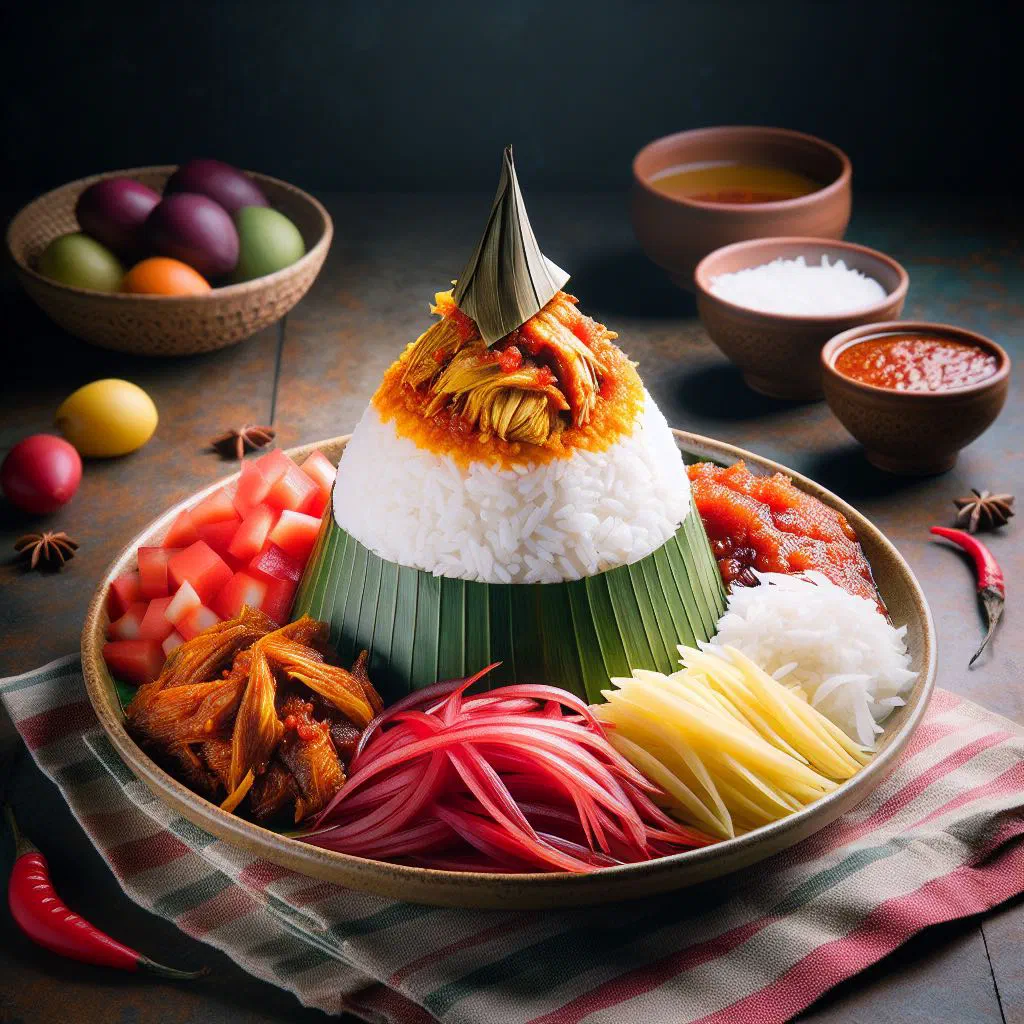
Say hello to Nasi Tumpang, a fragrant rice parcel that captures the soul of Brunei’s kitchen. Steamed jasmine rice is bundled into banana leaves with tender chicken and colourful vegetables, then gently cooked until the leaf lends its subtle, grassy perfume to every grain. It is a dish built for sharing, as at home at a festive gathering as it is on a quiet family evening. Unwrap a parcel and you unwrap a little piece of Southeast Asia.
About Nasi Tumpang
Nasi Tumpang is a traditional rice dish from Brunei, distinguished by its unique preparation and its use of fresh, fragrant flavours. The rice is wrapped in banana leaves, which makes for an attractive presentation and deepens the taste of the finished parcel. It is typically served with a variety of accompaniments such as fish, chicken or vegetables, making it a genuine treat for the senses. Nasi Tumpang reflects the culinary richness of Brunei and offers a glimpse into the culture and heritage of this small but fascinating nation.
Ingredients (serves 1–2)
- 250 g jasmine rice
- 2 banana leaves
- 200 g chicken breast, cooked
- 100 g vegetables of your choice (e.g. carrots, peas)
- 2 tablespoons coconut milk
- Spices (e.g. turmeric, pepper, salt)
Shopping for the ingredients
To make Nasi Tumpang, all the necessary ingredients should be available in a well-stocked supermarket or at an Asian grocery. Take care to choose fresh jasmine rice and fresh produce to bring out the best flavour. Banana leaves can occasionally be tricky to track down, but they are key to the authentic aroma. If you cannot find them, aluminium foil or large edible leaves can stand in, though the taste will differ slightly. Many Southeast Asian staples turn up throughout Brunei cuisine, so it is worth building up a small pantry of them.
Preparing the dish
Before you start cooking Nasi Tumpang, it is important to prepare all the ingredients thoroughly. Wash the rice well and then leave it to soak in water for about half an hour. While the rice soaks, cut the chicken into small pieces and prepare your chosen vegetables. These are important steps for bringing the flavours together and creating a delicious meal, much as they do in a comforting bowl of Nasi Lemak.
Step-by-step instructions
- Steam the soaked rice in a steamer until it is cooked through.
- In a bowl, combine the cooked chicken, the vegetables and the coconut milk.
- Gently warm the banana leaves so they become more pliable.
- Place a portion of rice on a banana leaf and top it with a portion of the chicken-and-vegetable mixture.
- Fold the leaf over and tie it securely with kitchen string.
- Steam the parcels for about 20 minutes.
Gluten-free / lactose-free version
Nasi Tumpang naturally offers plenty of options for anyone with a gluten or lactose intolerance. As the carbohydrate base, be sure to use jasmine rice, which is naturally gluten-free. To make certain the dish is fully lactose-free, swap the coconut milk for a plant-based alternative such as soya or almond milk. By adjusting a few ingredients, even those with particular dietary needs can enjoy this traditional dish.
Tips for vegans and vegetarians
Nasi Tumpang lends itself wonderfully to vegans and vegetarians, since it is so easy to adapt. Replace the chicken with tofu or tempeh for a protein-rich version. A mix of different vegetables also makes for a nutritious and varied meal. On top of that, herbs and spices such as fresh coriander or basil add extra aroma and make the dish even more flavourful.
More tips and tricks
When you make Nasi Tumpang, a few helpful tips can make the process easier. Take care to set the steaming temperature correctly for the best cooked result. Experiment with chilli or fresh herbs to adjust the heat and taste until they suit your preferences, in the same spirit as a fiery plate of Sambal Udang.
Adapting the recipe to your taste
This Nasi Tumpang recipe is very flexible and easy to tailor to your personal preferences. You can choose between different protein sources, whether meat, fish or a plant-based alternative. Depending on your taste, various vegetables can be used to achieve the flavours you want.
Ingredient substitutions
If some ingredients are hard to find, there are readily available alternatives. Instead of banana leaves, you can use aluminium foil or particular large-leaf vegetables that also serve to hold in the aroma. If jasmine rice is not available, use basmati rice or another fragrant long-grain variety instead. For the accompaniments, too, you can mix and match different vegetables and spices to find your ideal combination, a flexibility shared by dishes like Nasi Goreng Kampung.
Drink pairing ideas
A range of drinks pairs beautifully with Nasi Tumpang and complements its flavours. A lightly chilled green tea is a refreshing choice that balances the aromas. A fruity mocktail built on coconut or pineapple offers a tropical treat, while a milky glass of Teh Tarik makes a comforting match. If you prefer something stronger, a light Asian beer or a rum-based cocktail could be a fitting option.
Serving and presentation ideas
The presentation of Nasi Tumpang can be lifted with just a few touches. Serve the banana-leaf parcels still warm on an attractive plate and decorate them with fresh coriander or mint for a splash of colour. Offer a small dish of chilli sauce or a sweet soy sauce on the side to make the meal even more flavoursome. Details like these can turn the dish into a real showstopper and impress your guests.
A bit of history
The roots of Nasi Tumpang reach deep into the history of Brunei and reflect the cultural diversity of the country. The dish has its origins in the traditional kitchen and was often served at festive occasions. It is a symbol of hospitality and of the art of cooking, passed down from one generation to the next. This tradition helps to strengthen and preserve the connection between people and their culinary heritage, a thread that runs through many a plate of Nasi Katok.
More recipe ideas
Summary: Nasi Tumpang
Nasi Tumpang is a fantastic dish that brings together the flavours of Brunei and the traditional cooking of Southeast Asia to perfection. Thanks to its fresh ingredients and straightforward preparation, you will be able to create a touch of Brunei in your own kitchen. Fish or vegetarian ingredients, this dish is sure to be a hit with your guests. Discover the variety and richness of Asian cuisine with Nasi Tumpang and let its delicious aromas enchant you.