National Dish Brunei: Nasi Ulam (Recipe)
In this article
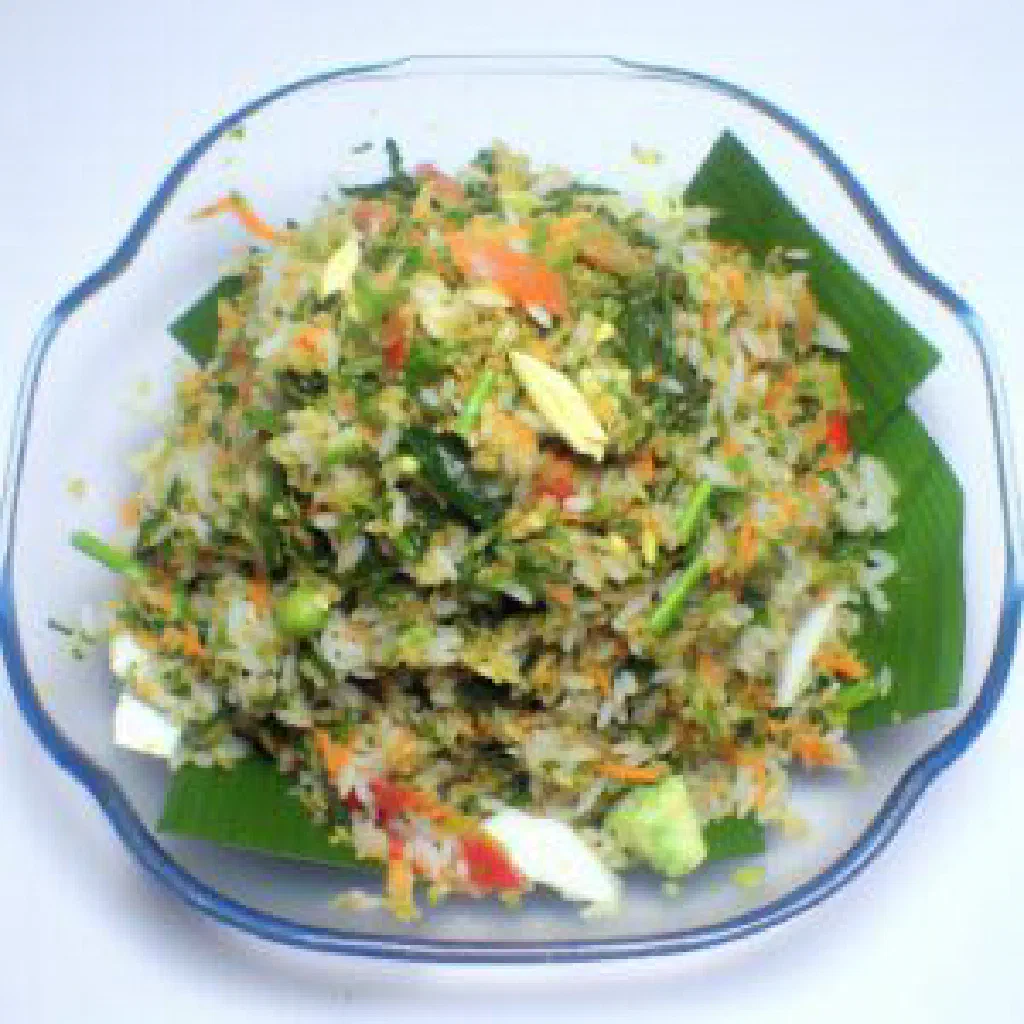
Meet Nasi Ulam, Brunei’s fragrant herbed rice salad that turns a handful of fresh leaves and a bowl of rice into something extraordinary. Cool, zesty and packed with aromatic herbs, this is a dish that celebrates freshness above all else. Bright with lime and a whisper of chilli, it can headline a meal or sit happily alongside grilled favourites. Bring a taste of Bruneian home cooking to your own kitchen with this simple, bright recipe.
About Nasi Ulam
Nasi Ulam is a traditional dish from Brunei that appeals to the palate and pleases the eye in equal measure. This aromatic rice dish brings together freshly cooked rice with a generous mix of herbs, vegetables and spices, creating a flavour combination all its own. Rooted in the region’s culinary heritage, it reflects the cultural diversity of Brunei and often appears at festive gatherings. Nasi Ulam is a must for anyone who loves the fresh, layered flavours of Southeast Asian cooking.
Ingredients (serves 1–2)
- 1 cup cooked rice
- 1/2 cup fresh coriander, chopped
- 1/2 cup mint leaves
- 1/2 cup peppers, sliced
- 1/4 cup red onion, chopped
- 2 tablespoons lime juice
- 2 teaspoons fish sauce (optional)
- 1 teaspoon chilli paste (to taste)
- Salt and pepper, to taste
Shopping for the ingredients
When shopping for Nasi Ulam, it is well worth paying attention to the freshness of the herbs, as they play a central role in the flavour of the dish. Fresh coriander and mint are essential, lending the rice not just aroma but an appealing colour too. For the vegetables, seasonal and local produce will make the dish tastier still. If you plan to use fish sauce, choose a good-quality bottle that delivers an authentic, savoury depth.
Preparing the dish
Before you start on Nasi Ulam, a little groundwork makes the whole process run smoothly. Cook the rice at least an hour ahead so it can cool, as cold rice soaks up the flavours of the other ingredients far better. Chopping the vegetables small and mincing the herbs finely helps the flavours spread evenly for a harmonious result. Have everything measured and ready so that assembling the dish is quick and effortless.
Step-by-step instructions
- Tip the cooked, cooled rice into a large bowl.
- Add the fresh herbs, vegetables and onion.
- Pour in the lime juice, fish sauce and chilli paste, then mix well.
- Season with salt and pepper and stir through again until evenly combined.
- Chill in the fridge for 15–20 minutes so the flavours can mingle before serving.
Gluten-free / lactose-free version
Nasi Ulam is easily made gluten-free and lactose-free, which makes it a joy to share widely. Swap the fish sauce for a gluten-free soy sauce or tamari to keep that same umami note. The rice itself is naturally gluten-free, making it an ideal base for the dish. Just be sure that every herb and vegetable you use is fresh and unprocessed to keep the recipe friendly to those with food intolerances.
Tips for vegans and vegetarians
Nasi Ulam is a naturally vegan and vegetarian dish that adapts readily to personal taste. To make it more protein-rich, stir through some tofu or chickpeas. Be sure to replace the fish sauce with a plant-based alternative to keep it fully vegan. The beauty of Nasi Ulam is that its many herbs and spices make it so aromatic you will not miss the meat at all. It stands proudly as a complete meal in its own right.
More tips and tricks
When making Nasi Ulam, a few tips and tricks can lift the dish even further. Experiment with different herbs to create a signature flavour, a little Thai basil or tarragon works wonderfully. You can vary the vegetables too, with carrots or cucumber adding welcome crunch. Never forget to taste the mixture before serving to make sure all the flavours are in perfect balance.
Adapting the recipe to your taste
Nasi Ulam is wonderfully flexible and easy to tailor to personal preference. If you like bolder heat, add more chilli paste or toss in fresh chillies. For an extra layer of fragrance, try shredded kaffir lime leaves. The dish is versatile not only in the making but in the presentation too, play with the arrangement of the ingredients for a plate that looks as good as it tastes.
Ingredient substitutions
If certain ingredients are not to hand, there are plenty of alternatives to fall back on. In place of fish sauce, try a blend of soy sauce and lime juice to hold on to that umami note. Instead of coriander you might reach for parsley, which brings a different note but still sits happily in the mix. The rice can even be swapped for quinoa or couscous, giving the dish a fresh new texture.
Drink pairing ideas
Nasi Ulam pairs beautifully with a range of drinks. A cool Asian-style beer stands up nicely to the flavours, while a fresh lime or ginger tea offers a refreshing change of pace. Alcohol-free cocktails made with fresh fruit and herbs make a lovely accompaniment too. On a hot day, a glass of sparkling water with lemon is a simple and welcome refreshment.
Serving and presentation ideas
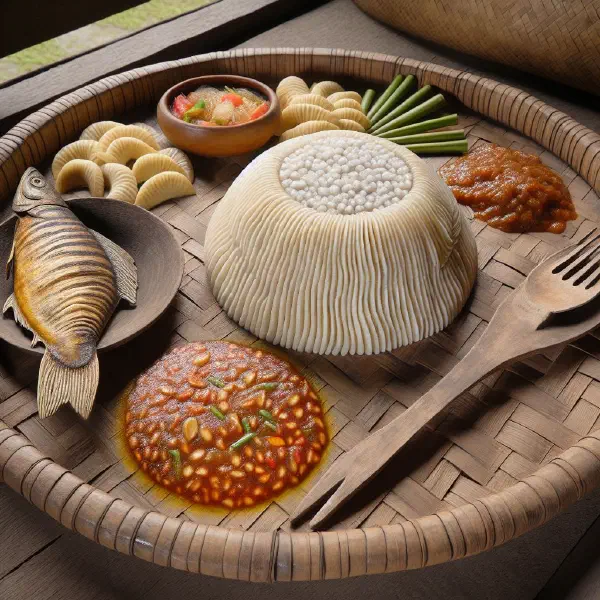
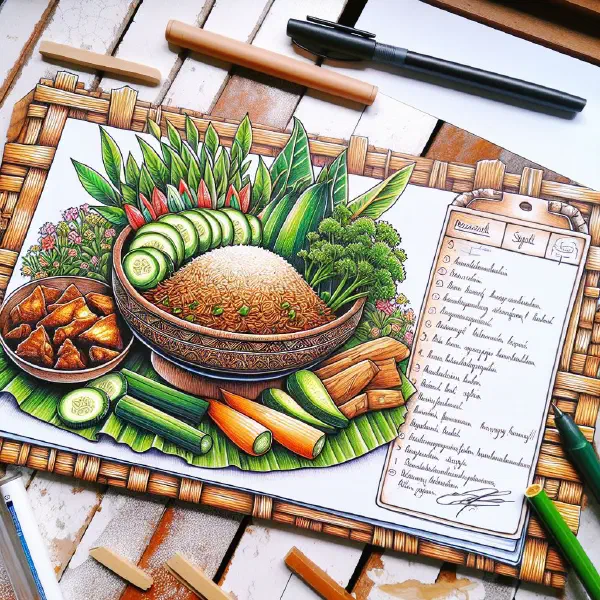
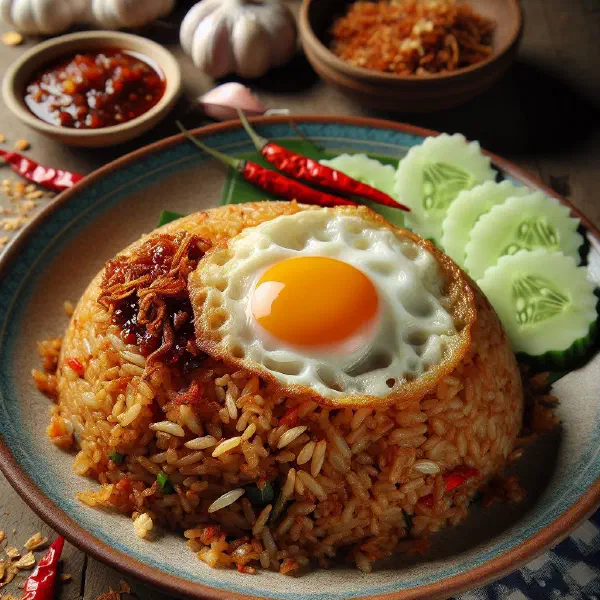
Presentation can make all the difference in showing Nasi Ulam at its best. Serve it in a large bowl and garnish with extra fresh herbs and thin slices of lime. Use a variety of colourful vegetables to build an attractive, appetising picture. A handsome wooden platter or traditional Southeast Asian tableware can raise the experience further still.
A bit of history
The history of Nasi Ulam reaches deep into the culture of Brunei and Southeast Asia. As a dish often served on celebratory occasions, it mirrors the rich traditions and influences of the region. Nasi Ulam has evolved through the many cultures that meet in Brunei, and is a symbol of the country’s cultural diversity. It represents the art of cooking at its freshest, where herbs and bright produce take centre stage, a fine example of Brunei cuisine.
More recipe ideas
Summary: Nasi Ulam
Nasi Ulam is a captivating and flavour-packed dish that reflects the culinary identity of Brunei. Through its blend of aromatic rice and fresh herbs, every mouthful becomes an experience of its own. Thanks to its versatility, Nasi Ulam works equally well as a main course or a side. Try it alongside a rich Kerabu for a fresh, herby spread. Give this recipe a go and let its bright flavours win you over.