National Dish Brunei: Serabi (Recipe)

In this article
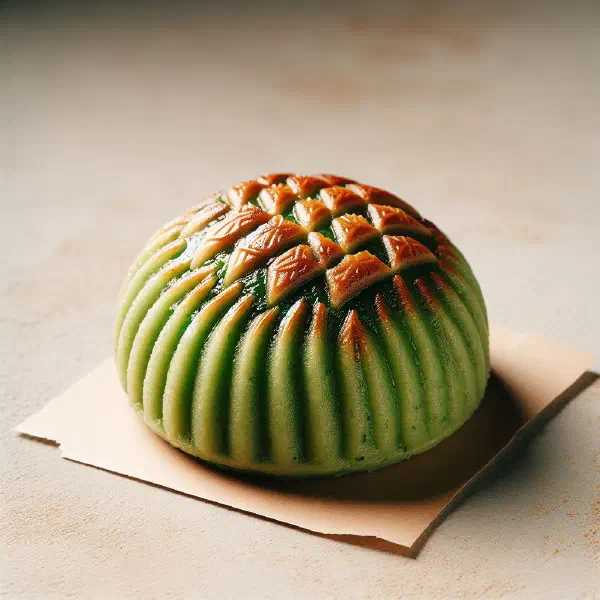
Discover Serabi, one of Brunei’s most cherished sweet treats. These light, airy little pancakes are made from rice or wheat flour and enriched with a delicate coconut cream that gives them their unmistakable flavour. Somewhere between a snack and a dessert, they strike a lovely balance of sweet and savoury notes. Simple to make and endlessly comforting, Serabi bring a genuine taste of Bruneian culture straight to your own kitchen.
About Serabi
These traditional pancakes are prepared from rice or wheat flour and are prized for their light, fluffy texture. They are often finished with a delicate coconut cream, which lends them their distinctive character. Ideal as a snack or a dessert, Serabi offer a wonderful combination of sweet and savoury aromas that has made them a firm favourite across Southeast Asia.
Ingredients (serves 1–2)
- 100 g rice or wheat flour
- 200 ml coconut milk
- 1 tsp sugar
- 1 tsp baking powder
- 1 pinch of salt
- Oil, for frying
Shopping for the ingredients
To prepare Serabi, the ingredients you need can be found in any well-stocked supermarket or at Asian grocery shops. Coconut milk and rice or wheat flour, in particular, are usually stocked in the international aisle. Take care to choose fresh ingredients, especially when buying coconut milk, as this makes all the difference to the flavour of the finished dish.
Preparing the dish
Preparing Serabi is straightforward and takes only a few steps. First, gather and set out all your ingredients so the cooking process runs smoothly. It is worth gently warming the coconut milk before combining it with the other ingredients. This improves the texture of the batter and makes it much easier to mix into a smooth, even consistency.
Step-by-step instructions
- Mix the rice or wheat flour, sugar, baking powder and salt together in a bowl.
- Pour in the coconut milk slowly and stir the batter well until it is smooth and homogeneous.
- Heat a non-stick pan with a little oil over medium heat.
- Pour a small amount of batter into the pan and cook the pancake until bubbles form and the edges are set.
- Flip the pancake and fry the other side until golden brown.
- Repeat with the remaining batter and serve the warm Serabi with coconut cream.
Gluten-free / lactose-free version
Making Serabi gluten-free is easy. Simply use gluten-free flour. Rice flour, or a blend of other gluten-free flours, works beautifully. For a lactose-free version, make sure the coconut milk you use is free from additives and completely plant-based. This makes the dish suitable for a much wider range of dietary preferences while keeping every bit of its delicious flavour.
Tips for vegans and vegetarians
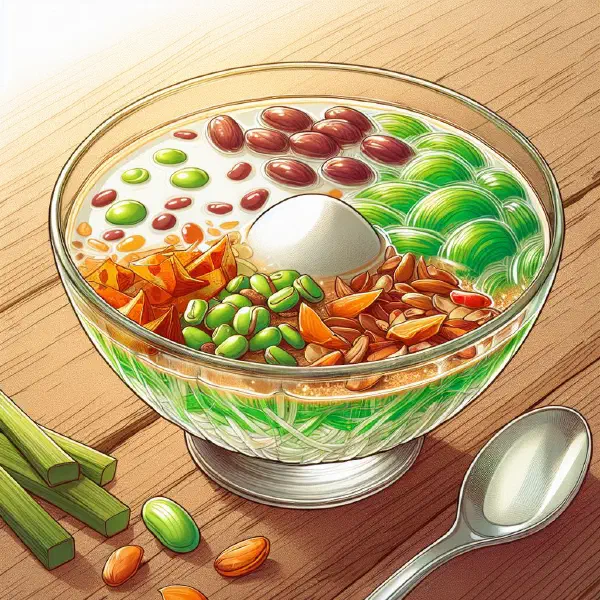
Serabi is naturally vegan as long as no animal products are added. Simply stick to plant-based components such as coconut milk, and when buying sugar, check that it is unrefined. For extra depth of flavour, you can add fragrant vanilla extract or a little cardamom to the batter. These spices lend the dish a special note that vegans and vegetarians alike will love, much like the aromatic touches in a bowl of Cendol.
More tips and tricks
A few simple tips can noticeably improve the way your Serabi turn out. Make sure the pan is properly heated before you pour in the batter. This gives the pancakes a lovely golden colour. Experiment with different fillings such as banana or mango to add a fruity twist. It is also important not to let the batter stand for too long, as this can affect the final texture.
Adapting the recipe to your taste
The recipe for Serabi is wonderfully adaptable. You can reduce the sugar or use different sweeteners to suit your palate. Spices such as cinnamon or cardamom can deepen the flavour further, and for a nutty note you might scatter toasted nuts or seeds over the top, which also adds an interesting texture to the dish.
Ingredient substitutions
If you do not have some of the ingredients to hand, there are plenty of tasty alternatives. Instead of coconut milk you can use almond milk or oat milk if you fancy trying a different flavour. For a gluten-free option, rice or potato flour works well, as mentioned above. A little creativity goes a long way, letting you tailor Serabi to all kinds of tastes, the same playful spirit you find in fritters like Cucur Udang.
Drink pairing ideas
Serabi pairs beautifully with a refreshing drink. A warm tea, especially green tea or coconut water, harmonises perfectly with the pancakes. For a little extra zing, you could also serve a fruity smoothie to complement the flavours of the dish. A cup of Teh Tarik rounds off the experience and makes it truly memorable.
Serving and presentation ideas
The way you present Serabi can noticeably enhance the meal. Serve the pancakes on a colourful plate, garnished with fresh fruit and a dollop of coconut cream. A dusting of icing sugar or a few mint leaves can dress the dish up beautifully. Ultimately we eat with our eyes first, and an attractive presentation is sure to leave your guests all the hungrier.
A bit of history
Serabi has its origins in Bruneian culture and has grown over the years into a much-loved snack. These delicious pancakes are part of the more traditional cooking of Southeast Asia and were originally prepared within family circles. Their making is bound up with many cultural celebrations and reflects the rich food heritage of Brunei. A single bite of Serabi brings you closer to the diverse cultural and culinary experience of this region and its wider Bruneian cuisine.
More recipe ideas
Summary: Serabi
In short, Serabi is a delicious and sociable way to bring a little of Brunei’s culture into your own kitchen. The blend of light texture, sweet flavour and appealing coconut cream makes it truly unique. Serabi offers a good experience for every palate. Give it a try and let this traditional dish win you over.