National Dish Bulgaria: Banitsa (Recipe)

In this article
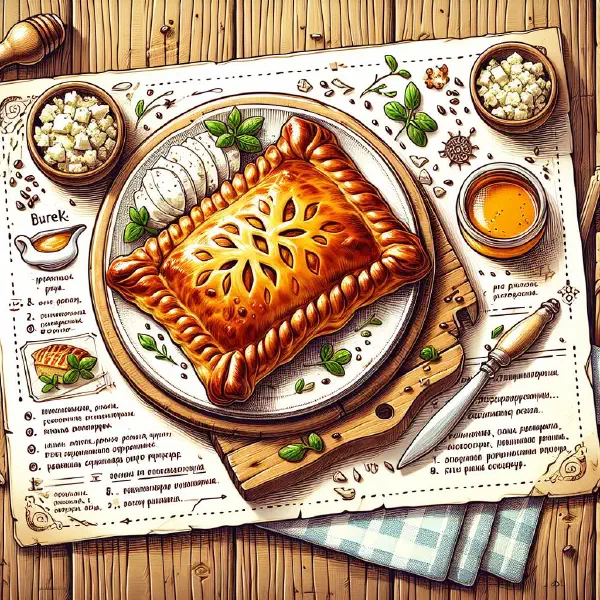
Meet Banitsa, the coiled filo pastry that Bulgarians reach for at breakfast, at holidays and at just about every occasion in between. Wafer-thin sheets of pastry are brushed with butter, wrapped around a tangy filling of white cheese, eggs and yoghurt, then coiled into a tin and baked until deep gold and shatteringly crisp. It is rustic and refined at once, simple ingredients turned into something that tastes of home.
About Banitsa
The heart of Bulgarian cooking beats for banitsa, an exquisite pastry that brings tradition and flavour together in one tin. It is more than a dish; it is a piece of Bulgarian identity. Made from paper-thin filo pastry and generously filled with a mixture of eggs, yoghurt and white cheese, banitsa mirrors a food culture that is rustic and refined in equal measure. What makes it special is its sheer versatility: it works as a hearty breakfast just as happily as it does as a festive treat for special occasions.
Ingredients (serves 1–2)
- 200 g filo pastry
- 150 g Bulgarian white cheese (or feta as an alternative)
- 2 large eggs
- 150 g natural yoghurt
- 50 g butter
- A pinch of salt and black pepper
Shopping for the ingredients
Look for authentic Bulgarian white cheese in Eastern European delicatessens, or use feta as a stand-in. Filo pastry is usually stocked in most supermarkets, either in the freezer cabinet or with the fresh pastry. Natural, unsweetened yoghurt rounds out the flavour, the same cultured tang that gives Kisel Mlyako its character.
Preparing the dish
If you are using frozen pastry, let the filo thaw in good time so the sheets separate cleanly instead of tearing. Crumble the cheese finely and melt the butter before you begin, so that assembling the rolls runs smoothly from start to finish. A clear, uncluttered work surface makes all the difference when you are handling delicate pastry.
Step-by-step instructions
- Preheat the oven to 180°C.
- In a bowl, mix the crumbled cheese, the eggs and the yoghurt.
- Brush each sheet of filo with melted butter, spoon a line of the cheese, egg and yoghurt mixture along it, then roll the pastry up.
- Lay the rolls in a buttered baking tin, arranging them in a spiral.
- Bake the banitsa for around 30–40 minutes, until golden brown.
Gluten-free / lactose-free version
Filo is wheat-based, so a gluten-free banitsa relies on one of the gluten-free pastry sheets now sold in larger supermarkets and health food shops; handle them gently, as they tear more readily than the classic kind. For a lactose-free version, swap the butter for plant-based margarine and choose a lactose-free white cheese and yoghurt. The filling behaves in exactly the same way, so nobody has to miss out.
Tips for vegans and vegetarians
The classic recipe is already vegetarian. To make it fully vegan, use a plant-based feta-style cheese, an unsweetened soya or coconut yoghurt and a vegan margarine for brushing, then bind the filling with a commercial egg replacer or a little chickpea flour whisked with water. Check the filo packet as well, since most brands are dairy-free but a few are not. The result browns beautifully and keeps that familiar savoury tang.
More tips and tricks
Bear in mind that banitsa changes colour considerably depending on how long you bake it, pull it out early for a pale, soft crumb, or leave it longer for a darker, crisper finish. For a fluffier filling, stir a splash of sparkling water into the cheese mixture just before assembling. Letting the baked pastry rest under a clean tea towel for ten minutes softens the top layer slightly and makes slicing far tidier.
Adapting the recipe to your taste
Banitsa gives you real freedom when it comes to the filling. Experiment with spinach, with minced meat, or even with sweet versions using apples or cherries, a sweeter route that leads naturally towards Tikvenik, the pumpkin-filled cousin of this pastry. You can also shape the dough as one large coil or as individual rolls, depending on whether you are feeding a crowd or packing a lunchbox.
Ingredient substitutions
If you cannot track down Bulgarian white cheese, try feta or ricotta instead; ricotta gives a milder, creamier result, while feta keeps the sharper edge. Vegans will find plant-based alternatives to both butter and feta, along with reliable egg replacers. Where a recipe like Zelnik leans on greens, you can borrow the same idea here and stretch the filling with wilted spinach or chard.
Drink pairing ideas
A glass of ayran, the salted yoghurt drink, is the traditional partner to banitsa and cuts neatly through the buttery pastry. A hot Bulgarian herbal tea is the other classic choice, particularly at breakfast. For a leisurely weekend table, a small glass of Rakiya alongside is very much in the Bulgarian spirit.
Serving and presentation ideas
Serve the banitsa warm, either dusted with icing sugar or scattered with fresh herbs, depending on the filling you have chosen. Cutting the coil into wedges at the table shows off the spiral of pastry and makes a handsome centrepiece. A bowl of Shopska Salata alongside turns a single pastry into a full and colourful meal.
A bit of history
Banitsa has roots that run deep through Bulgarian history and is often prepared for holidays and special occasions, where it is said to bring luck and prosperity for the year ahead. On New Year’s Eve, small paper fortunes are traditionally baked into the coil, and each guest reads out the message hidden in their slice. That mix of everyday nourishment and quiet ritual is what makes it such a good introduction to Bulgarian cuisine.
More recipe ideas
Summary: Banitsa
Banitsa remains an incomparable part of Bulgarian food culture, pleasing equally in its traditional form and in its many modern variations. Crisp pastry, a tangy cheese filling and a spiral that unwinds slice by slice. It is a dish built from humble ingredients and a great deal of care. Bake it once for breakfast and you will understand why Bulgarians keep coming back to it.