National Dish Bulgaria: Kavardak (Recipe)
In this article
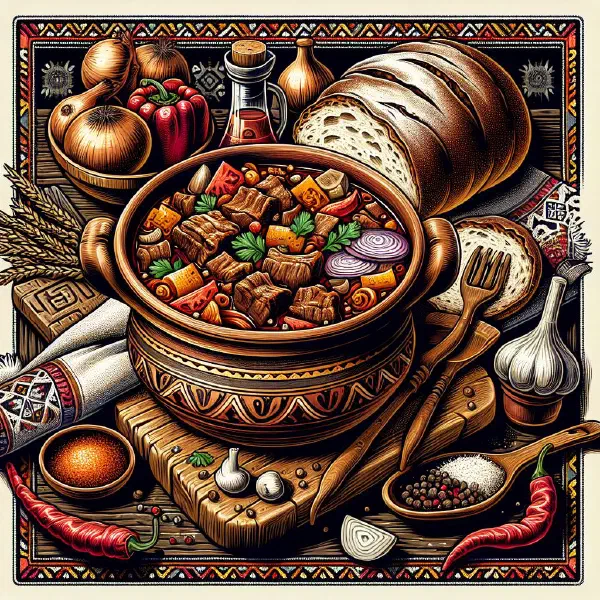
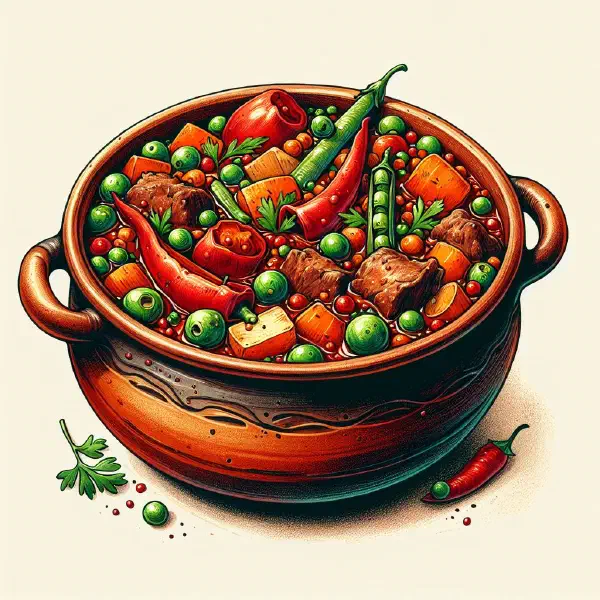
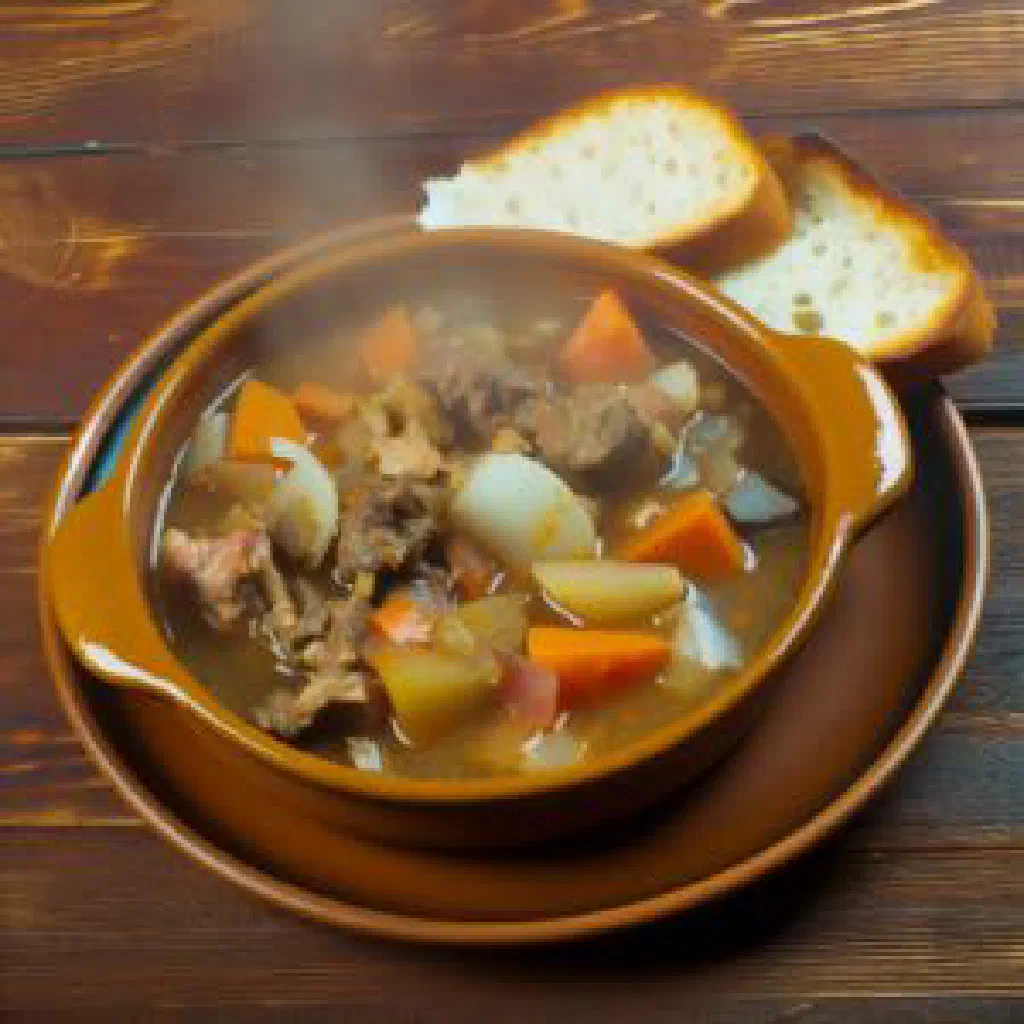
Meet Kavardak, a gloriously savoury Bulgarian casserole of slow-cooked meat, sweet peppers and root vegetables. Warm with paprika and cumin, it is the sort of dish that fills the kitchen with the smell of a proper family meal long before it reaches the table. It comes into its own in the colder months, when a single baking dish can feed a houseful of people, and taste even better the next day.
About Kavardak
Kavardak is a Bulgarian national dish prized above all for its hearty flavours and its combination of meat, vegetables and spices. It originally comes from the region around the city of Stara Zagora and has since established itself right across Bulgarian cooking. Making kavardak takes a certain amount of craft, but the result is a wonderful bake that is served just as happily at family suppers as at celebrations.
The mixture of tender meat, crisp vegetables and a generous range of spices means every mouthful offers a genuine burst of flavour. In the colder months especially, kavardak is a firm favourite, radiating warmth and comfort. It brings together the typical ingredients of Bulgarian cooking and regional traditions handed down over generations, much like the slow-braised Kavarma it is often compared with.
Ingredients (serves 1–2)
- 500g beef or pork
- 2 medium onions
- 2 carrots
- 1 red pepper
- 200g potatoes
- 2–3 garlic cloves
- 1 teaspoon paprika
- 1 teaspoon cumin
- Salt and pepper to taste
- Olive oil
- 1 cup stock
Shopping for the ingredients
When buying the ingredients for kavardak, it is important to pay attention to the quality of the produce. Fresh meat from a trusted butcher guarantees a tender, flavourful end result. The vegetables should be fresh and crisp too, so they release their best flavours. Where you can, choose local produce to underline the authenticity of the dish.
Do not overlook the spices either: paprika and cumin are essential to the characteristic taste of kavardak. Both are available in most supermarkets, and if you are after particular varieties it is worth a visit to a Balkan or Middle Eastern grocery.
Preparing the dish
Preparation is crucial to making sure your kavardak has the right texture and flavour. Start by cutting the meat into small pieces and marinating it with salt, pepper and the other spices. While that sits, peel and chop the vegetables into similar-sized pieces. Careful prep saves time during cooking and ensures everything cooks evenly.
It helps to sort the vegetables by how they cook. Some ingredients, such as the onions and peppers, soften quickly, while potatoes and carrots need a little longer. Once everything is neatly prepared, you are ready for the next stage.
Step-by-step instructions
- Preheat the oven to 180°C.
- Heat a little olive oil in a large pan and brown the meat on all sides until nicely coloured.
- Add the onions and garlic and sauté for a few minutes until the onions turn translucent.
- Tip in the remaining diced vegetables and fry them briefly.
- Pour in the stock and let everything simmer for a few minutes.
- Transfer the mixture to a baking dish and bake in the preheated oven for 30–40 minutes.
- Let the dish rest briefly before serving so the flavours can settle.
Gluten-free / lactose-free version
One of the great things about kavardak is how easily it can be made gluten-free. Simply make sure you use gluten-free stock and spice blends. If you are cooking lactose-free, olive oil in place of butter is ideal. These adjustments make kavardak a delicious choice for anyone with intolerances, without compromising the wonderful flavour.
If you are avoiding gluten, you can also add other vegetables or pulses for extra nutrients. Quinoa or red lentils work particularly well and help keep the dish hearty and satisfying.
Tips for vegans and vegetarians
For vegans and vegetarians it is very straightforward to turn kavardak into a plant-based dish. Instead of meat, use tofu or seitan, both of which give the bake a similar texture. A mixture of different vegetables such as aubergine, courgette and beans is also perfect for guaranteeing the savoury depth this dish is known for.
Another tip is to use vegetable stock and add seasonings such as soy sauce or vegan Worcestershire sauce to intensify the umami notes. That way kavardak becomes a delicious, satisfying meal that suits vegan and vegetarian guests alike, in the same spirit as the meat-free Gyuvech.
More tips and tricks
A few simple tricks make cooking kavardak easier. If you want to be certain the potatoes are perfectly cooked, cut them smaller or blanch them briefly before adding them to the bake. A covered baking dish helps retain moisture and keeps the meat tender.
And do not throw away the leftovers. Kavardak often tastes even better the following day, once the flavours have had time to develop. Simply reheat the bake in the oven or the microwave for a quick and tasty meal.
Adapting the recipe to your taste
The beauty of kavardak is how adaptable it is. Depending on your own preferences you can vary the spices or add extra ingredients to shape the dish around your taste. Try different vegetable combinations, or add fresh herbs such as thyme or rosemary for a brighter note.
The type of meat can be varied too. Instead of beef or pork you might try poultry for a lighter bake. That flexibility makes kavardak a versatile dish capable of satisfying just about any preference.
Ingredient substitutions
If some of the ingredients are not to hand or simply do not appeal, they are easy to swap out. In place of potatoes you could use sweet potatoes, which lend a gentle sweetness. The choice of vegetables is easily altered as well, broccoli or cauliflower add extra nutrients and flavour, and roasted peppers work beautifully if you also enjoy Liutenitsa.
For anyone interested in a lighter version, reduce the amount of oil or cook the dish in a non-stick dish to keep the fat down. Adjustments like these let you make kavardak entirely to your own taste and requirements.
Drink pairing ideas
A hearty dish like kavardak calls for a fruity red wine, though homemade lemonade with a squeeze of lemon or a refreshing herbal tea also work very well. For something stronger, a small glass of Rakiya is the traditional Bulgarian choice.
A light water infused with mint and cucumber makes a fine refresher too, without masking the flavour combination of the kavardak.
Serving and presentation ideas
Presentation is the key to a successful meal. Serve kavardak straight from the baking dish and garnish it with fresh herbs such as parsley or dill for a touch of colour and freshness. An attractive tablecloth and some stylish tableware also help show the dish off to its best.
Remember to put out small bowls of accompaniments, such as yoghurt or a hot sauce, so everyone can season to taste. A crisp Shopska Salata on the side is another classic touch. These small details create an inviting atmosphere your guests are sure to appreciate.
A bit of history
Kavardak has a long tradition in Bulgarian cuisine and is often associated with celebrations and special occasions. Originally it was made by farmers who wanted to get the most flavour and nutrition out of local ingredients. Over time it took on a particular cultural significance and today it is a symbol of hospitality and togetherness within Bulgarian cuisine.
Recipes vary from region to region and are often family secrets passed down through the generations. That aspect makes cooking kavardak a special experience, since you are not merely focusing on technique but honouring a tradition.
More recipe ideas
Summary: Kavardak
In short, kavardak is a hearty bake that brings together the best flavours of Bulgarian cooking. With its combination of tender meat, fresh vegetables and aromatic spices, it is the perfect dish for sociable evenings or festive occasions. It is simple to prepare and easily adapted to different tastes and dietary needs.
Let Bulgarian cooking inspire you and give this delicious recipe a try. You will not be disappointed.