National Dish Bulgaria: Khash (Recipe)
In this article
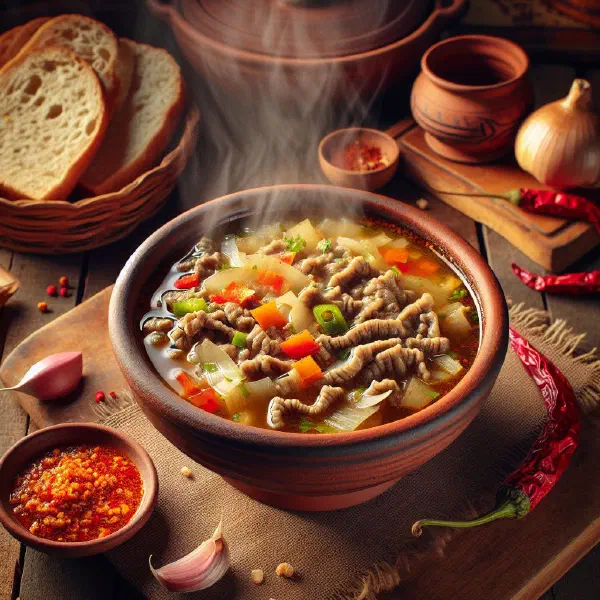
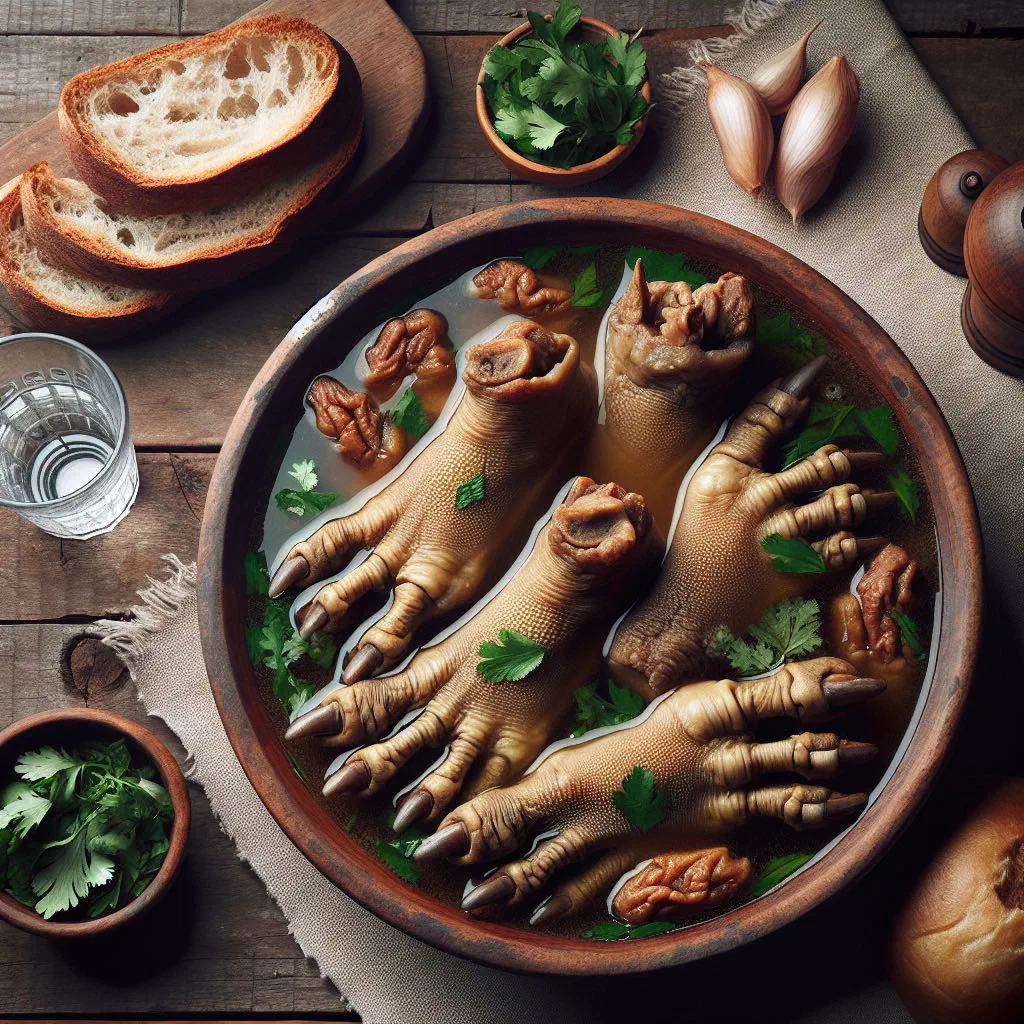
Meet Khash, the deeply warming bone broth that Bulgarians turn to when the winter wind bites. Made by simmering beef or lamb bones for the best part of a day, it yields a rich, naturally gelatinous stock that is as nourishing as it is comforting. Sharpened with plenty of garlic and showered with fresh herbs, it is served piping hot with crusty bread and a dish of pickles. Few dishes say “slow down and sit at the table” quite so convincingly.
About Khash
Khash is a much-loved traditional dish from Bulgaria that comes into its own during the colder months. It is a hearty stew built from beef or lamb bones, simmered for hours until the liquid turns into a rich, gelatinous broth that is both nutritious and full of flavour. Khash is usually finished with a generous amount of garlic and a handful of fresh herbs, which give it its unmistakable character and lift the deep, meaty base.
Ingredients (serves 1–2)
- 500 g beef or lamb bones
- 2 litres water
- 5–6 cloves garlic
- 1 bunch fresh parsley
- 1 bunch dill
- Salt to taste
- Pepper to taste
- Pickled vegetables (capers or gherkins, for example)
- Fresh bread, to serve
Shopping for the ingredients
For khash it is essential to choose good-quality bones, since they form the entire foundation of the broth. Seek out a local butcher who works with fresh, well-handled meat and can supply marrow-rich cuts. Pick up fresh herbs such as parsley and dill at the same time, as they make an enormous difference to the finished dish. Pickled vegetables and a good loaf of bread belong on your shopping list too, to round the meal off properly.
Preparing the dish
Preparation for Khash begins with cleaning the bones thoroughly. It is worth blanching them briefly to remove any impurities and give you a clearer, cleaner-tasting broth. After that, place the bones in a large pot and cover them with cold water. Getting this stage right is what allows the broth to develop its full flavour during the long, slow cook that follows.
Step-by-step instructions
- Put the bones into a large pot and cover them with cold water.
- Bring the mixture to the boil, then reduce the heat right down.
- Let the broth simmer for at least 6–8 hours to extract every bit of aroma.
- Add the garlic and fresh herbs towards the end of the cooking time.
- Strain the broth through a fine sieve and ladle the gelatinous liquid into bowls.
- Serve with pickled vegetables and fresh bread.
Gluten-free / lactose-free version
Khash is naturally gluten-free and lactose-free, since the main ingredients are simply meat and vegetables. Just check that everything you serve alongside it, the pickled vegetables in particular, is also free from gluten, and swap the bread for a gluten-free loaf. That way everyone can enjoy the warming, nourishing experience this dish offers without worrying about intolerances.
Tips for vegans and vegetarians
While Khash is traditionally built on animal products, vegans and vegetarians can create their own plant-based version. Instead of bones, use a well-made vegetable stock together with a broad mix of vegetables to reach a comparable depth of flavour. Lentils or chickpeas added to the base give the stew real body and substance, much as beans do in Bob Chorba. Fresh herbs and spices remain just as important to the aroma here.
More tips and tricks
Cooking Khash calls for patience. The long simmering time is what draws the flavour out, so resist the urge to rush it; a slow cooker is a useful shortcut if you would rather not watch the pot. The broth keeps beautifully in the fridge for several days, and the flavours often intensify overnight once the dish has had time to rest. Taste as you go and adjust the seasoning whenever it needs it.
Adapting the recipe to your taste
The recipe for khash is easy to adjust to personal preference. A few hot peppers or additional aromatic herbs can make the broth livelier still, in the spirit of the pepper-forward Liutenitsa. Give your creativity free rein and you will end up with a version that is entirely your own.
Ingredient substitutions
If some of the traditional ingredients for khash prove hard to find, there are useful alternatives. Beef or lamb bones can be swapped for chicken bones, which produce a lighter, quite different flavour profile. Dried herbs will stand in for fresh ones at a pinch, though the brightness of fresh parsley and dill is hard to beat. The pickled vegetables can vary freely, letting you bring in whatever sharp, acidic notes you enjoy most.
Drink pairing ideas
A good bowl of Khash pairs handsomely with a full-bodied red wine, which echoes the savoury depth of the broth. Alcohol-free options work well too, a herbal tea or a sharp, sparkling lemonade both cut nicely through the richness. Traditionally, Bulgarians will sometimes serve a measure of homemade Rakiya alongside, which deepens the flavour and adds a distinctive edge. It is well worth experimenting to find your favourite combination.
Serving and presentation ideas
Presentation matters more than you might expect with khash. Serve the broth in deep bowls or traditional soup dishes and garnish with freshly chopped herbs. Set a slice of fresh bread and a small dish of pickled vegetables beside each portion to create an attractive, complete plate; a crisp Shopska Salata makes an excellent colourful companion. Aim for a pleasing balance of colours and textures to please your guests before they have taken a single spoonful.
A bit of history
Khash is deeply rooted in Bulgarian culture and closely bound up with particular traditions and festivals. In the past the dish was especially popular among agricultural labourers, who ate it after a long day in the fields. It was also frequently eaten on New Year’s Day to welcome in the coming year. These customs have kept khash firmly in place as one of the most cherished restorative dishes in Bulgarian cuisine, revered to this day for its warmth and nourishment.
More recipe ideas
Summary: Khash
All told, khash is a flavourful and genuinely nourishing dish that rewards the long cooking time and the use of fresh ingredients. Its deep aroma and rich, gelatinous broth bring welcome warmth to the cold months and draw people together around the Bulgarian table. Plant-based form, khash is a dish that can be enjoyed in many guises. Let this hearty stew inspire you and discover the flavour traditions of Bulgaria for yourself.