National Dish Bulgaria: Kozunak (Recipe)
In this article
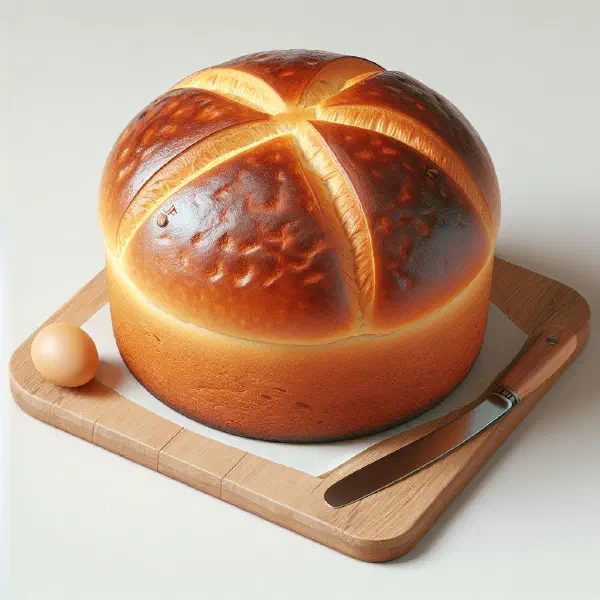
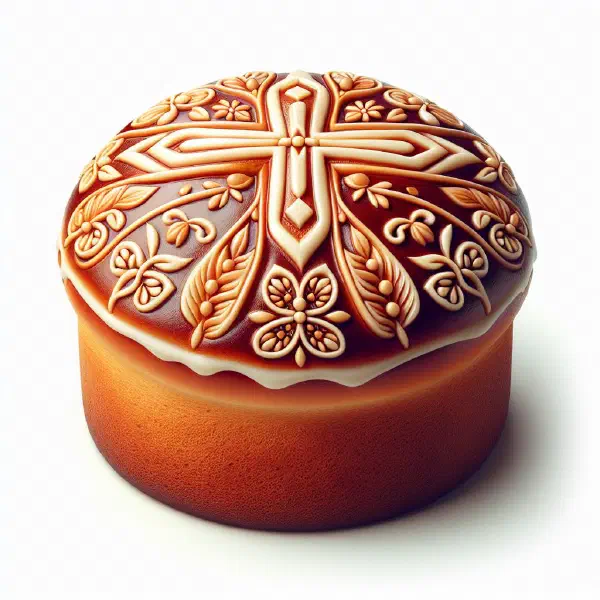
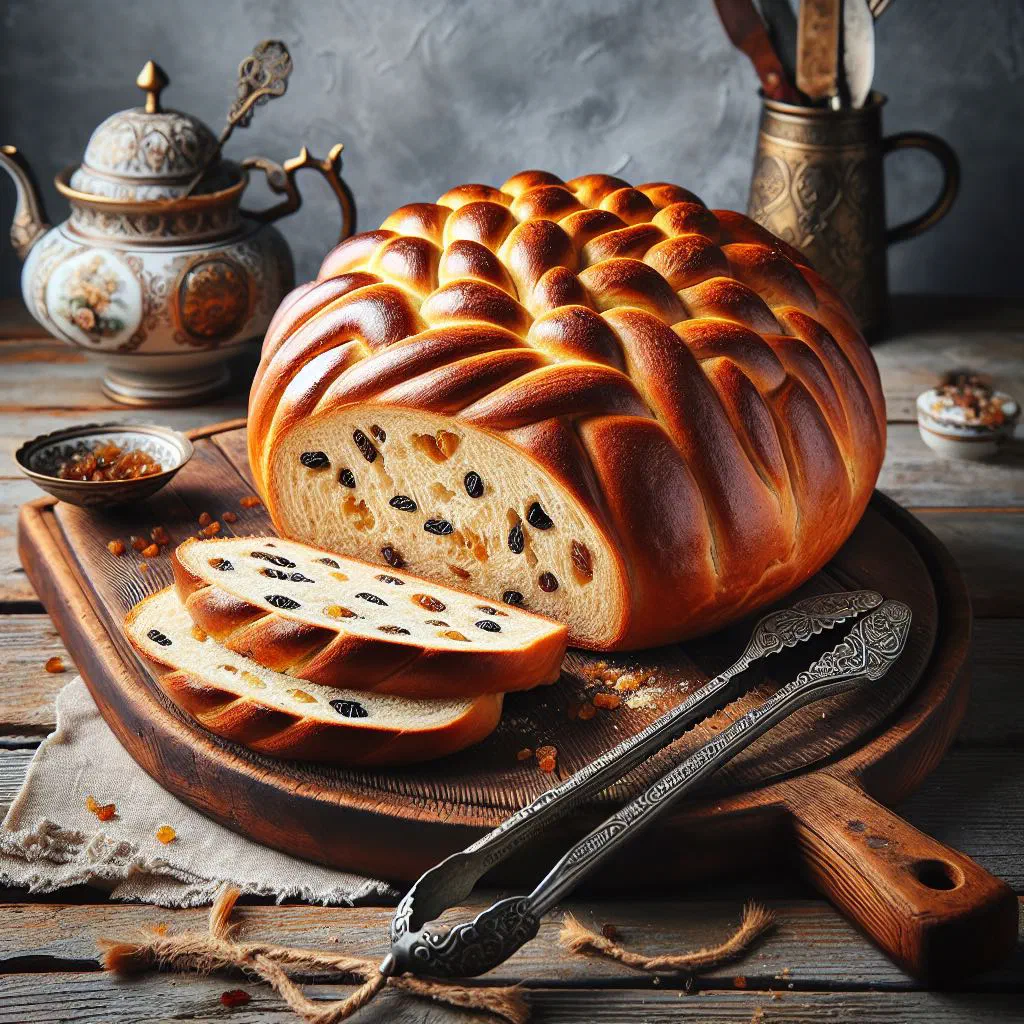
Few bakes say “spring in Bulgaria” quite like Kozunak, the sweet, feather-light Easter bread that fills kitchens with the scent of vanilla and lemon. Pulled apart in soft, silky strands and dotted with nuts and raisins, it marks the end of the fast and the start of something new. Baking it at home is a slow, rewarding ritual, and the reward is a loaf that tastes of celebration.
About Kozunak
Kozunak is far more than an Easter bread; it is a symbol of new beginnings and of family togetherness. This traditional Bulgarian loaf has a sweet, airy crumb and a very good aroma of vanilla and lemon zest. A filling of nuts and raisins gives the bake extra depth and a flavour you will not forget. In countless Bulgarian households, kozunak has been made for generations, which lends it a deep cultural meaning that goes well beyond the table.
Ingredients (serves 1–2)
- 500 g plain flour
- 200 ml milk
- 100 g sugar
- 3 eggs
- 100 g butter
- 1 sachet dried yeast
- 1 teaspoon vanilla extract
- 1 lemon (zest only)
- 100 g chopped nuts
- 100 g raisins
- A pinch of salt
Shopping for the ingredients
Choosing the right ingredients matters a great deal when you bake kozunak. A local supermarket or a good health-food shop is the best place to find fresh, high-quality basics. Make sure the flour and the yeast are fresh, as both are decisive for the texture of the finished loaf. The nuts and raisins should be of good quality too, so that their flavour comes through clearly rather than getting lost in the sweet dough.
Preparing the dish
Before you start on the kozunak, thorough preparation makes all the difference. Bring every ingredient to room temperature first, particularly the butter and the eggs, cold ingredients slow the dough down and make it harder to work. Get an ovenproof tin ready for the bake, and clear enough worktop space to knead and shape comfortably. Bulgarian baking rewards patience, much as the slow-cooked dishes of Bulgarian cuisine do.
Step-by-step instructions
- Dissolve the yeast in warm milk and leave to stand for about 10 minutes.
- In a large bowl, combine the flour, sugar, salt, grated lemon zest, vanilla extract, butter and eggs.
- Work in the yeast and milk mixture a little at a time until you have a smooth, even dough.
- Leave the dough to rise in a warm place for 1–2 hours, until doubled in size.
- Knead the nuts and raisins into the risen dough.
- Transfer the dough to the prepared tin and leave to prove for a further 30 minutes.
- Bake in a preheated oven at 180°C for around 30–40 minutes, until the kozunak is golden brown.
Gluten-free / lactose-free version
If you eat gluten-free, the recipe adapts well: simply use a good gluten-free flour blend made for enriched doughs. Check that the remaining ingredients, such as the milk and butter, are lactose-free as well. In place of dairy milk you can use plant-based alternatives like almond or oat milk. These small swaps preserve the traditional aroma and the characteristic structure of kozunak, even for bakers with particular dietary needs.
Tips for vegans and vegetarians
For a vegan kozunak, replace the eggs with apple sauce or soaked linseed, and use a good-quality plant-based margarine instead of butter. Handled carefully, the loaf still turns out fluffy and delicious, with the same tender pull-apart crumb. Do check that your nuts and raisins are free from added animal-derived glazes so you can enjoy the full range of flavours with a clear conscience.
More tips and tricks
A few practical tips make baking kozunak considerably easier. Keeping the dough warm throughout its rest encourages better gluten development and a lighter crumb. Preheat the oven properly before the loaf goes in, so the baking temperature stays even from the first minute. And resist the urge to open the oven door mid-bake, as the sudden draught can make the risen dough collapse.
Adapting the recipe to your taste
Kozunak is easy to tailor to your own preferences. Add extra spices such as cinnamon or cloves for a warmer, more festive note. The filling can be varied too: try almonds, or fold in chocolate for a richer version that children tend to love. Bulgarian bakers apply the same creative spirit to sweet pastries such as Tikvenik, so experiment freely until you find your perfect loaf.
Ingredient substitutions
Several ingredients in the traditional recipe can be swapped out. The sugar works well replaced by honey or agave syrup, while the flour can be substituted with spelt or wholemeal flour for a nuttier character. For extra flavour, try dried fruit such as apricots or dates in place of some of the raisins. Adjustments like these keep the kozunak interesting both in taste and in nutritional terms, and the same flexibility applies to layered bakes like Banitsa.
Drink pairing ideas
Plenty of drinks go beautifully with a slice of traditional kozunak. A fresh fruit juice, orange or apple, harmonises wonderfully with the sweet, buttery crumb. For something more celebratory, serve a light white wine or a glass of sparkling wine; a small measure of Rakiya is the traditional Bulgarian choice for the grown-ups at the table. Any of these round off an Easter meal nicely.
Serving and presentation ideas
How you present kozunak adds a great deal to the pleasure of eating it. Serve the loaf on a handsome porcelain plate and garnish with fresh fruit or a scattering of herbs for a pretty contrast. A delicate glaze brushed over the top gives the bread an extra touch of elegance and a lovely shine. Arrange the slices neatly rather than piling them up, and your family and guests will reach for them all the sooner.
A bit of history
The story of kozunak reaches back into Bulgarian folklore and is bound up with the celebration of Easter. It is traditionally baked to mark the end of the fasting period and to represent renewal and a fresh start. Many families guard their own particular recipe, handed down from generation to generation and tweaked along the way. Kozunak is not merely a bake but a genuine part of Bulgarian identity, standing alongside savoury classics such as Sarmi in the national repertoire.
More recipe ideas
Summary: Kozunak
Kozunak is a delicious and deeply traditional Bulgarian Easter bread, rich in both aroma and cultural meaning. Its sweet, airy texture and tender filling make it a memorable thing to eat and an even better thing to share. With this recipe you can pleasure family and friends while bringing a piece of Bulgarian culture into your own kitchen. Try different variations, and enjoy those gentle vanilla and citrus notes whenever the occasion calls for something special.