National Dish Bulgaria: Liutenitsa (Recipe)
In this article
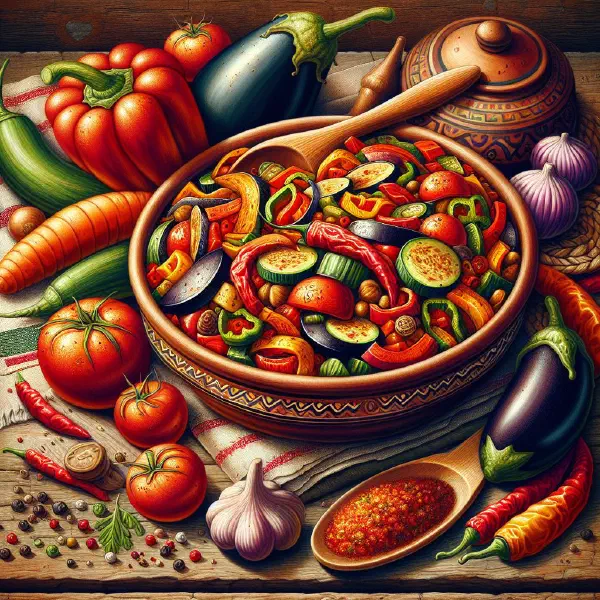
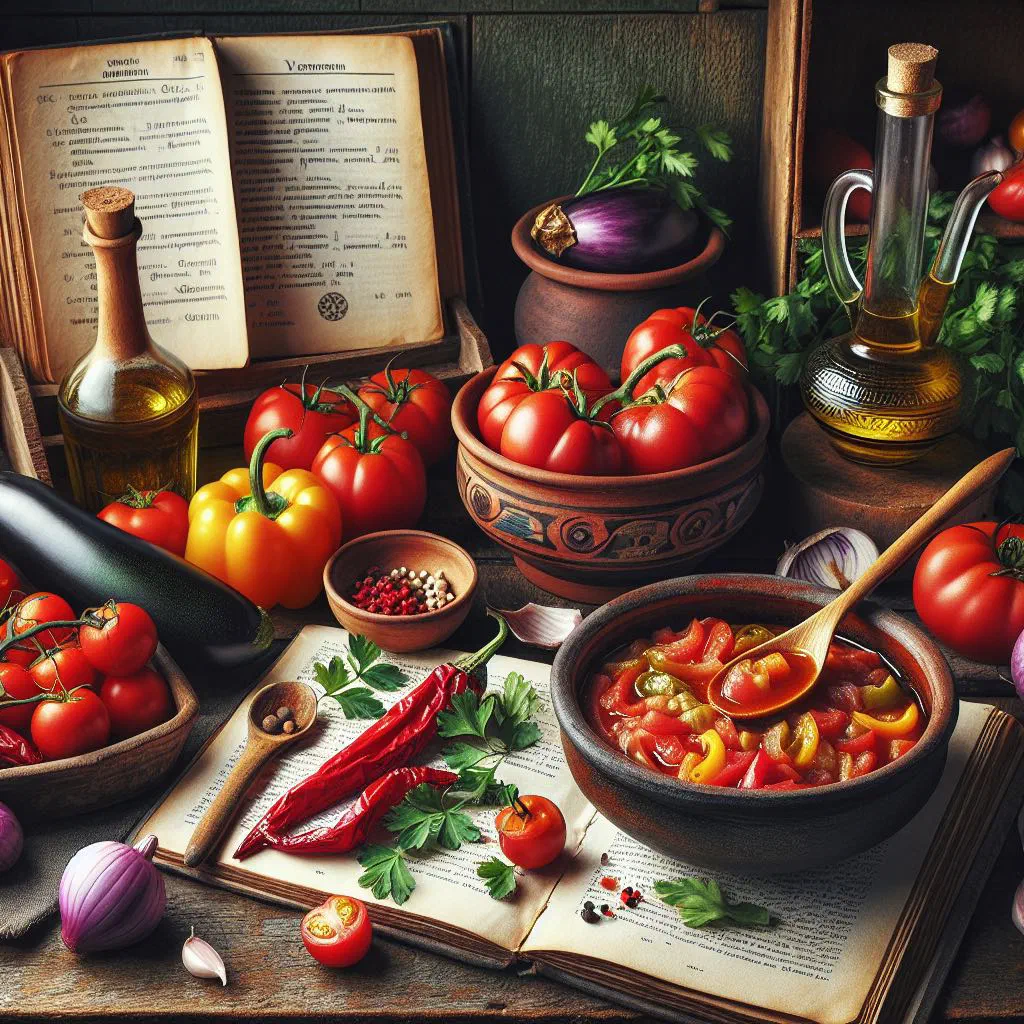
Meet Liutenitsa, the glowing red pepper relish that Bulgarian kitchens simply cannot do without. Sweet roasted peppers, ripe tomatoes and plenty of garlic are cooked down into a thick, smoky spread that tastes of late summer. Spoon it onto warm bread, serve it as a dip beside grilled meat, or stir it through vegetables. It makes almost anything better. A jar of it in the fridge is one of the easiest ways to bring Bulgaria to your table.
About Liutenitsa
Liutenitsa is far more than a simple condiment; it captures the bright culture of Bulgaria and its distinctive flavours. Its main components, roasted peppers and tomatoes, give it a deep, rounded taste and a wonderfully vivid colour. In many Bulgarian households liutenitsa is treated as an everyday staple, and it is often made in large batches during the harvest season. With its savoury, fruity character it is both a cupboard essential and a favourite alongside festive spreads such as Meshana Skara.
Ingredients (serves 1–2)
- 2 large red peppers
- 2 medium tomatoes
- 2–3 cloves of garlic
- 1 tablespoon olive oil
- 1 teaspoon paprika (smoked)
- Salt and pepper, to taste
- 1 teaspoon sugar (optional, to balance the acidity)
Shopping for the ingredients
The ingredients for liutenitsa are easy to find in most supermarkets or at a local market. When choosing your peppers, look for firm, glossy skins, a reliable sign of good quality. Fresh tomatoes matter just as much for the flavour, so pick them with care. If you are after a truly authentic taste, try a local market, where you may also come across unusual pepper varieties worth experimenting with.
Preparing the dish
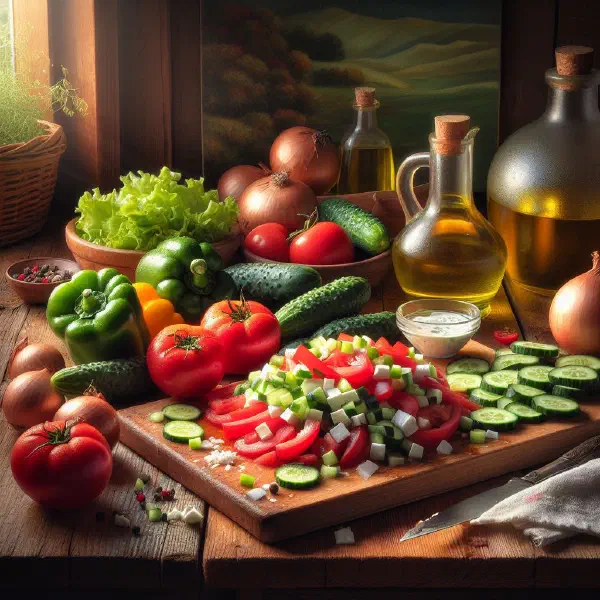
Before you start cooking liutenitsa it is important to prepare everything properly. The peppers should be washed and then roasted over an open flame or in the oven until the skins are lightly blackened. This is what gives the paste its delicious smoky depth. Once roasted, cover the peppers in a bowl with a lid for a few minutes so the skins loosen and slip off easily. The tomatoes only need washing and quartering, while the garlic cloves should be peeled and chopped to your liking.
Step-by-step instructions
- Roast the peppers until the skins are charred, then leave them to cool.
- Peel away the blistered skins and cut the peppers into pieces.
- Put the tomatoes and garlic into a blender, followed by the pepper pieces.
- Add the olive oil, paprika, salt, pepper and, if using, the sugar.
- Blend everything thoroughly until you have a smooth paste.
- Transfer the liutenitsa to a container and keep it in the fridge.
Gluten-free / lactose-free version
The great thing about liutenitsa is that it is naturally both gluten-free and lactose-free, so anyone with an intolerance can enjoy it without a second thought. It contains no processed ingredients either, which means you can be confident you are putting something fresh and wholesome on the table. Do check the labels carefully, though, if you are using any ready-made products such as jarred peppers or passata.
Tips for vegans and vegetarians
Liutenitsa suits vegan and vegetarian diets beautifully. Use the paste to enrich all sorts of dishes, spoon it over roasted vegetables or serve it as a dip with raw crudités. It is also a lovely way to add depth to your everyday cooking, much as you would with a fresh Snejanka Salata. The flavours work well not only with vegetables but with plant proteins such as pulses or tofu.
More tips and tricks
To perfect your liutenitsa, herbs and spices play a central role. Experiment with different kinds of paprika, or stir in fresh herbs such as basil or thyme. You can also adjust the amount of garlic and salt to match your own preferences. For a creamier texture, a splash of plant-based cream or a spoonful of cashew purée works surprisingly well.
Adapting the recipe to your taste
The liutenitsa recipe is easily modified to suit your palate. Some people prefer a hotter paste and add chilli or spicy peppers; others like it sweeter and use extra sugar or sweeter tomato varieties. A pinch of smoked salt can also take the paste in an entirely new direction.
Ingredient substitutions
If certain ingredients are not to hand, there are plenty of substitutions available. Instead of fresh tomatoes you can use tinned ones. Just choose a brand without preservatives. If fresh peppers are hard to find, jarred roasted peppers do the job nicely and bring their own pleasant flavour, much like the ones used in Chushki Burek. Be careful with the added salt, though, as jarred products are often seasoned already.
Drink pairing ideas
Liutenitsa pairs happily with a range of drinks. A light rosé or a crisp Bulgarian white wine goes wonderfully with the savoury paste. A sparkling lemonade or a homemade iced tea makes an equally good non-alcoholic partner. The undisputed king of pairings, however, is Bulgarian beer, whose refreshing edge complements the smoky flavours perfectly, as does a small glass of Rakiya.
Serving and presentation ideas
Presentation matters as much at the table as in the kitchen. Serve liutenitsa in an attractive bowl surrounded by freshly cut vegetables, bread or crackers. A scattering of fresh herbs as a garnish improves both the flavour and the look of the dish. The deep red of the paste stands out beautifully against colourful vegetables such as carrots and celery. An inviting arrangement makes the whole meal feel that much more generous.
A bit of history
The origins of liutenitsa reach far back into Bulgaria’s early history, when roasting peppers and cooking with local tomatoes were already common practice. Traditionally the paste is made in late summer and autumn, when the vegetable harvest is at its most abundant. In many Bulgarian households it is regarded as a true staple and is preserved in large quantities for the winter. It is a symbol not only of the tradition of preserving food but of the cultural identity behind Bulgarian cuisine as a whole.
More recipe ideas
Summary: Liutenitsa
Liutenitsa is a versatile and thoroughly delicious Bulgarian speciality that works just as well as a dip as it does alongside a main course. Made with fresh ingredients and a well-judged combination of flavours, it is straightforward to prepare and offers endless room for adaptation and variation. Whether vegan or vegetarian, liutenitsa fits almost any way of eating and makes for creative, flavourful meals. Explore its smoky, fruity nuances and bring a little of the magic of Bulgarian cooking into your own home.