National Dish Bulgaria: Tikvenik (Recipe)
In this article
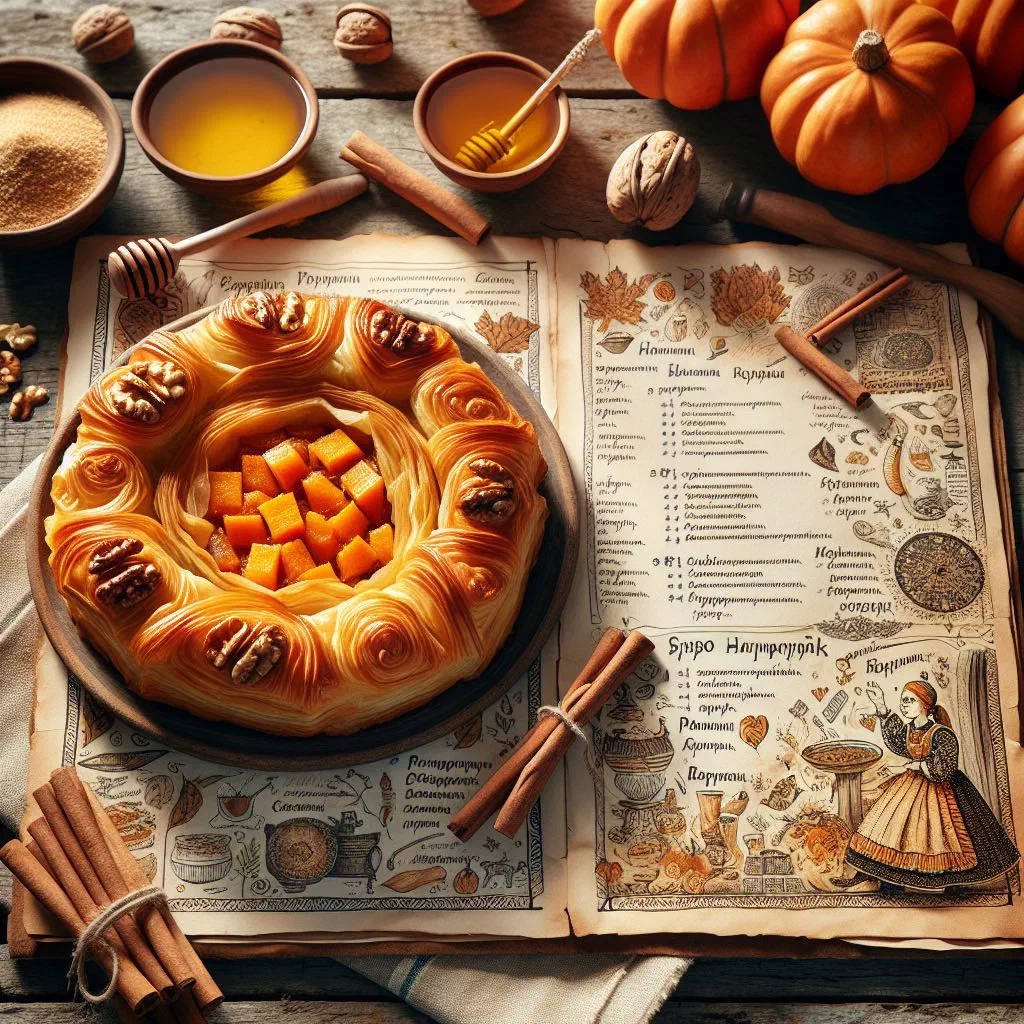
Meet Tikvenik, the sweet pumpkin pastry that Bulgarian households bake whenever the autumn nights draw in. Wafer-thin sheets of pastry are wrapped around a fragrant filling of grated pumpkin, crushed walnuts and warming cinnamon, then baked until crisp and burnished gold. Every slice carries a little of Bulgaria’s famous hospitality, and the smell alone is enough to bring the whole family into the kitchen.
About Tikvenik
Tikvenik is one of the best-loved sweet bakes in Bulgaria, prepared in countless family kitchens and passed down through generations. Its roots lie deep in Bulgarian folklore, and it brings the warm, homely flavours of the region straight to the table. The combination of fresh pumpkin, toasted nuts and aromatic cinnamon creates an unmistakable character that wins over locals and visitors alike. Each piece is not only a treat but a slice of culture, closely related to the savoury coiled pastries of Banitsa.
Ingredients (serves 1–2)
- 300 g fresh pumpkin
- 100 g walnuts
- 100 g sugar
- 1 teaspoon ground cinnamon
- 500 g pastry (shop-bought or homemade)
- 1 tablespoon oil or butter
- A pinch of salt
Shopping for the ingredients
For a really good tikvenik you want fresh, good-quality ingredients. Start with the pumpkin, which is the heart of the whole bake, choose a sweet, juicy variety so the filling has natural depth without needing extra sugar. The nuts matter just as much: buy them fresh, ideally still in their shells, because they give the pastry its crunch and a rich, buttery flavour. Most supermarkets will have everything you need in autumn, and a local market is often the best source of all.
Preparing the dish
Getting tikvenik ready happens in a few straightforward stages. First the pumpkin needs to be peeled, deseeded and coarsely grated, a box grater does the job perfectly well. The walnuts are then roughly chopped and mixed with the sugar and cinnamon to make the filling. These small preparations matter more than they might seem, because they allow the flavours to mingle properly and ensure every bite of the finished pastry is nicely balanced.
Step-by-step instructions
- Heat the oven to 180 °C and grease a baking tin.
- Combine the grated pumpkin with the sugar and walnut mixture.
- Roll the pastry out thinly on a lightly floured surface.
- Spread the pumpkin filling evenly over the pastry.
- Roll the pastry up and lay it in the tin.
- Brush with a little oil or melted butter.
- Bake for around 30–40 minutes, until golden brown.
Gluten-free / lactose-free version
Anyone avoiding gluten or lactose can still enjoy this bake. Use a good gluten-free flour blend in place of wheat flour. It works well for a thin, pliable pastry, especially with a spoonful of oil worked in. Any milk in the dough can be swapped for plant-based alternatives such as almond or oat milk. The flavour of the tikvenik stays exactly as it should be, while the dietary requirements are comfortably met.
Tips for vegans and vegetarians
Making tikvenik vegan takes almost no effort: simply replace the butter with a plant-based margarine and brush the pastry with oil instead. Do check that the pastry itself is free of animal products, as some shop-bought sheets contain egg or butter. The pumpkin filling needs no changes at all, since it is plant-based to begin with. With these small swaps the taste stays exactly the same and everyone at the table can tuck in.
More tips and tricks
To sharpen the flavour of the tikvenik still further, add a pinch of nutmeg to the filling. It gives the pastry an extra aromatic lift that makes all the difference. Dusting the cooled bake with icing sugar gives it a lovely finish, too. Serve it warm or at room temperature; both are delicious, and leftovers reheat beautifully in a low oven. If your pumpkin is very watery, squeeze the grated flesh gently before mixing so the pastry stays crisp.
Adapting the recipe to your taste
The great thing about tikvenik is how easily it bends to personal preference. Feel free to use different nuts, almonds or hazelnuts both work wonderfully and shift the flavour in interesting directions. The ratio of sugar to cinnamon can be adjusted as you like, so you can dial the sweetness up or lean more heavily into the spice. Some bakers coil the roll into a spiral in a round tin, echoing the shape of a Zelnik, which makes for a striking centrepiece.
Ingredient substitutions
If you find yourself short of an ingredient, there are practical alternatives. Instead of freshly grated pumpkin you can use tinned pumpkin purée, which speeds the preparation up considerably. Just drain off any excess liquid first. Cashews make a pleasant stand-in for walnuts, and a spoonful of honey can replace part of the sugar. Don’t be too rigid about the ingredient list; there is usually a creative solution that still delivers a great result.
Drink pairing ideas
Plenty of drinks sit well beside a slice of tikvenik. A glass of fresh fruit juice or an aromatic herbal tea complements the cinnamon and pumpkin beautifully. For festive occasions a full-bodied red wine or a frothy milky coffee sets exactly the right mood, and a small measure of Rakiya is the traditional Bulgarian choice. Experiment with different combinations to find your own favourite pairing.
Serving and presentation ideas
Presentation adds a great deal to the pleasure of eating tikvenik. Serve the pastry on a handsome platter and decorate it with fresh herbs or edible flowers for a touch of colour. A generous dusting of icing sugar over the top is the classic finish and never fails to look inviting. Cut it into neat diagonal slices so the spiral of filling shows, and offer it alongside a bowl of thick Kisel Mlyako for a gentle, tangy contrast.
A bit of history
Tikvenik has a long tradition in Bulgarian culture and is often served at festivals and special occasions, particularly around Christmas Eve and the harvest season. Pumpkin has long been regarded as a symbol of prosperity and abundance, which gives the bake a special standing within Bulgarian cuisine. The dish connects past and present, telling stories of families gathering around a table to share something made by hand. Today tikvenik is enjoyed far beyond Bulgaria’s borders and has found admirers all over the world.
More recipe ideas
Summary: Tikvenik
Tikvenik is a wonderful national dish that packs the flavours of Bulgaria into every bite. With its mixture of fresh pumpkin, nuts and cinnamon wrapped in delicate pastry, it offers an experience that is hard to match. Tikvenik is the perfect way to put Bulgarian hospitality and culinary tradition on your table. Let it inspire you, and enjoy every last crumb.