National Dish Burkina Faso: Bouillie de Mil (Recipe)
In this article
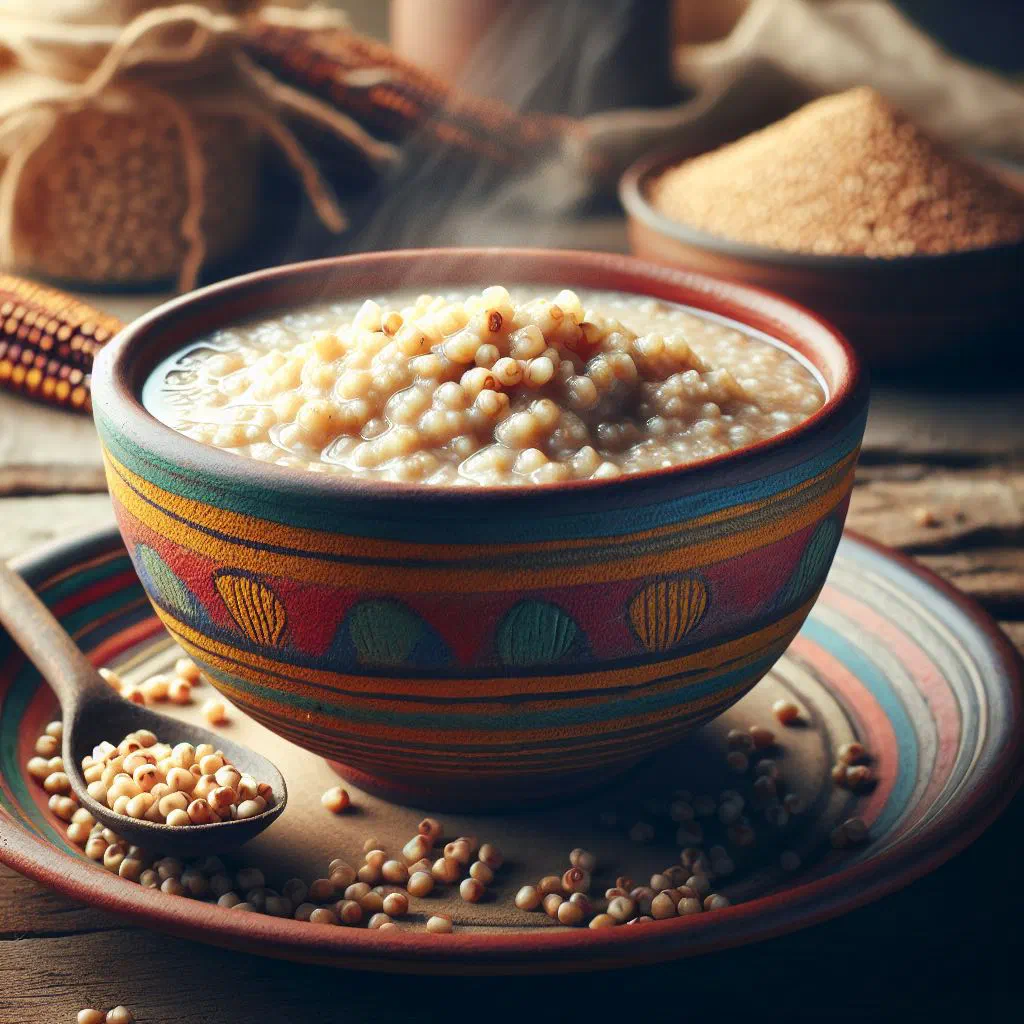
Meet Bouillie de Mil, the gentle, creamy millet porridge that starts the day across Burkina Faso. It is the sort of breakfast that asks very little of you, a handful of grain, a pan of water, a few quiet minutes at the stove, and gives back a bowl of warm, nourishing comfort. Sweetened with honey or sugar and finished however the mood takes you, it is a dish that has fed families for generations and still feels wonderfully modern.
About Bouillie de Mil
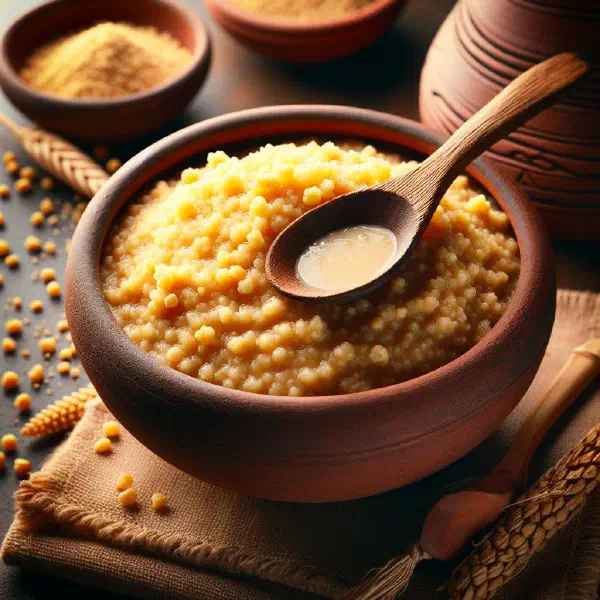
Bouillie de Mil is a traditional dish from Burkina Faso made from millet. It has a smooth, creamy consistency and can be served either warm or chilled, which makes it welcome in every season. Most households prepare it early in the morning, so the day begins with something both filling and delicious. Beyond being genuinely good for you, it is remarkably versatile: a handful of different toppings or a change of sweetener turns the same simple base into a different breakfast altogether.
Ingredients (serves 1–2)
- 100 g millet
- 500 ml water
- A pinch of salt
- Honey or sugar, to taste
- Optional: milk or a plant-based alternative
Shopping for the ingredients
The ingredients for Bouillie de Mil are available in most supermarkets and in health-food shops. Millet is the heart of the recipe and is best bought unhulled, as it retains far more of its nutrients that way. Choose good-quality grain wherever you can, since the true character of the dish depends almost entirely on it. If you have a local market nearby, it is well worth a visit for fresh produce and for the toppings you plan to serve alongside.
Preparing the dish
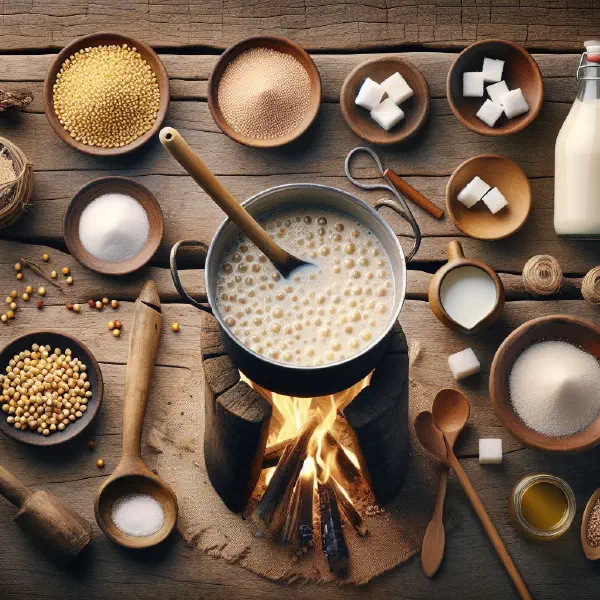
Before you start cooking, rinse the millet thoroughly to wash away dust and any stray grit. This is not only a matter of cleanliness. It noticeably improves the flavour of the finished porridge. Let the grain soak in water for a few minutes to shorten the cooking time. That small step makes a real difference, producing an even creamier result with no extra effort.
Step-by-step instructions
- Rinse the millet thoroughly and tip it into a saucepan.
- Add the water and bring to the boil.
- Reduce the heat and let the millet simmer until soft, around 15–20 minutes.
- Season to taste with salt, honey or sugar.
- If you like, stir in a little milk or a plant-based alternative to make the porridge creamier.
Gluten-free / lactose-free version
Bouillie de Mil is naturally gluten-free, as millet contains no gluten whatsoever. To make it lactose-free, simply swap cow’s milk for a plant-based alternative such as almond drink or oat milk. Both lend the porridge a similar creaminess and round out the flavour without any dairy at all. Do check that the honey or sugar you reach for is free from lactose-containing additives.
Tips for vegans and vegetarians
For vegans, Bouillie de Mil is an ideal dish, since it contains no animal products at all once you choose a plant-based sweetener. Skip the honey and use agave syrup or maple syrup instead. From there, enrich the bowl with fresh fruit, nuts or seeds for extra flavour and nutrition. These additions make the porridge more sustaining and give you plenty of room to ring the changes from one morning to the next.
More tips and tricks
The single most useful tip for Bouillie de Mil is to use fresh millet, which gives by far the best flavour. Store the grain somewhere cool and dry to keep it in good condition for longer. It is also worth experimenting with different sweeteners to discover how much they change the character of the bowl. The porridge makes an excellent base for creative variations too, whether with warming spices or whatever fruit is in season, much like the milky Millet Au Lait.
Adapting the recipe to your taste
Bouillie de Mil adapts to personal preference with almost no trouble. You can dial the sweetness up or down simply by using more or less honey or sugar. For a richer, more aromatic bowl, add cinnamon or a little vanilla. And if you enjoy experimenting, try different combinations of toppings, fresh fruit, yoghurt or nuts, to refine the dish in your own direction.
Ingredient substitutions
If you cannot find millet, quinoa or rice will give you a similar result. Both grains are nutritious and bring plenty of fibre to the bowl. For sweetness, apple purée or dates are worth trying, as they add a natural, mellow flavour. A mixture of dried fruit and nuts scattered over the top enriches both texture and taste, in the same spirit as the cultured-milk classic Lait Caille Au Mil.
Drink pairing ideas
Freshly pressed juices and herbal teas go beautifully with Bouillie de Mil. Plain ginger tea or camomile tea makes a harmonious companion and helps the digestion along; a glass of Jus De Gingembre does the same job with rather more punch. A tall glass of cold water with lemon is another refreshing choice. Drinks like these underline the flavours of the porridge and round the meal off nicely.
Serving and presentation ideas
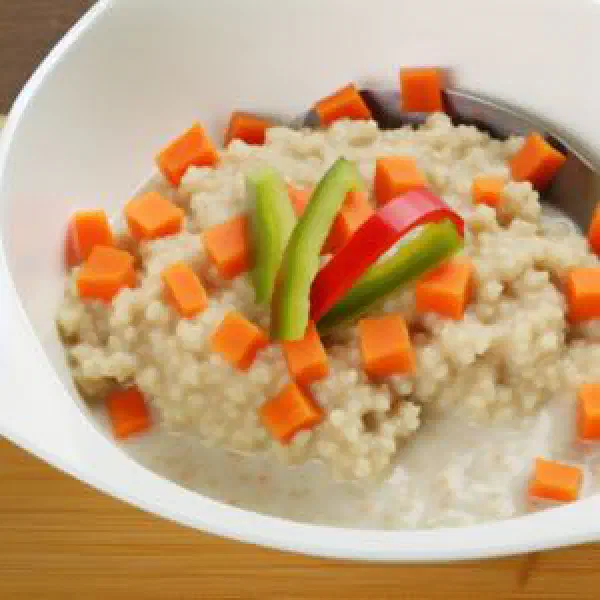
To present Bouillie de Mil attractively, use bowls in contrasting colours or textures. Add fresh fruit or nuts as a topping to create some visual interest. A decorative pinch of cinnamon or a drizzle of honey across the surface also does a great deal for the look of the bowl. That small amount of care makes the dish not only delicious but genuinely inviting.
A bit of history
Bouillie de Mil has its origins in the traditional kitchens of West Africa, where millet has long been prized as a staple grain. It is a simple but deeply nourishing dish that has served as everyday sustenance for centuries. In Burkina Faso it is often made in large quantities and shared with the whole family. Preparing and eating it is an important thread in the country’s food culture and in its celebrations, alongside staples such as To and the wider world of Burkinabè cuisine.
More recipe ideas
Summary: Bouillie de Mil
Bouillie de Mil is a delicious, nourishing dish that is easy to make and endlessly open to adaptation. It works perfectly as a breakfast or a snack and brings a taste of West Africa into your own kitchen. With fresh ingredients and a few creative ideas, you can vary this traditional recipe to suit exactly how you like it. Treat yourself to this cultural staple and enjoy the many good things it has to offer.