National Dish Burkina Faso: Farine de Manioc (Recipe)
In this article
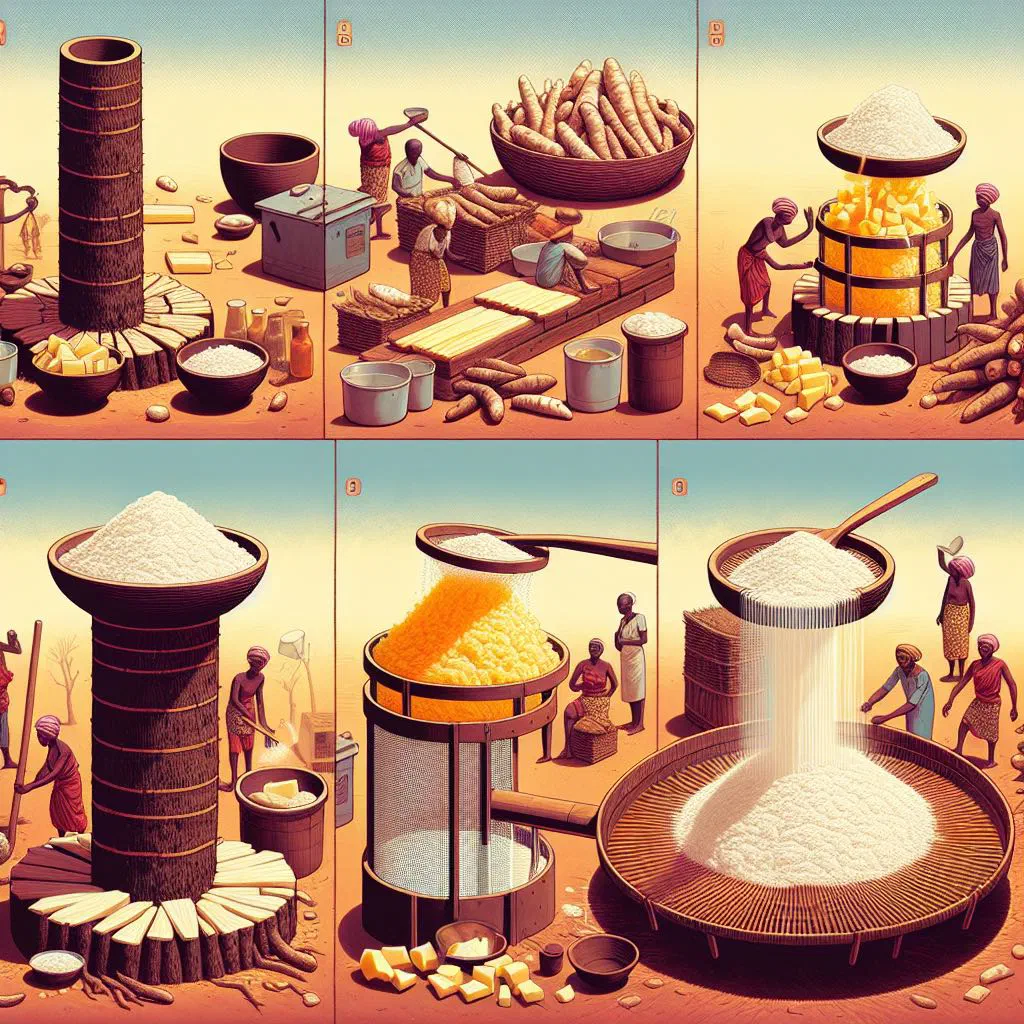
Meet Farine de Manioc, the humble cassava-flour staple that anchors countless meals across Burkina Faso. Made from little more than flour, water and a pinch of salt, it turns into a smooth, comforting base that soaks up rich stews and sauces beautifully. It is quick, forgiving and naturally free from gluten and dairy. Proof that a handful of simple ingredients can carry an entire culinary tradition. Bring a taste of West Africa to your own kitchen with just one pan and a wooden spoon.
About Farine de Manioc
Farine de Manioc is a traditional dish built around cassava flour, deeply valued in Burkina Faso and across the wider West African region. Its foundation is the cassava root, a starchy tuber rich in carbohydrates and nutrients that has fed the tropics for centuries. Farine de Manioc most often appears as a side dish alongside hearty stews, though it stands perfectly well on its own as a main course. Because the method is so straightforward, anyone can enjoy the flavours of Burkinabè cooking at home.
Ingredients (serves 1–2)
- 1 cup cassava flour
- 2 cups water
- A pinch of salt
- 1 tablespoon oil (optional)
Shopping for the ingredients
The ingredients for Farine de Manioc are available in most African or Asian grocery shops. Cassava flour in particular comes in several forms, from pre-cooked varieties to entirely raw ones, so it is worth checking which you are buying. Pay attention to the shelf life and general quality of the flour, as this makes a noticeable difference to the finished texture. If no specialist shop is within reach, most of these ingredients can also be ordered online.
Preparing the dish
Before you start cooking Farine de Manioc, it pays to have everything laid out and ready. Alongside the ingredients themselves, set out a decent saucepan and a sturdy stirring spoon. Keep an eye on the water temperature, since it directly governs how the flour swells and cooks. Then measure out the cassava flour and water in the correct proportions so the mixture comes together smoothly.
Step-by-step instructions
- Bring 2 cups of water to the boil in a saucepan.
- Reduce the heat and add a pinch of salt.
- Pour the cassava flour into the water slowly, stirring constantly to prevent lumps.
- Cook the mixture for 5–10 minutes, stirring without pause, until it reaches a smooth consistency.
- Optional: stir in a tablespoon of oil and mix thoroughly.
Gluten-free / lactose-free version
Farine de Manioc is naturally gluten-free and lactose-free, which makes it an excellent choice for anyone living with those intolerances. Do check that every ingredient you use, the cassava flour and the oil in particular, is certified free from gluten. Read the packaging carefully before buying, as cross-contamination in milling is not unheard of. Sticking to fresh, natural ingredients keeps the dish wholesome and easy to digest.
Tips for vegans and vegetarians
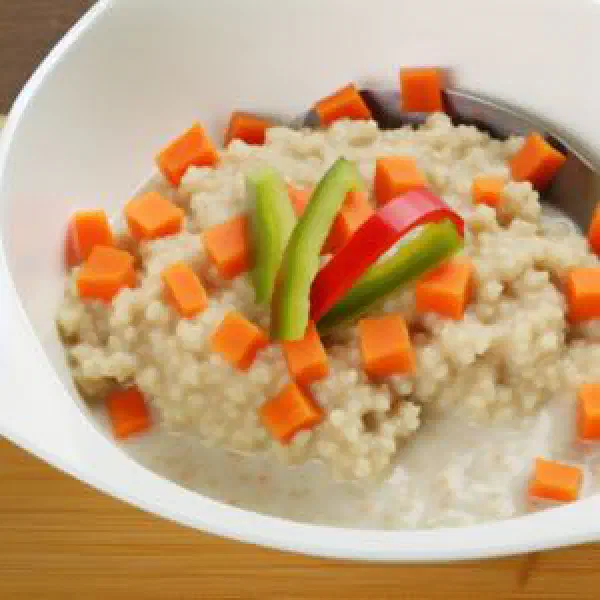
Farine de Manioc suits vegans and vegetarians without any changes at all, since it contains no animal products whatsoever. To make it more nourishing, fold in extra vegetables such as spinach or carrots, which sit happily alongside the mild flavour of the flour and add welcome vitamins and minerals. Vegans can serve it with plant-based sauces or stews to deepen the taste, a spoonful of Sauce Gombo is a classic partner.
More tips and tricks
The single most important trick with Farine de Manioc is constant stirring while it cooks. This stops the base from catching and gives you an even, silky consistency throughout. Beyond that, feel free to experiment with different spices to give the dish a personal signature. Fresh herbs such as parsley or coriander can be stirred through at the end for a lift of freshness and colour.
Adapting the recipe to your taste
Farine de Manioc is a versatile dish that adapts readily to individual preferences. Look for the spices and accompaniments you enjoy most and try different combinations until something clicks. You might make it hotter with a spoonful of chilli powder, or take it in a sweeter direction by serving it with fruit. The aim is simply to build a plate that matches your own palate.
Ingredient substitutions
If cassava flour proves hard to track down, rice flour or maize flour both make credible alternatives. Each brings its own aroma and texture, which can round the dish out in interesting ways, maize in particular echoes the flavour of a Galette De Mais. Do adjust the quantities as needed, since different flours absorb water at different rates. Experiment with several options to find the version that works best for you.
Drink pairing ideas
Light, refreshing drinks are the natural match for Farine de Manioc. Fruit juices such as pineapple or mango bring a bright note that cuts through the starchiness beautifully, and a tart glass of Jus De Bissap does the same job with real local character. A cool lager also works well if you want something with a little more body. For an alcohol-free option, mint tea or a homemade fruit cooler is ideal.
Serving and presentation ideas
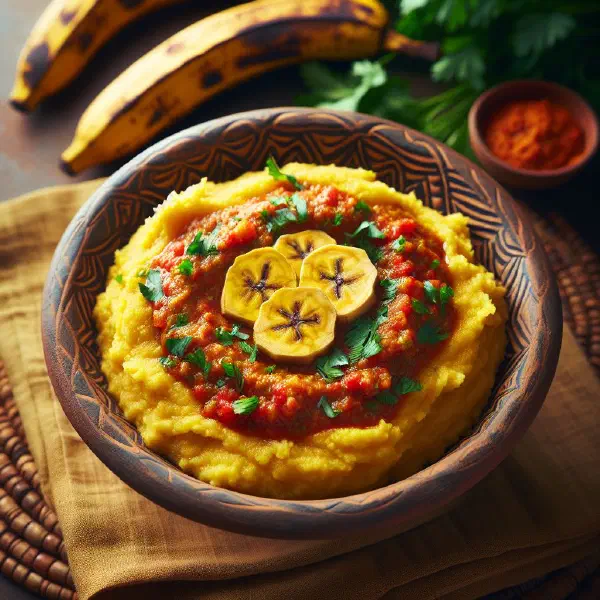
How you serve the dish makes a genuine difference to the pleasure of eating it. Present Farine de Manioc in an attractive bowl whose colour sets off the pale flour. Garnish with fresh herbs or a bright tangle of fried vegetables to create visual interest on the plate. A thoughtful presentation catches your guests’ attention and lifts the whole atmosphere of the meal.
A bit of history
Farine de Manioc has a long lineage in West African cooking and holds a particular place in Burkina Faso. The dish grew out of the use of cassava, a plant cultivated across tropical regions for centuries and prized for thriving where little else will. Cooking with cassava flour reflects regional culinary technique and shows just how central this crop is to local culture, a role it shares with the millet and sorghum staples of Burkinabè cuisine. The result is not merely filling but a genuine part of the region’s identity and table.
More recipe ideas
Summary: Farine de Manioc
Farine de Manioc is a traditional Burkinabè dish that is simple to prepare and thoroughly satisfying to eat. With only a few ingredients you can put together something that is nourishing and culturally significant in equal measure. Its many adaptations, together with the fact that it is naturally gluten- and lactose-free, make Farine de Manioc an ideal choice for a wide range of diners. Let the flavours of West Africa tempt you and give it a go.