National Dish Burkina Faso: Gâteau de Manioc (Recipe)
In this article
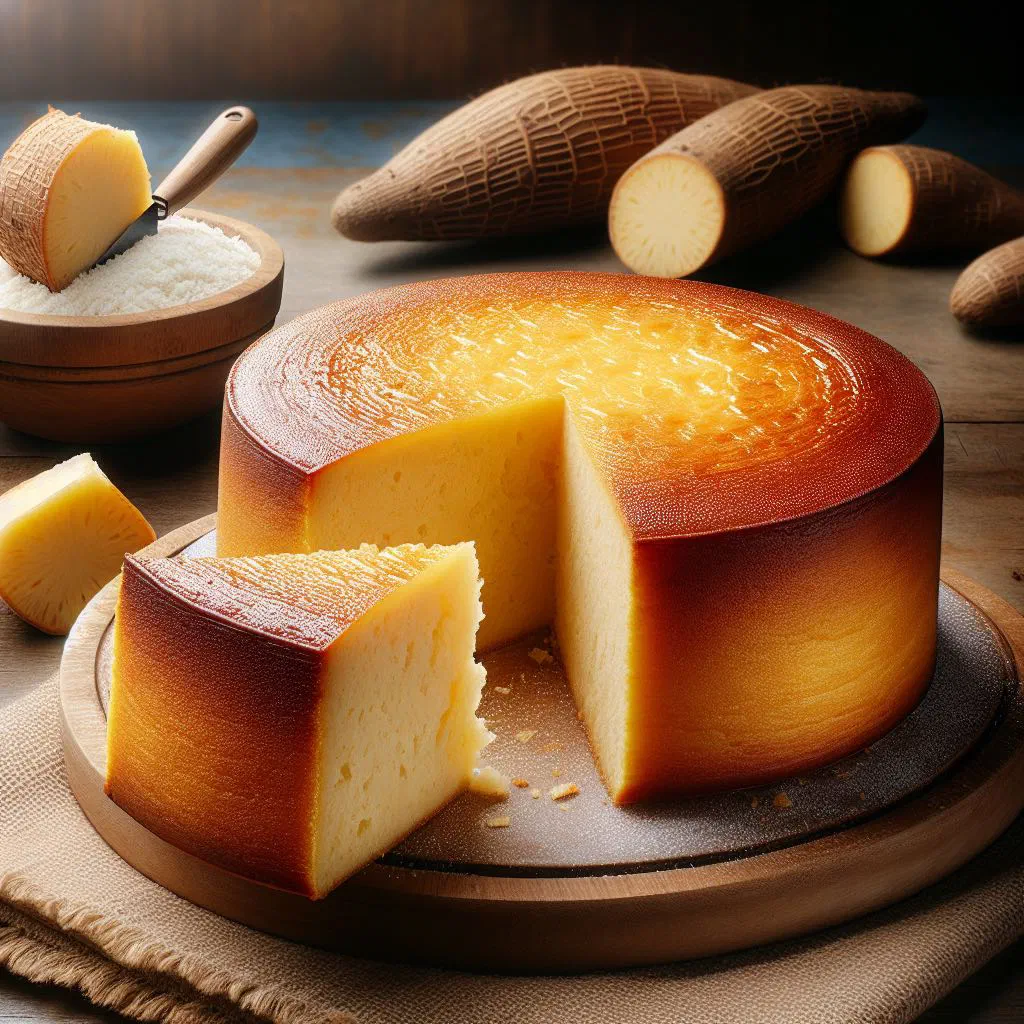
Meet Gâteau de Manioc, the sweet cassava cake that West Africa has been baking for generations. Dense, gently moist and scented with coconut milk and vanilla, it sits somewhere between a pudding and a cake, and it is far easier to make than its elegant French name suggests. Serve it as an afternoon snack or a relaxed dessert, and you bring a genuine taste of Burkina Faso to the table.
About Gâteau de Manioc
Gâteau de Manioc is a traditional national dish from Burkina Faso that reflects the rich cultural variety of West Africa. The cake is built around cassava, and its preparation brings together both savoury and sweet notes. The carefully chosen combination of ingredients gives it a texture all of its own, one that keen cooks tend to fall for straight away. Whether it appears as a snack or as a dessert, Gâteau de Manioc is a real treat for anyone keen to rediscover West African cooking.
Ingredients (serves 1–2)
- 250 g fresh cassava
- 50 g sugar
- 2 eggs
- 1 teaspoon baking powder
- 1 pinch of salt
- 100 ml coconut milk
- 1 teaspoon vanilla extract
- Butter, for greasing the tin
Shopping for the ingredients
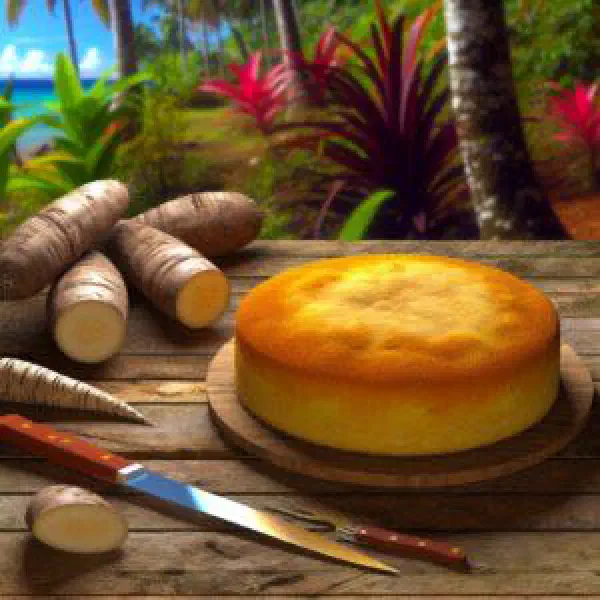
To bake a perfect Gâteau de Manioc, the quality of your shopping matters. Fresh cassava is the main component and should be a golden yellow colour, firm and free of blemishes. The remaining ingredients, sugar, eggs and coconut milk, are easy to find in any well-stocked supermarket, and African or Caribbean grocers are a reliable source for the root itself. Choose the best quality you can to get the fullest flavour out of the finished cake.
Preparing the dish
Preparing Gâteau de Manioc is refreshingly straightforward. Start by peeling the cassava thoroughly and cutting it into small pieces. Boil the pieces in water until just tender, then purée them until smooth. This simple groundwork is what creates the lovely aroma that eventually arrives on your plate, so it is worth taking your time over it.
Step-by-step instructions
- Preheat the oven to 180 °C and grease a baking tin with butter.
- Tip the boiled and puréed cassava into a mixing bowl.
- Add the sugar, eggs, baking powder, salt, coconut milk and vanilla extract, and mix well.
- Pour the mixture evenly into the prepared tin.
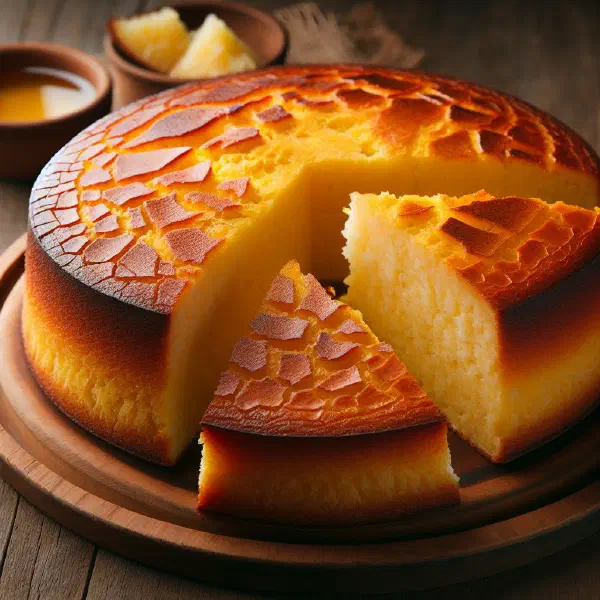
- Bake for around 40–45 minutes, until the cake is golden brown and set.
- Leave to cool before serving, and dust with icing sugar if you like.
Gluten-free / lactose-free version
Gâteau de Manioc is naturally gluten-free, since cassava contains no gluten at all. For a lactose-free version, simply avoid dairy products: a plant-based margarine works perfectly in place of ordinary butter for greasing the tin. That makes this cake an excellent choice for anyone with particular dietary needs, much like the naturally gluten-free Beignets De Riz.
Tips for vegans and vegetarians
Vegan cooks can adapt Gâteau de Manioc with very little effort by swapping the eggs for a plant-based binder such as a flax or chia egg. These not only hold the batter together but add extra nutrients too. The sugar can also be replaced with agave syrup for an entirely plant-based sweetness. With those small changes, the cake fits neatly into a vegan diet without losing any of its charm.
More tips and tricks
To deepen the flavour of Gâteau de Manioc, try folding grated coconut or dried fruit into the batter. Both add welcome texture as well as aroma. It is also worth adjusting the baking time to suit your own oven, since ovens vary considerably. Check on the cake regularly to make sure it browns evenly and does not dry out around the edges.
Adapting the recipe to your taste
There are plenty of ways to tailor Gâteau de Manioc to personal preference. Experiment with different sweeteners and flavourings to create something distinctly your own. Nuts or chocolate chips add a pleasing crunch, while a pinch of cinnamon or nutmeg gives the cake an interesting new direction. Small adjustments like these turn a traditional recipe into a house speciality.
Ingredient substitutions
If fresh cassava proves hard to track down, cassava flour makes a practical alternative, preparation becomes simpler, though the texture will differ slightly. The same flour is the backbone of Farine De Manioc. Anyone avoiding sugar can reach for natural sweeteners such as stevia or erythritol instead. These substitutions let you produce a lighter version of the cake without giving up its sweetness.
Drink pairing ideas
A number of drinks round off a slice of Gâteau de Manioc beautifully. A fresh mint lemonade or a light fruit cocktail offers a pleasant contrast to the cake’s richness, and a tart hibiscus drink such as Bissap does the same job with real local character. For a warm, alcohol-free option, a fragrant tea complements the dessert’s aromas nicely. Each pairing adds another dimension to the experience.
Serving and presentation ideas
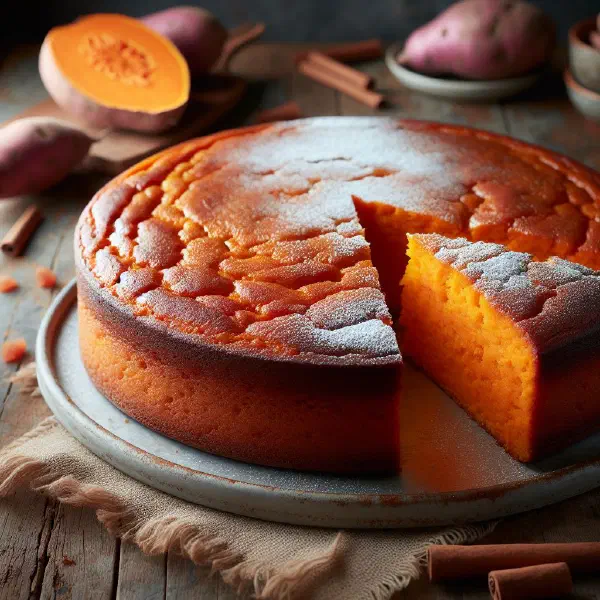
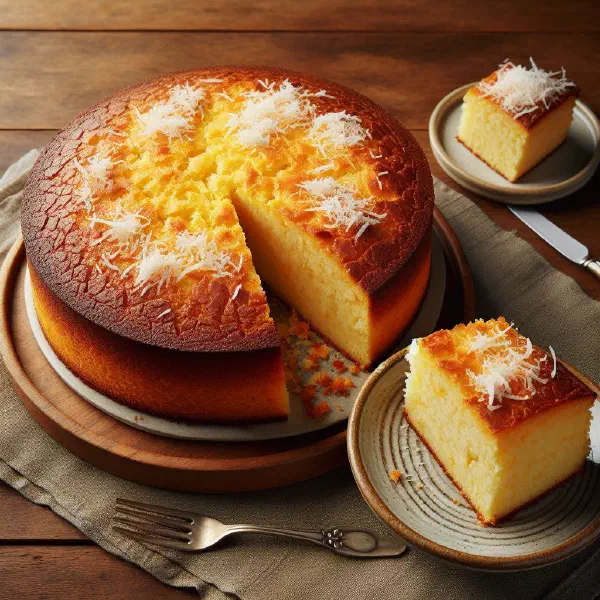
Presentation makes a real difference when serving Gâteau de Manioc. Set the cake on an attractive plate decorated with fresh fruit to bring out its warm colours. A dusting of icing sugar or a scattering of desiccated coconut makes the dessert look more inviting still. A thoughtfully arranged plate will impress your guests and make the cake taste all the better for it.
A bit of history
Gâteau de Manioc has its roots in West African tradition and is a fixture of Burkinabè cooking. Cassava is a vital food source across many tropical regions and is especially widespread in Africa, where it appears in everything from porridges to hearty stews. This cake is often served at festivals and celebrations, where it helps to foster a sense of community and cultural identity. It is more than a dessert; it is a small emblem of tradition and exchange within Burkinabè cuisine.
More recipe ideas
Summary: Gâteau de Manioc
In short, Gâteau de Manioc is a distinctive and flavourful bake that embodies the variety of West African cooking. It is simple to prepare, and the sheer number of possible variations means anyone can shape it to their own taste. This cassava cake is sure to win people over and bring a piece of African culture to your table. It is well worth trying for yourself.