National Dish Burkina Faso: Koko Dunda (Recipe)
In this article
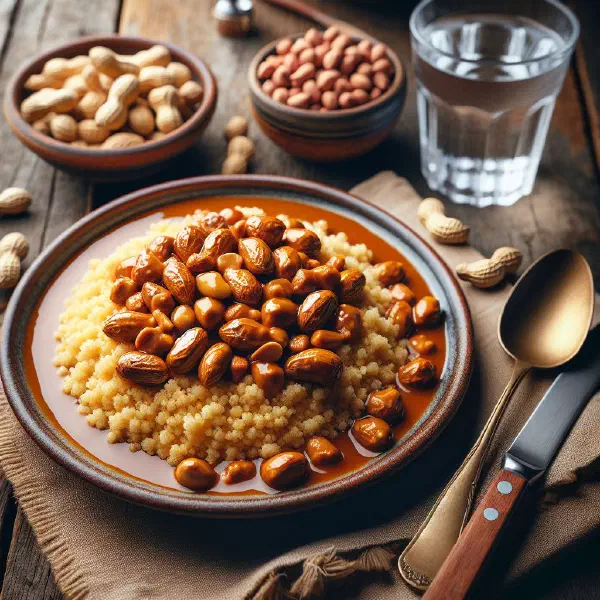
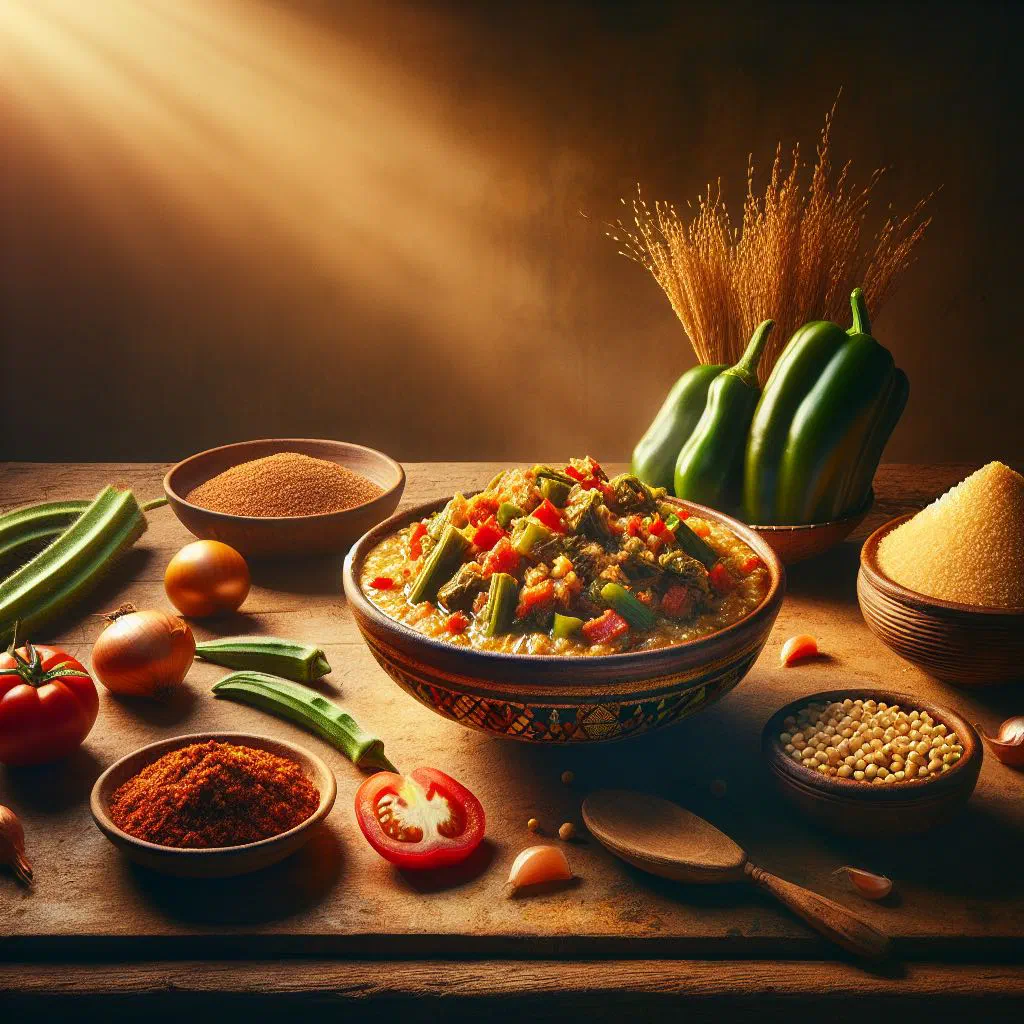
Discover Koko Dunda, a warm and wonderfully nutty dish that carries the flavours of Burkina Faso straight to your table. Built around roasted maize flour, crushed peanuts and a handful of fragrant spices, it is simple, filling and deeply satisfying. Shaped into small flatbreads and fried until golden, it is the kind of everyday cooking that also earns a place at celebrations.
About Koko Dunda
Koko Dunda is a traditional national dish from Burkina Faso that brings together the many flavours and cultures of the country. It is made mainly from roasted maize flour, peanuts and a selection of aromatic spices. That combination delivers excellent taste and a nourishing, genuinely filling meal. Koko Dunda is often served on special occasions, yet it is equally at home as an everyday dish that brings pleasure to many households.
Ingredients (serves 1–2)
- 200 g roasted maize flour
- 50 g peanuts, chopped or ground
- 1 teaspoon salt
- 1 teaspoon sugar
- 1 tablespoon vegetable oil
- Water, as needed
- Aromatic spices (paprika, cumin, to taste)
Shopping for the ingredients
To find the best ingredients for Koko Dunda, visit local markets or African and Asian grocers, which usually stock a good range of suitable spices and staples. When buying the roasted maize flour, look for a fresh, high-quality product to get the fullest aroma. The peanuts should also be fresh and unsalted so their flavour comes through cleanly. A trip to an organic supermarket can be worthwhile too, especially if you are after organic or speciality products.
Preparing the dish
Before you start cooking Koko Dunda, have all your ingredients to hand to keep the process smooth. The roasted maize flour can be combined in a large bowl with the peanuts, salt, sugar and your chosen spices. Adding the oil gives the mixture a suppler texture. Once all the dry ingredients are well mixed, add water little by little until you have a smooth, mouldable dough.
Step-by-step instructions
- Combine the roasted maize flour with the peanuts, salt, sugar and spices in a large bowl.
- Add water gradually and mix everything to a smooth dough.
- Shape the dough into small balls or flat rounds, whichever you prefer.
- Heat a little oil in a pan and fry the Koko Dunda flatbreads golden brown on both sides.
- Serve warm with sides or sauces of your choice.
Gluten-free / lactose-free version
Koko Dunda is naturally gluten-free, since it is made with roasted maize flour. For a lactose-free version, use vegetable oils or margarine instead of butter. If you would rather avoid added fat altogether, you can bake the flatbreads in the oven or dry-roast them in a pan. That makes it easy to fit the dish around your own eating habits, much as you would with a bowl of Tô.
Tips for vegans and vegetarians
This dish is already suitable for vegans and vegetarians, provided you avoid animal fats. To refine the flavour further, add plant-based aromatics or vegetables such as peppers or courgette. Experiment with alternative spices to create a taste that is entirely your own. Koko Dunda also pairs beautifully with a fresh salad or vegetable sides for a fully rounded meal, a crisp Salade de Carottes works particularly well.
More tips and tricks
An important tip when making Koko Dunda is to mix the roasted maize flour evenly with the other ingredients so no lumps form. Use a tightly sealing bowl to keep the dough fresh while you work. You can also play with the quantity of spices to adjust the heat and flavour to your personal taste. Store leftovers in an airtight container in the fridge to keep them longer.
Adapting the recipe to your taste
Koko Dunda is easy to tailor to personal preference. Consider adding extras such as dried fruit or seeds to change the texture and flavour. The consistency of the dough can be varied too, simply by adding more or less water. Make sure the result always matches what you enjoy, so that both the cooking and the eating stay a pleasure.
Ingredient substitutions
If roasted maize flour is hard to come by, you can replace it with other gluten-free flours such as millet or rice flour, although the flavour will shift. Instead of peanuts, other nuts or seeds like almonds or sunflower seeds give a different character, the same nutty note that defines Sauce d’Arachide. Experiment with different aromatics and textures to find the ideal combination for your dish, and keep an eye on the consistency as you go.
Drink pairing ideas
A number of drinks work wonderfully with Koko Dunda. An unsweetened herbal tea or a mild fruit juice complements the flavours of the dish and keeps things refreshing. Plain water with lemon or lime is another good choice for lifting the palate. For something more special, serve a traditional Burkinabè drink such as Tchakpalo, a fermented millet beverage, to round off the culinary experience.
Serving and presentation ideas
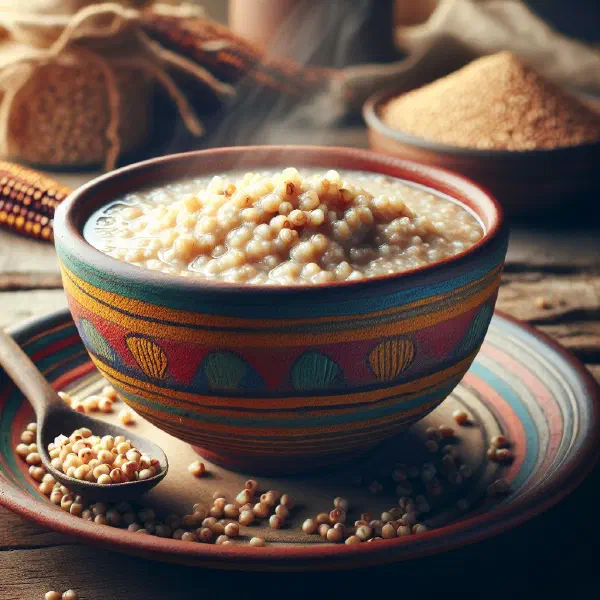
Presentation can greatly enrich the whole Koko Dunda experience. Serve the shaped flatbreads on an attractive flat platter and garnish them with fresh herbs or edible flowers. A colourful bed of vegetables makes a striking contrast and gives the meal far more visual appeal. Traditional Burkinabè bowls or plates will also underline the authentic character of the dish.
A bit of history
Koko Dunda plays an important part in the culinary tradition of Burkina Faso. The dish originally comes from rural regions, where it is often prepared because maize is one of the main food sources across much of Africa. Historically, Koko Dunda was frequently served as a ceremonial dish at celebrations and special occasions. It embodies local culture and the hospitality that runs through Burkinabè cuisine.
More recipe ideas
Summary: Koko Dunda
Koko Dunda is a tasty and nourishing dish that brings the flavours of Burkina Faso within easy reach. With its adaptable ingredients and many possible variations, it makes a perfect canvas for showing off your cooking skills. It unites traditional craft with contemporary tastes and is straightforward to prepare. Take the time to try this wonderful dish and discover the many facets of Burkinabè cooking.