National Dish Burkina Faso: Lait Caillé au Mil (Recipe)
In this article
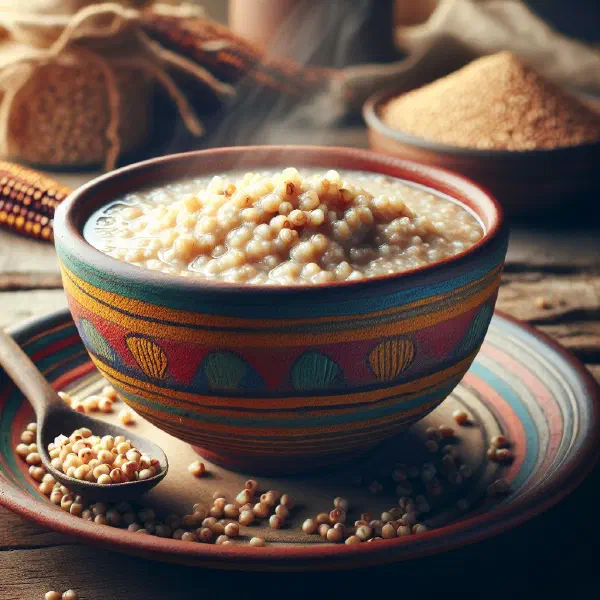
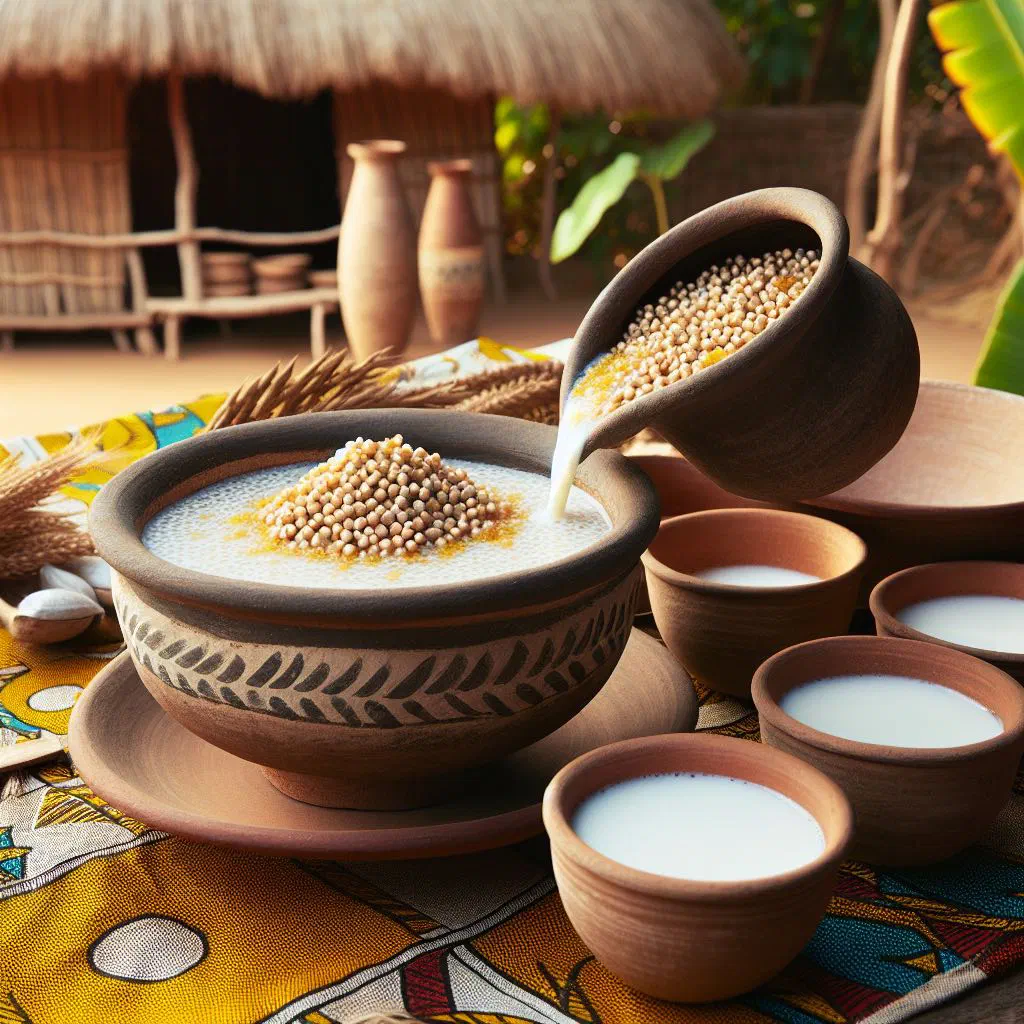
Meet Lait Caillé au Mil, a gently soured bowl of fermented milk and millet that has kept households in Burkina Faso going for generations. Cool, tangy and quietly filling, it sits somewhere between a breakfast, a snack and a restorative drink, the sort of thing you reach for when the day is hot and the appetite is modest. Just a handful of ingredients and a night on the worktop are all it takes to bring this West African staple into your own kitchen.
About Lait Caillé au Mil
Lait Caillé au Mil is a traditional dish enjoyed most often at breakfast or as a between-meals snack. It brings together the nourishing qualities of millet, a cornerstone grain of West African cooking, with the tang of fermented milk. The result is a dish that satisfies without weighing you down and is rich in vitamins and minerals. Preparation is straightforward and calls for very few ingredients, which makes it an ideal choice when time is short.
Ingredients (serves 1–2)
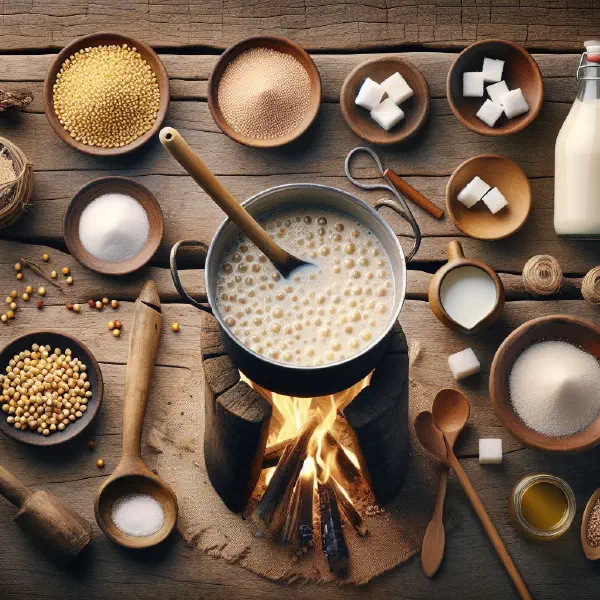
- 100 g millet (ground)
- 500 ml milk
- 1–2 tablespoons yoghurt (as a starter culture)
- A pinch of salt
- Water, as needed for consistency
Shopping for the ingredients
With Lait Caillé au Mil the quality of the produce really shows in the finished bowl. Seek out a local market or a health-food shop for fresh millet and good milk. Check that the yoghurt you choose contains live cultures, as these are what drive the fermentation. Guaranteed freshness and quality will make your dish all the more flavourful.
Preparing the dish
Getting ready for Lait Caillé au Mil is simple and rather enjoyable. Begin by rinsing the millet thoroughly to wash away any grit or dust. From there you can either soak the grain in water or grind it straight away, depending on how coarse or smooth you would like the finished texture. Once that is done, gather the remaining ingredients and make sure everything is to hand before you start cooking.
Step-by-step instructions
- Bring the millet to the boil in a pan of water and simmer for about 10 minutes.
- Let the millet cool, then combine it with the milk and yoghurt in a bowl.
- Add a pinch of salt and stir well until the mixture is evenly blended.
- Cover and leave to ferment at room temperature for 12–24 hours.
- After fermenting, stir thoroughly, loosen with a little water if needed, and serve.
Gluten-free / lactose-free version
To make Lait Caillé au Mil gluten-free, simply check that the millet you use is certified free from cross-contamination. For a lactose-free bowl, swap the dairy for a plant milk such as almond or coconut. Choose a lactose-free yoghurt as your starter too, so the finished dish agrees with everyone at the table. These small adjustments let people with particular dietary needs enjoy it without hesitation.
Tips for vegans and vegetarians
A vegan version is easy to achieve by replacing both the milk and the yoghurt with plant-based equivalents. Look carefully for products containing live cultures, since fermentation depends on them. You might also sweeten the millet with plant-based syrups such as agave to round out the flavour. Adaptations like these mean anyone can share in this corner of West African tradition.
More tips and tricks
For the best results, work with the freshest ingredients you can find, the choice of millet and dairy shapes the final taste more than anything else. Fermentation time can be adjusted to suit you: the longer you leave it, the sharper and more pronounced the tang becomes. Try a pinch of spice or an extra ingredient or two to make the bowl your own, much as cooks do with the closely related Couscous de Mil.
Adapting the recipe to your taste
The recipe takes happily to personal tweaks. Dried fruit or chopped nuts add welcome texture and a little chew, while spices such as cinnamon or vanilla open up a different flavour direction altogether. Be playful with the proportions and the additions until you land on a version that feels unmistakably yours.
Ingredient substitutions
If millet is not in the cupboard, quinoa or rice will give you a comparable consistency. Any milk alternative works in place of dairy, which is useful if you follow a plant-based diet. For the starter culture, a dairy-free yoghurt or a probiotic powder does the job just as well, the same flexible approach that makes plain Lait Caillé such a reliable standby. Substitutions like these let you adapt the dish to whatever your kitchen happens to hold.
Drink pairing ideas
Plenty of drinks sit well alongside Lait Caillé au Mil, depending on the moment and your own taste. A freshly pressed fruit juice or simply a cool glass of filtered water makes an excellent companion. For something with more character, a fragrant tea complements the mild, milky notes of the dish nicely. Experiment a little and you will soon find your favourite combination.
Serving and presentation ideas
Presentation matters more than you might expect with a dish this simple. Serve it in decorative bowls or clear glasses so the layers of grain and milk are visible. Fresh fruit or a few mint leaves scattered on top bring colour as well as an extra note of flavour. These small touches turn an everyday bowl into something guests are genuinely keen to try.
A bit of history
Lait Caillé au Mil is more than a quick bite; it reflects the traditions and daily rhythms of life in Burkina Faso. Millet has been a staple grain across the region for centuries, and the practice of fermenting milk has roots that run deep through the culture. The dish is typically made at home and shared among family, which gives it a social dimension as much as a culinary one. Tasting it is a small way of stepping into that living tradition of Burkinabè cuisine.
More recipe ideas
Summary: Lait Caillé au Mil
Lait Caillé au Mil is a plain but deeply nourishing dish that offers an authentic taste of Burkina Faso. By marrying fermented milk with millet, it puts both good health and culinary heritage on the table at once. It comes together quickly and asks for very little, which makes it ideal for anyone after a wholesome snack between meals. Give it a try and discover the rich flavours and traditions of West African cooking.