National Dish Burkina Faso: Lait Caillé (Recipe)
In this article
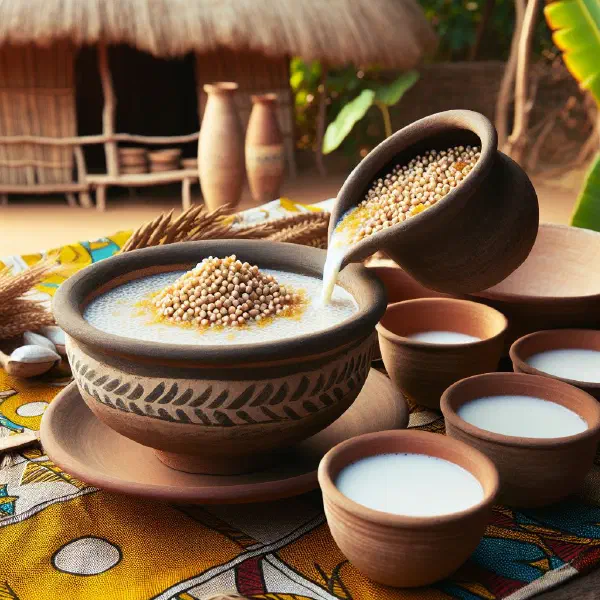
Meet Lait Caillé, the gently soured, refreshingly cool fermented milk that Burkina Faso has cherished for generations. Thick, tangy and quietly nourishing, it is the drink people reach for when the Sahel heat bites, sipped on its own, spooned from a bowl, or served alongside a plate of millet. With nothing more than fresh milk and a spoonful of live culture, you can bring a genuine taste of West Africa into your own kitchen.
About Lait Caillé
Lait Caillé is far more than a simple dairy product; it is a much-loved national dish of Burkina Faso, prized for its freshness and its gently sour edge. This cooling fermented milk is treasured as a snack, but it also plays a meaningful role in Burkinabè daily life. Served alone or paired with traditional dishes such as To, it brings a distinctive flavour to the table that is rooted deep in West African cooking. Let this wholesome, delicious treat inspire you.
Ingredients (serves 1–2)
- 500 ml fresh whole milk
- 1–2 tablespoons yoghurt, as a starter culture
- A few pinches of salt
- Optional: honey or sugar, to taste
Shopping for the ingredients
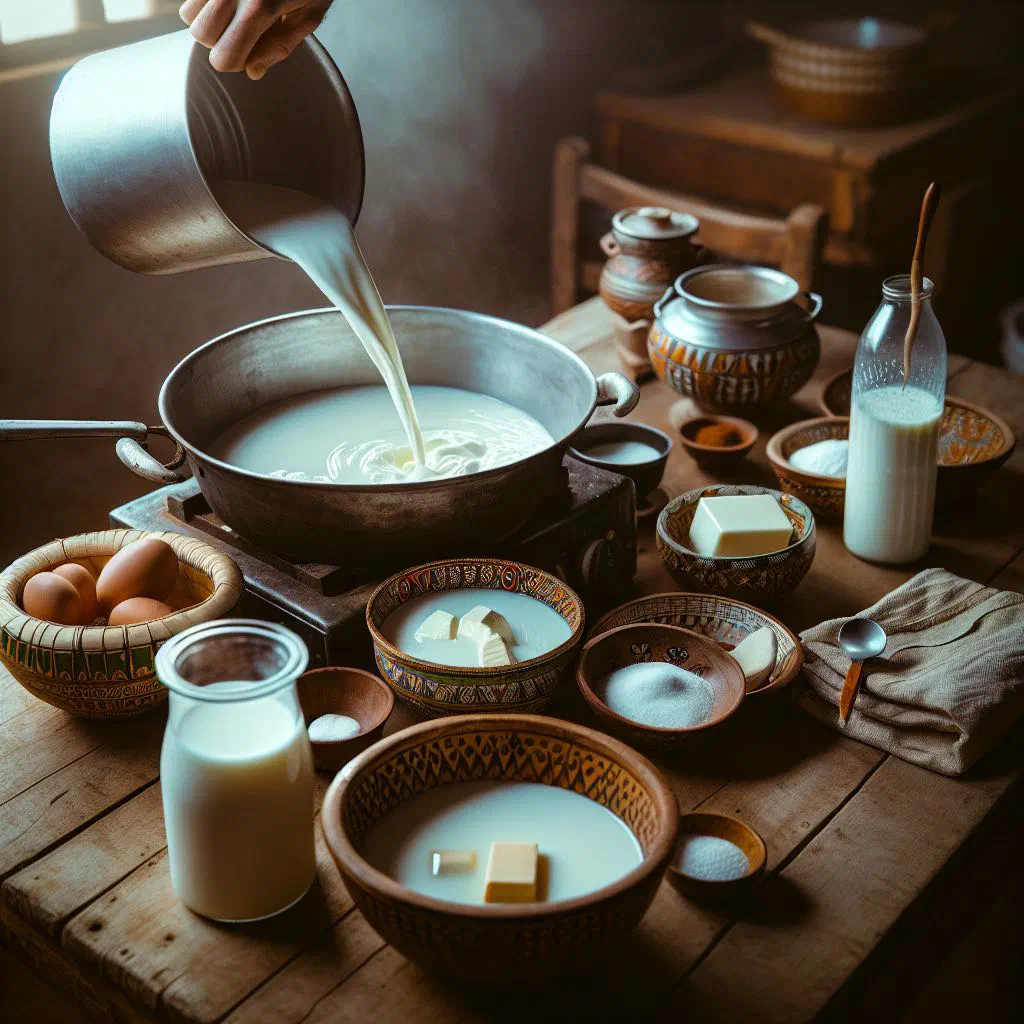
To make Lait Caillé you need fresh ingredients, and almost all of them are available in an ordinary supermarket or at a weekly market. Look for whole milk that is as lightly processed as possible, since this gives by far the best flavour. Organic dairy is worth seeking out where you can, as the quality tends to be higher and fewer chemicals are involved. The yoghurt you use as a starter culture should also be fresh and contain live cultures, so that fermentation gets off to a strong start.
Preparing the dish
Preparing Lait Caillé is straightforward and takes only a few minutes of hands-on time. While the milk warms through, clean every utensil thoroughly so that no unwanted bacteria find their way in. Because the flavour depends so heavily on the quality of what goes into the pot, everything should be fresh and scrupulously clean. Get that right and your Lait Caillé will develop the very best aroma.
Step-by-step instructions
- Warm the whole milk in a pan to around 40–45 °C, until it is comfortably warm but nowhere near boiling.
- Stir in the yoghurt as a starter culture and mix the two together thoroughly.
- Cover the pan with a clean cloth and leave the mixture to ferment in a warm spot for about 6–12 hours.
- Check the consistency; it should be slightly thickened with a pleasantly sour smell. Add a little honey or sugar at this point if you like.
Gluten-free / lactose-free version
Lait Caillé is naturally gluten-free, so it suits anyone avoiding gluten without any adjustment at all. For those with a lactose intolerance, most supermarkets now stock lactose-free milk, which you can use in exactly the same way for a very similar result. Just make sure the starter culture you choose is lactose-free as well if you go down that route.
Tips for vegans and vegetarians
A vegan version of Lait Caillé is easily achieved with plant-based milk such as almond or soya. Both are widely sold and ferment perfectly well. To reach that characteristic sour note, use a vegan yoghurt or another fermented product as your culture. This widens the range of flavours on offer and makes the recipe work for a variety of diets, much like the naturally plant-based Bissap.
More tips and tricks
Temperature is the single most important factor for a successful fermentation. Avoid cold corners and look instead for a genuinely warm spot in your kitchen. A reliable trick is to place the covered pan in the oven with the light on but the heat switched off, which creates a steady, gentle warmth. If you enjoy experimenting, play with the fermentation time to dial the acidity up or down to your own taste.
Adapting the recipe to your taste
The basic Lait Caillé recipe adapts beautifully. Prefer it sweeter? Try different sweeteners such as agave syrup or a sugar substitute. For more depth, add spices such as cinnamon or vanilla. Stirred through cooked millet it becomes a heartier meal in the style of Lait Caillé au Mil. Keep experimenting with combinations until you land on your own favourite version.
Ingredient substitutions
If you do not have a particular ingredient to hand, there is usually a good alternative. Kefir works nicely in place of yoghurt and produces a comparable fermentation. When it comes to the milk itself you can switch freely between cow’s milk, goat’s milk and plant-based options, depending on your preferences or dietary needs. Handled creatively, these swaps can lead to genuinely exciting new flavours.
Drink pairing ideas
Refreshing drinks suit Lait Caillé particularly well. A chilled hibiscus tea or a fresh lemon juice complements the tang beautifully and rounds out the meal. Fruity smoothies are another excellent alcohol-free choice. It is also worth trying traditional Burkinabè drinks such as Jus de Gingembre or Jus de Tamarin to complete the culinary experience.
Serving and presentation ideas
Serve Lait Caillé in attractive bowls or tall glasses so it looks as good as it tastes. Fresh fruit or a scattering of nuts on top adds texture and refinement. A thoughtful presentation lifts the whole experience and never fails to impress guests. Pairing it with traditional Burkinabè dishes on the same table makes for an especially inviting spread.
A bit of history
The method behind Lait Caillé has a long tradition in Burkina Faso and forms part of the rich culinary heritage of West Africa. It is most often made in rural areas, where it reflects a thrifty, resourceful approach to food. By relying on locally available ingredients, Lait Caillé has become a symbol of Burkinabè cuisine. The dish also illustrates the importance of fermentation in African cooking, which improves flavour and extends how long food keeps.
More recipe ideas
Summary: Lait Caillé
Lait Caillé is a refreshing, gently sour fermented milk regarded as a national treasure of Burkina Faso. With just a handful of ingredients and a simple method, it brings a touch of West Africa straight into your kitchen. Lait Caillé is a healthy and delicious experience that everyone should try at least once. Give it a go and discover the variety of Burkinabè cooking for yourself.