National Dish Burkina Faso: Niébé Sauce (Recipe)
In this article
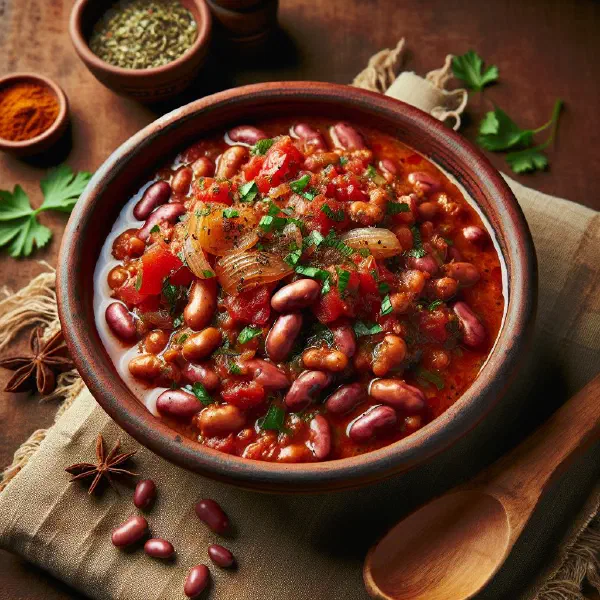
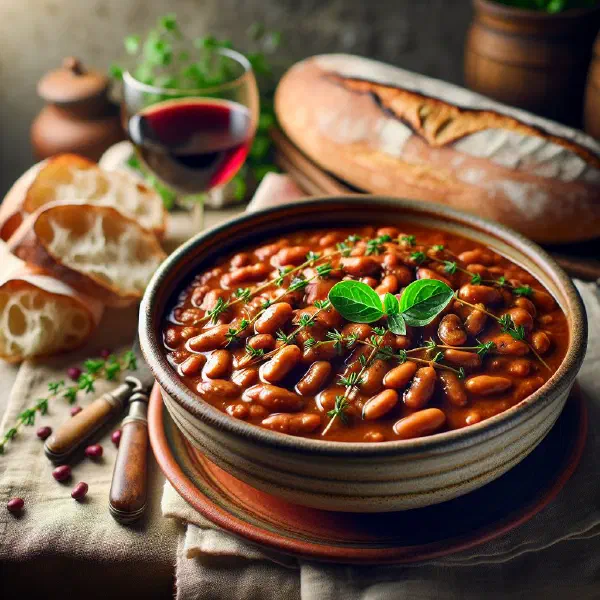
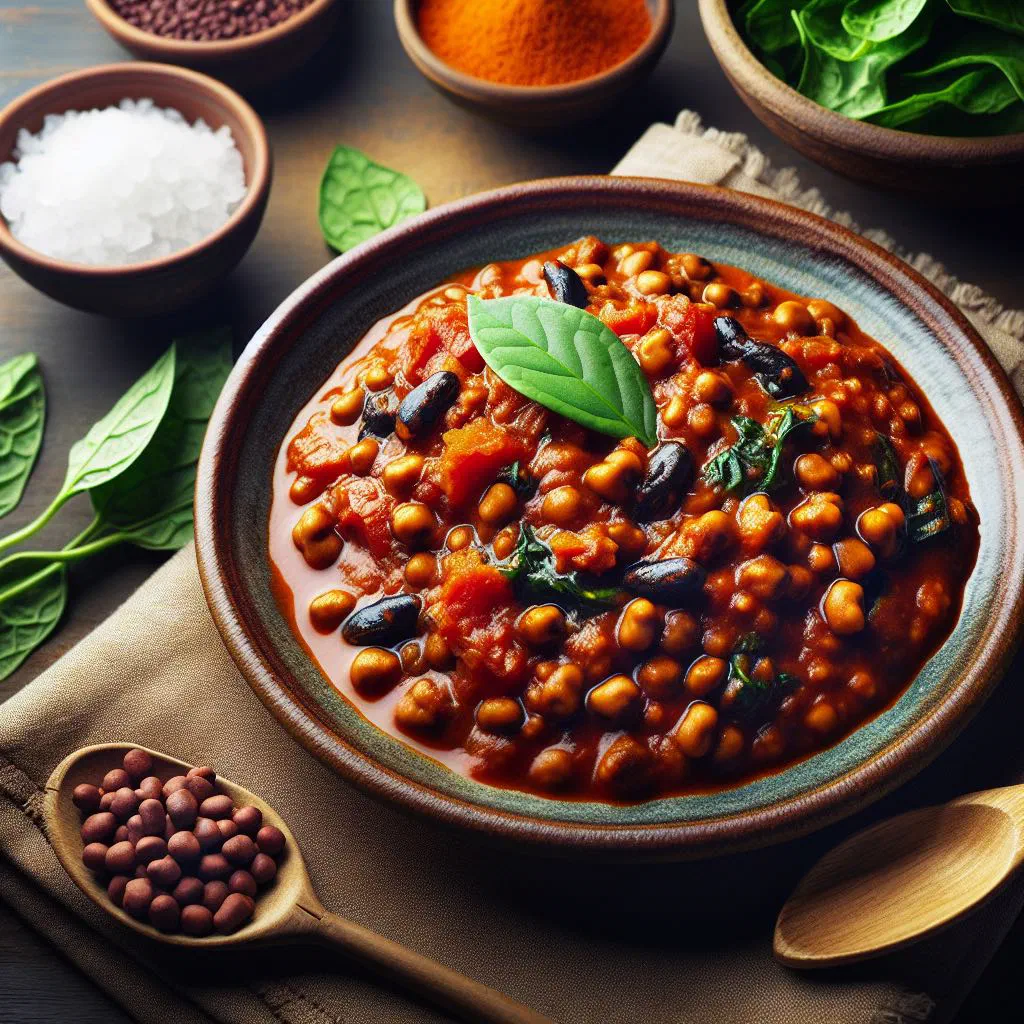
Meet Niébé Sauce, the hearty bean sauce that sits at the heart of Burkinabè home cooking. Built around humble black-eyed peas simmered with onion, garlic and tomato, it is nourishing, thrifty and quietly addictive. Warm spices lift the earthy beans, and a bowl of it alongside rice or grilled fish makes a complete, comforting meal. It is the kind of dish that fills a kitchen with good smells long before anyone sits down to eat.
About Niébé Sauce
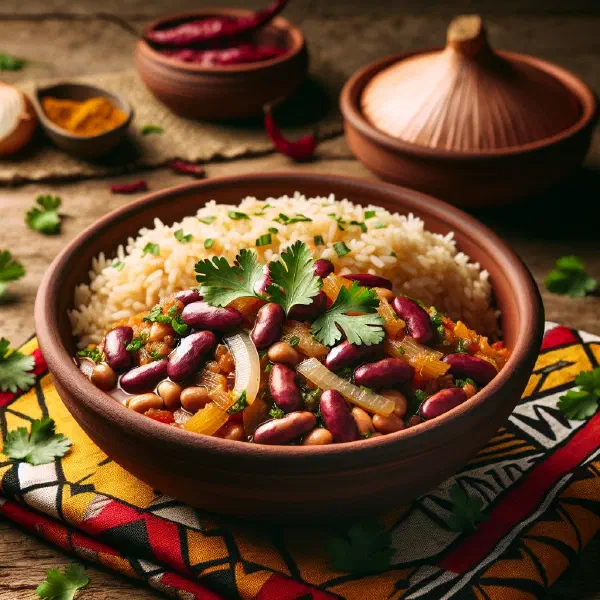
Niébé Sauce is a traditional dish from Burkina Faso, admired for its savoury depth and genuinely nourishing ingredients. It is made from niébé beans, better known in English as black-eyed peas, which give the sauce its creamy body and gentle, nutty flavour. A careful balance of spices and aromatics turns a simple pot of beans into something memorable, and makes the sauce a valuable part of a well-rounded diet. It is most often served with rice or fish, which makes it every bit as useful as a side dish as it is as a main.
Ingredients (serves 1–2)
- 200 g niébé beans (black-eyed peas)
- 1 onion
- 2 cloves of garlic
- 2 tomatoes
- 1 teaspoon ground cumin
- 1 teaspoon paprika
- Salt and pepper, to taste
- 2 tablespoons vegetable oil
Shopping for the ingredients
The ingredients for niébé sauce are stocked by most supermarkets as well as African and Asian grocers. The beans themselves are usually shelved in the international foods aisle, sometimes labelled as black-eyed peas or cowpeas. Choose good-quality dried beans with unbroken skins if you want the full flavour of the finished dish. Fresh spices such as cumin and paprika bring more than taste. They add genuine nutritional value too, and the same warm notes underpin dishes like Riz Gras.
Preparing the dish
Before you start cooking, wash the beans thoroughly under cold running water and pick out any stones or damaged pieces. Leave them to soak overnight in plenty of water: this shortens the cooking time considerably and makes the nutrients easier to absorb. Finely chop the onion and the garlic, and dice the tomatoes while the beans drain. This modest bit of groundwork is what gives the sauce its harmonious, well-rounded flavour.
Step-by-step instructions
- Bring the soaked niébé beans to the boil in a pan of fresh water and simmer for about 30–40 minutes, until soft.
- Heat the vegetable oil in a frying pan and sauté the chopped onion and garlic until golden brown.
- Add the diced tomatoes and stir everything together well.
- Drain the cooked beans and add them to the mixture in the pan.
- Stir in the cumin, paprika, salt and pepper, then let it all simmer for a few minutes so the aromas can develop.
- Serve the niébé sauce warm, with rice or fish as you prefer.
Gluten-free / lactose-free version
Niébé sauce is naturally gluten-free and lactose-free, which makes it an excellent choice for anyone with a corresponding allergy or intolerance. The only thing worth checking is your spice blends, as some contain gluten-based bulking agents; single spices are always the safer bet. The sauce therefore offers a healthy and flavourful option that can be enjoyed without a second thought. Vegans and vegetarians benefit from exactly the same qualities.
Tips for vegans and vegetarians
For vegans and vegetarians the sauce is a real highlight, since it contains no animal products whatsoever. You can adapt it freely to your own preferences by stirring in extra vegetables or plant-based protein such as tofu. Serving it with a colourful vegetable salad rounds the plate out beautifully. The result is a completely plant-based meal that is genuinely rich in protein and nutrients, much like the bean-based Ragout De Haricots.
More tips and tricks
To make the sauce even more flavourful, add a little chilli if you like a bit of heat. It is also worth experimenting with different vegetables, carrots or peppers add welcome texture and sweetness. A squeeze of lemon juice just before serving lifts the aromas and gives the sauce a refreshing edge. Let your creativity guide you and adjust the recipe to suit your own palate.
Adapting the recipe to your taste
The great thing about niébé sauce is how adaptable it is. You can tune the spicing exactly as you like, more paprika for a rounder, sweeter note, or more cumin for extra warmth and depth. The consistency is just as easy to vary, simply by adding more or less liquid as it simmers. The sauce also works with a wide range of accompaniments, giving you the freedom to find the pairing you enjoy most.
Ingredient substitutions
If you cannot get hold of niébé beans, other bean varieties such as kidney beans or black beans work perfectly well in their place. The spices can be swapped too: use coriander instead of cumin for a brighter, more citrusy character. Fresh herbs such as parsley or basil add a final note of freshness. Do not be afraid to experiment with different ingredients until the dish tastes exactly the way you want it to.
Drink pairing ideas
The right drink rounds off the whole experience. Small, fruity cocktails or a glass of African beer such as the local Dolo complement the savoury flavours nicely. A refreshing mint tea is another fine choice and balances the richness of the beans. Whatever you pour, the aim is to pick something that underlines the flavours rather than competing with them.
Serving and presentation ideas
An attractive presentation can add a great deal to the pleasure of the meal. Serve the sauce in a decorative bowl and garnish it with fresh herbs such as coriander or parsley. Use a colourful selection of side dishes to create visual contrast on the table. Laid out on a large, rustic platter with rice and fresh vegetables, it makes for a genuinely inviting spread.
A bit of history
Niébé sauce carries real cultural weight in Burkina Faso and is a good example of the country’s traditional diet. Growing and cooking niébé beans is not simply a matter of taste; it is part of the nation’s agricultural and culinary heritage. In many households it is customary to gather with family and friends and share the meal from a common dish, which strengthens the bonds between them. Cooking this sauce brings a piece of Burkinabè cuisine into your kitchen, along with the history and tradition of the region.
More recipe ideas
Summary: Niébé Sauce
Niébé sauce is a delicious and nourishing dish from Burkina Faso that slots easily into almost any meal. With its layered flavours and straightforward preparation, it suits everyday cooking and special occasions alike. It brings a piece of West African culture to your plate. Let the depth and variety of this sauce win you over, and use it as your way into the wider world of African cooking.