National Dish Burkina Faso: Pain de Singe (Recipe)
In this article
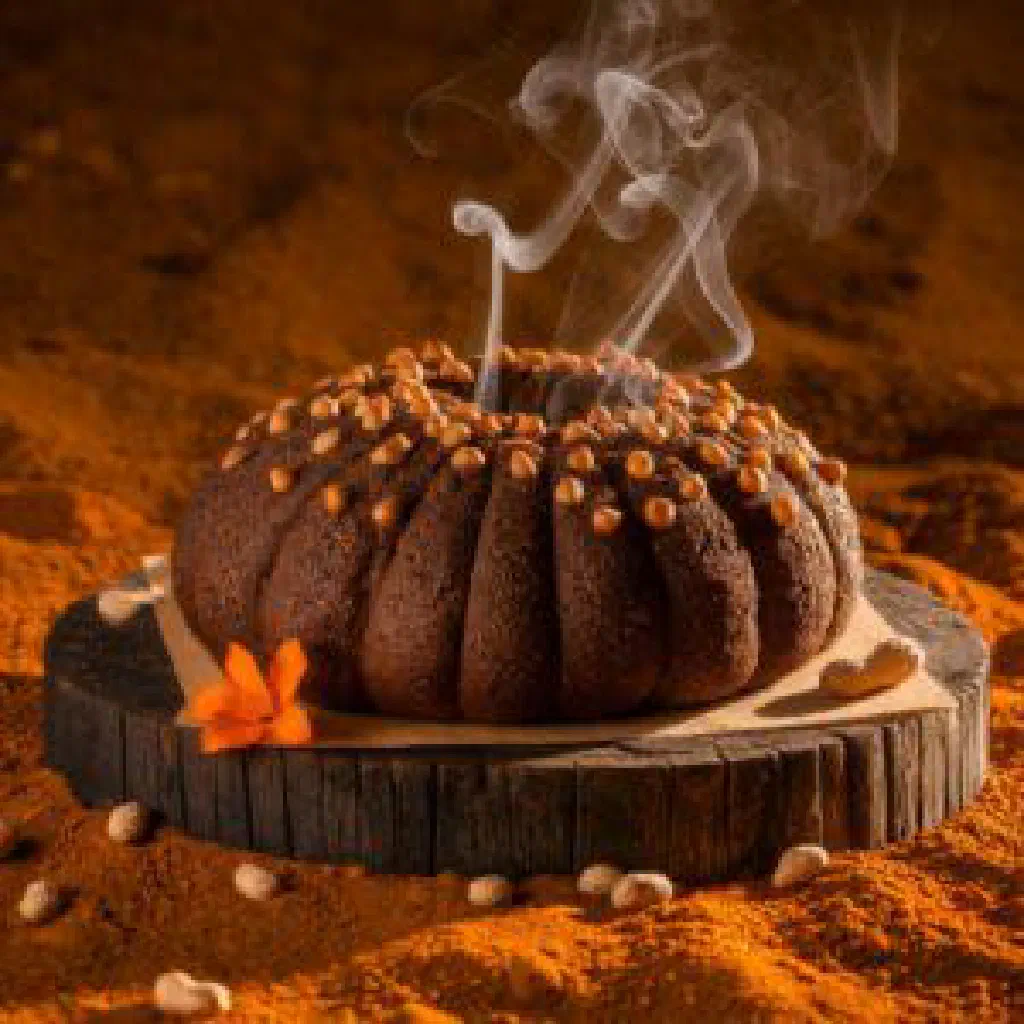
Meet Pain de Singe, the baobab bread of Burkina Faso, a loaf with a name that translates rather charmingly as “monkey bread”. Made from the seeds of the mighty baobab tree, it lands somewhere between sweet and savoury, with a gentle nuttiness that is unlike anything else on the African bread table. It is naturally gluten-free, naturally dairy-free, and every bit as good torn into a bowl of soup as it is spread with honey at breakfast.
About Pain de Singe
Pain de Singe is a nourishing bread from Burkina Faso that holds a central place in the country’s home cooking. Made from the seeds of the baobab tree, it offers a distinctive flavour that is at once faintly sweet and comfortingly savoury. The loaf is often served as a snack or as a side dish alongside stews and sauces, and it is prized for how few steps it takes to make. Beyond the plate, Pain de Singe is a symbol of the rich traditions of Burkinabè culture, and it continues to draw the curiosity of cooks far beyond West Africa.
Ingredients (serves 1–2)
- 200 g baobab seeds
- 300 ml water
- 1 pinch of salt
- Optional: honey or spices of your choice
Shopping for the ingredients
When shopping for Pain de Singe, the priority is finding fresh baobab seeds, which turn up in local markets and well-stocked health food shops. The seeds are filling and rich in vitamins and minerals, which makes them a genuinely healthy choice. If you live somewhere they are hard to come by, it is worth looking online or seeking out a specialist African grocer. Whatever the source, check that the seeds are fresh and properly sealed, stale seeds will dull the flavour of the finished loaf.
Preparing the dish
Getting ready to bake Pain de Singe is quick and refreshingly straightforward. First the baobab seeds need a thorough clean, and it helps to soak them for a while to improve both flavour and texture. You can also give them a brief toast in a dry pan if you want a deeper, more roasted aroma. Once that groundwork is done, you can move straight on to making the bread itself.
Step-by-step instructions
- Rinse the baobab seeds well, then bring them to the boil in a pan of water.
- Drain off the water and tip the softened seeds into a bowl.
- Add water and a pinch of salt, mixing until you have a smooth, even batter.
- Pour the mixture into a greased tin and place it in an oven preheated to 180°C.
- Bake for roughly 30–40 minutes, until golden brown, then let it cool before serving.
Gluten-free / lactose-free version
Pain de Singe is gluten-free by nature, since it rests entirely on baobab seeds rather than wheat flour. That makes the recipe an excellent fit for anyone with a gluten intolerance as well as those avoiding lactose. The only thing to watch is what you add alongside: keep any extras free of gluten-containing or dairy-based products and the loaf stays suitable for everyone. It is one of the easiest breads in Burkinabè cuisine to serve at a mixed table.
Tips for vegans and vegetarians
Pain de Singe is not just simple to make, it is also ideal for vegans and vegetarians. To make the loaf even more sustaining, fold in plant-based additions such as nuts or dried fruit. Warming spices like cinnamon or vanilla lift the flavour without compromising any vegan principles. Handled this way, the bread becomes a genuinely healthy snack or a welcome side to a larger meal, much like a plate of Beignets De Haricot.
More tips and tricks
A few small habits make the difference between a decent loaf and a very good one. Clean the seeds carefully before use and remove any leftover husk fragments, so that every bite is safe and pleasant to eat. Play with the baking time to suit your own preference, some cooks like the crumb light and airy, others prefer it dense and firm. Experimenting with different spices is another reliable route to new and surprising flavours.
Adapting the recipe to your taste
Pain de Singe is a versatile bread that bends easily to different tastes. For a sweeter loaf, stir in honey or a spoonful of sugar; for something more savoury, finish with fresh herbs or a pinch of ground spice. Adding combinations of nuts and dried fruit to the batter opens up yet another range of flavours worth exploring. Little changes like these keep the bread interesting from one bake to the next.
Ingredient substitutions
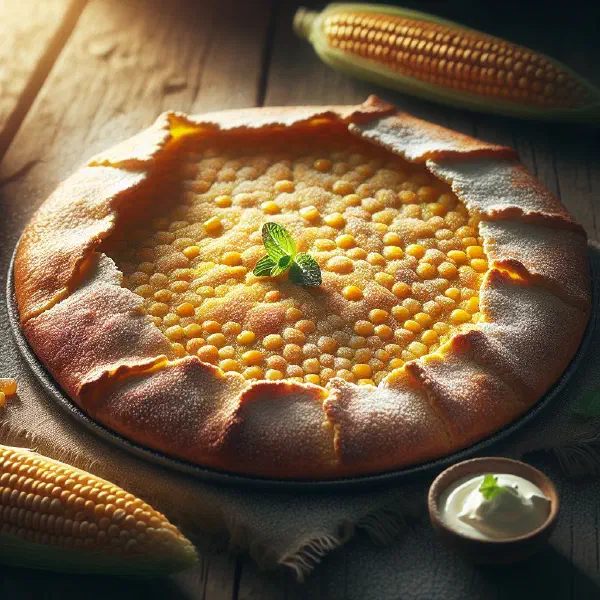
If you cannot get hold of every ingredient, there are workable alternatives. In place of baobab seeds you can use other seeds or grains, provided they suit whatever dietary needs you are catering for. For a reliably gluten-free result, rice flour or maize flour both do the job well, the latter being the backbone of Pain De Mais. Swaps like these let you shape the recipe around what is actually in your cupboard.
Drink pairing ideas
Plenty of drinks sit happily beside Pain de Singe and round out its flavour. A refreshing herbal tea or a fruity juice brings a pleasant balance to the bread’s nuttiness, a chilled glass of Bissap is a natural West African choice. Coconut water and lightly sweetened smoothies work beautifully too. Pairings like these turn every mouthful into something to linger over.
Serving and presentation ideas
Thoughtful presentation lifts the whole experience of eating Pain de Singe. Serve the loaf on a large, rustic wooden board and garnish it with fresh herbs or fruity accompaniments to vary the colours and textures. Small bowls of dips or spreads set alongside make the bread that much more appealing. A well-arranged platter turns a humble loaf into the centrepiece of the table and creates a genuinely inviting atmosphere.
A bit of history
The baobab tree, and with it Pain de Singe, has a long and fascinating history in Burkina Faso. The method for making the bread is steeped in tradition and has been passed down through generations of home cooks. The dish is not merely a staple of the Burkinabè kitchen; it also reflects the cultural values of the region and its deep respect for the natural world. The growing popularity of Pain de Singe has since carried its reputation well beyond Africa, alongside better-known staples such as To.
More recipe ideas
Summary: Pain de Singe
In short, Pain de Singe is far more than a traditional loaf. It is a pleasure that suits a great many palates. It asks little of the cook and offers endless room for adaptation and variation. Whether handed round as a snack or served as a side to a hearty stew, this bread brings the rich culture of Burkina Faso straight to your table. Let it inspire you, and enjoy both its nutritional benefits and the range of flavours it has to offer.