National Dish Burundi: Boko Boko Harees (Recipe)
In this article
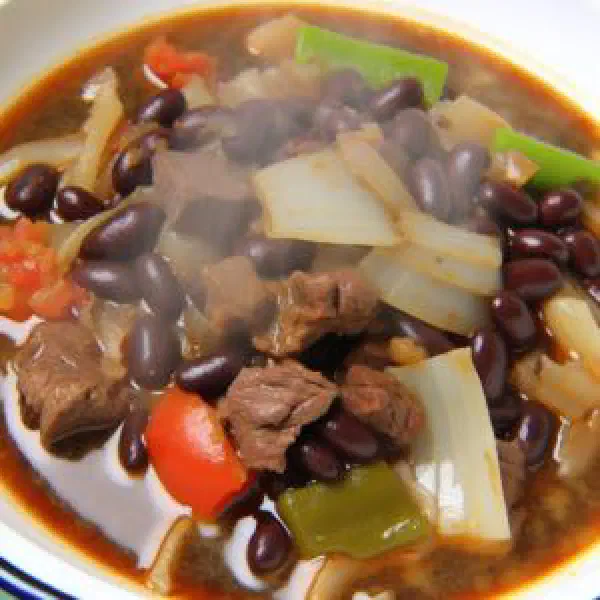
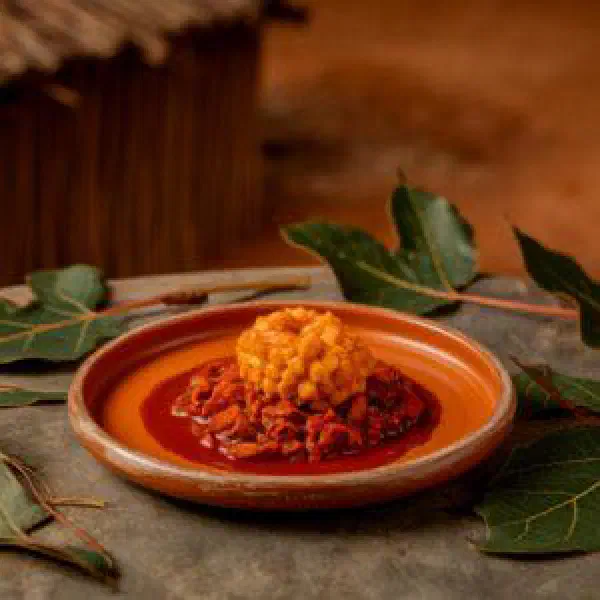
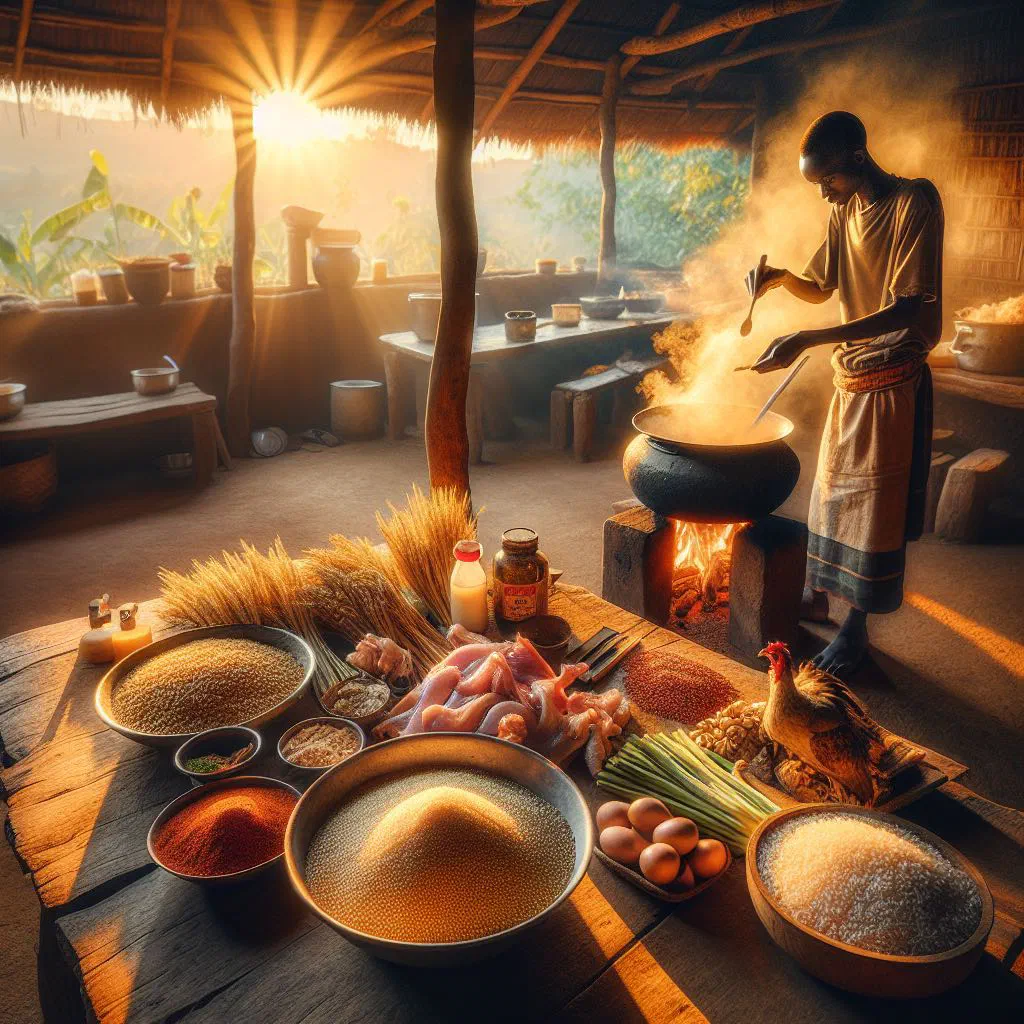
Say hello to Boko Boko Harees, a hearty celebration of Burundi’s rural kitchen tables. This slow-cooked bowl brings together tender meat and softened wheat, simmered together until the whole thing turns rich and creamy. It takes patience rather than skill, and the reward is a comforting, deeply flavoured dish that has long marked festive gatherings across the country. Bring a taste of East Africa to your own table with this warming classic.
About Boko Boko Harees
Boko Boko Harees is a traditional dish from Burundi built around cooked wheat and tender meat. It has its roots in the country’s rural regions and is often served for festive occasions. The preparation is time-consuming, but the end result is a treat every single time. Its unique flavour and creamy consistency make it a much-loved dish that brings together cultural identity and rich, satisfying taste.
Ingredients (serves 1–2)
- 200 g wheat
- 300 g meat (beef or poultry, for example)
- 1 onion
- 2 garlic cloves
- 1 teaspoon salt
- 1 teaspoon pepper
- Water (as needed)
Shopping for the ingredients
The ingredients for Boko Boko Harees can be found in most supermarkets or at local markets. Pay particular attention to the quality of the meat, as this has a decisive effect on how intense the dish tastes. If you already have some experience with the preparation, you might choose regional meat instead to vary the flavour. The wheat is widely available and should ideally be unprocessed or coarsely cracked.
Preparing the dish
Preparing Boko Boko Harees often begins with getting the wheat ready. It should be soaked in water so that it softens and the cooking time is reduced. The meat should be cut into small pieces, and the onion and garlic finely chopped. These steps are crucial, as they form the foundation for the aromas that unfold during the long, slow cooking.
Step-by-step instructions
- Rinse the soaked wheat and tip it into a large pot.
- Add the meat and cover everything with water.
- Add the onion and garlic.
- Season with salt and pepper and bring to the boil.
- Simmer over low heat for around 1–2 hours, until the wheat is completely soft and the mixture turns creamy.
- Stir occasionally and add more water as needed.
- Serve the dish warm, ideally with fresh vegetables or a salad.
Gluten-free / lactose-free version
Because Boko Boko Harees is traditionally made with wheat, a gluten-free version is a little challenging, though certainly possible. In place of wheat you can use quinoa or gluten-free oats to achieve a similar consistency. The remaining ingredients are usually lactose-free, as they contain only meat and vegetables. It is important to check the contents of each product if you follow strict dietary requirements.
Tips for vegans and vegetarians
For a vegan or vegetarian version of Boko Boko Harees, the meat can simply be left out or replaced with red lentils or fried mushrooms. The preparation stays largely the same, and you can use vegetable stock instead of water for a fuller flavour. You might also add extra vegetables such as carrots or peppers to improve the balance. These variations let you enjoy the same hearty taste the traditional recipe offers, much like the plant-based comfort of Ibihaza.
More tips and tricks
When cooking Boko Boko Harees, slow cooking can be the key to great flavour. It is best to cook the dish over a low flame with the lid partly closed. This helps to intensify the aromas and improve the texture. An extra tip is to garnish the dish with freshly chopped coriander or parsley just before serving, to lend it a fresh, bright aroma.
Adapting the recipe to your taste
The recipe for Boko Boko Harees is easy to adapt to personal preference. Add different spices, such as cumin or paprika, to create a special note. You can also vary the consistency of the dish by using more or less water. Adjusting the cooking time lets you shape the dish exactly to your own taste.
Ingredient substitutions
If you are looking for alternatives for Boko Boko Harees, you can also use other types of grain. Bulgur wheat or rye work just as well and offer an interesting change. When it comes to the meat, you might also use lamb or pork, depending on your preference, the same spirit of grilled, well-seasoned meat that shines in Brochettes. Experiment with different vegetables to add extra nutrients and discover new flavours.
Drink pairing ideas
Wonderful drinks pair with Boko Boko Harees and support the flavour of the dish. A refreshing lime water or a simple sparkling water with lemon make ideal companions. If you fancy something more unusual, try a little herbal tea or passion fruit juice to add a fruity note. A mild beer can also suit it well, especially when the dish is served for a festive occasion.
Serving and presentation ideas
The presentation of Boko Boko Harees can lift the whole dining experience considerably. Serve the dish in a lovely bowl to make it visually appealing. Add fresh herbs as a garnish to bring colour and freshness. Consider presenting the dish alongside light salads such as Kachumbari or steamed vegetables to offer a complete meal.
A bit of history
Boko Boko Harees is an essential part of Burundian culture. The tradition of preparing this food is often passed down from generation to generation, with each family having its own recipe and its own way of making it. Historically, the dish was prepared during festivities and special occasions, to welcome guests and celebrate community. Its roots are closely tied to the identity and customs of the Burundian people, and it stands proudly within Burundian cuisine.
More recipe ideas
Summary: Boko Boko Harees
In summary, Boko Boko Harees is a wonderful example of Burundi’s rich culinary tradition. This tasty combination of wheat and meat offers both festivity and comfort. Whether for celebratory occasions or as a warming meal at home, the dish promises enjoyment of a high order. Give this recipe a try and discover the flavours of Africa for yourself.