National Dish Burundi: Ibirayi (Recipe)
In this article
Say hello to Ibirayi, one of Burundi’s most cherished comfort foods. Built around humble potatoes gently cooked with onion, garlic and a scattering of fresh herbs, it is proof that the simplest ingredients often make the most satisfying meals. Easy to put together and endlessly welcoming, this dish captures the warmth and hospitality at the heart of Burundian home cooking. Bring a taste of East Africa to your own table with just a handful of everyday ingredients.
About Ibirayi
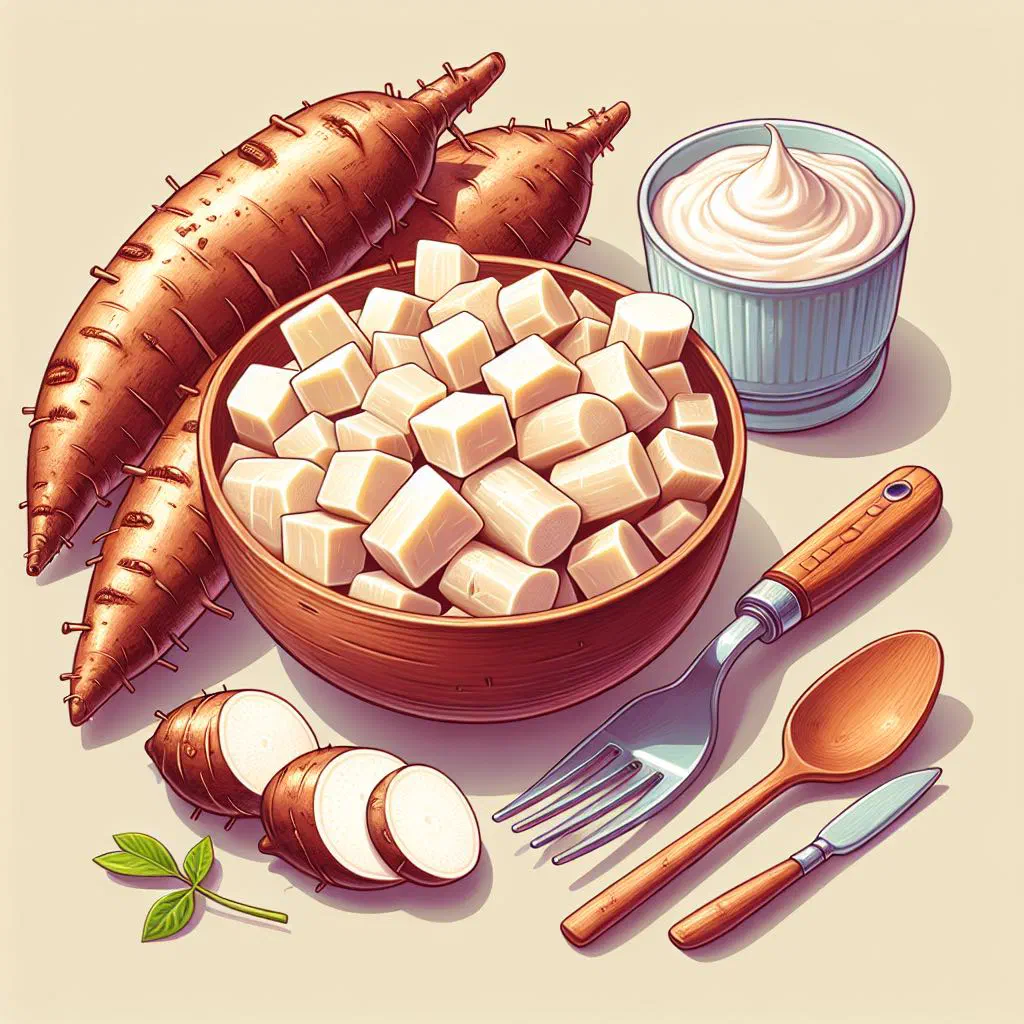
Ibirayi is a much-loved national dish from Burundi, celebrated above all for its straightforward preparation and its comforting flavour. At its core it is a filling dish made mainly from potatoes, gently seasoned to bring out their natural earthiness. Ibirayi holds a special place in Burundian culture, where it is often served at celebrations and special occasions. More than just a meal, it offers a genuine window into African cuisine and a real pleasure for the senses.
Ingredients (serves 1–2)
- 500 g potatoes
- 2 tablespoons vegetable oil
- 1 onion
- 2 cloves of garlic
- Salt and pepper, to taste
- Fresh herbs (such as parsley)
Shopping for the ingredients
When shopping for Ibirayi, it is well worth paying attention to the freshness of the potatoes and the quality of the oil. Depending on where you live, you will find everything you need at a local supermarket or a weekly market. Fresh herbs such as parsley give the dish its finishing touch and lift the overall flavour. If you cannot find plain vegetable oil, olive oil makes a fine alternative and adds a character of its own.
Preparing the dish
Getting Ibirayi ready is quick and uncomplicated, which makes it an ideal choice for less confident cooks. Start by peeling the potatoes and cutting them into even pieces so they cook through at the same rate. Finely chop the onion and garlic to draw out their aroma. A little groundwork goes a long way here, making the cooking itself smoother and ensuring every ingredient is ready when you need it.
Step-by-step instructions
- Peel the potatoes and cut them into cubes.
- Sauté the onion and garlic in a pan with the oil.
- Add the potato cubes and mix well.
- Season with salt and pepper and cook over medium heat for about 20 minutes.
- Fold through the fresh herbs just before serving.
Gluten-free / lactose-free version
Ibirayi is naturally gluten-free and lactose-free, since its main ingredients are simply potatoes and vegetable oil. That makes it a wonderful option for anyone with those intolerances. As always, it is a good idea to check the labels on any packaged products you use to make sure there are no hidden ingredients. This uncomplicated preparation makes the dish easy to share with everyone at the table.
Tips for vegans and vegetarians
Ibirayi is a naturally vegan dish that is both nourishing and full of flavour. Vegans can enjoy the recipe exactly as it is, simply making sure that every ingredient used is plant-based. There is plenty of room to add extra plant protein too, stirring in lentils or chickpeas turns it into a complete meal that is as filling as it is wholesome. Much like the hearty Ibiharage, it shows just how satisfying simple plant-based food can be.
More tips and tricks
For an even better flavour, try adding different spices and herbs to the mix. Experiment with cumin or paprika, for example, to give the dish a new twist. It also pairs beautifully with a side such as a fresh salad, which adds a lively contrast in texture. The possibilities are wide open and invite you to get creative in the kitchen.
Adapting the recipe to your taste
The recipe for Ibirayi is easy to adjust to suit your own preferences. If you like a bit of heat, add some fresh chilli or a pinch of chilli powder. For a creamier version, stir in a spoonful of plant-based cream while the potatoes cook. Every variation brings its own character and makes the dish that little bit more interesting.
Ingredient substitutions
If some ingredients are hard to come by, there are plenty of alternatives to fall back on. Sweet potatoes work well in place of regular potatoes and lend a gentle sweetness to the dish. If you have no fresh herbs to hand, dried herbs will still add plenty of flavour. This flexibility keeps Ibirayi simple to prepare and open to your own creative touch.
Drink pairing ideas
Ibirayi goes especially well with fruity or minty drinks that let its flavours shine. A refreshing mint tea or a light, fruity soft drink makes an excellent partner. For something with a little more depth, a homemade lemonade or an alcohol-free mocktail rounds off the meal nicely, a Passion Fruit Juice is a lovely way to keep things bright and fresh. Little touches like these turn the meal into a real treat.
Serving and presentation ideas
Thoughtful presentation can lift the whole Ibirayi experience. Serve the dish in an attractive bowl and garnish it with fresh herbs. A colourful side of seasonal vegetables can further improve the look of the plate. Aim for colours that harmonise, drawing the eye and turning the meal into an aesthetic pleasure as well as a delicious one.
A bit of history
Ibirayi is a dish and a part of Burundian culture and history. It carries a long tradition, prepared by families and passed down through the generations. The way it is made reflects the country’s rural roots and a resourceful, waste-not approach to food. As a staple of Burundian cuisine, it is a symbol of community and togetherness, often shared at family gatherings and festivals alongside classics such as Bugali.
More recipe ideas
Summary: Ibirayi
Ibirayi is an uncomplicated and tasty dish that reflects the cultural roots of Burundi. Perfect for any cook, it offers countless ways to adapt it to your own taste. The preparation is easy and reliable, whether you are a beginner or a seasoned hand in the kitchen. Suited to all kinds of occasions, this dish brings a touch of African cuisine straight to your table.