National Dish Burundi: Isogo rya Karanga (Recipe)
In this article
Discover Isogo rya Karanga, the national dish of Burundi and a wonderfully wholesome plate built around roasted peanuts and cassava. Nutty, nourishing and deeply satisfying, it is the kind of everyday comfort food that turns up at family tables and festive gatherings alike. Best of all, the simple method suits cooks of every level, so you can bring the warm flavours of East Africa straight to your own kitchen.
About Isogo rya Karanga
Isogo rya Karanga is a traditional dish from Burundi, prepared with plenty of care and affection. This delicious meal brings together healthy peanuts and starchy cassava for an uniquely nutty flavour. At celebrations and in everyday life alike, it is a popular choice that is both nourishing and full of taste. Thanks to its straightforward preparation, the dish is a superb fit for any skill level and adds something special to every table.
Ingredients (serves 1–2)
- 200 g cassava
- 100 g peanuts (roasted)
- 1 onion, finely chopped
- 2 cloves garlic, chopped
- 1 tablespoon vegetable oil
- Salt and pepper to taste
- Optional: vegetable stock for extra flavour
Shopping for the ingredients
When shopping for Isogo rya Karanga, fresh ingredients should be your top priority. Visit a local market or a shop that specialises in African foods to track down the best cassava and peanuts. Make sure the peanuts are roasted and unsalted to keep the dish’s authentic taste. If you cannot find fresh cassava, frozen alternatives are a perfectly good stand-in, the same reliable staple that anchors dishes such as Cassava.
Preparing the dish
Preparing Isogo rya Karanga is quick and easy. Begin by peeling the cassava and cutting it into small pieces so it cooks through evenly. Chop the onion and garlic to release the aromas that will enrich the dish. Make sure everything is ready before you start cooking, good preparation is the key to any successful meal.
Step-by-step instructions
- Bring the cassava to the boil in a pan of water and cook for about 20 minutes, until soft.
- Heat the vegetable oil in a frying pan and sauté the onion and garlic until golden brown.
- Add the cooked cassava pieces and mix well with the sautéed onion and garlic.
- Add the roasted peanuts and stir thoroughly until everything is well combined.
- Season with salt and pepper, adding vegetable stock to taste.
- Let the dish rest briefly so the flavours can develop before serving.
Gluten-free / lactose-free version
Isogo rya Karanga is naturally gluten-free and lactose-free, as it contains neither grains nor dairy. That said, you can double-check that every ingredient is free from gluten, especially if you are using pre-packaged products. Buy your peanuts and vegetable oil from a trusted brand to guarantee the purity and quality of the ingredients.
Tips for vegans and vegetarians
For vegans and vegetarians, Isogo rya Karanga is an excellent choice, since it is built entirely on plant-based ingredients. The combination of peanuts and cassava offers a good source of protein alongside filling carbohydrates. You can easily adapt the recipe by adding extra vegetables such as spinach or carrots to boost the nutritional value. This not only makes the dish more colourful but healthier too.
More tips and tricks
To coax the full flavour out of Isogo rya Karanga, let the dish rest for a few minutes after cooking. This gives the aromas time to develop and mingle. You can also liven the dish up with spices such as paprika or turmeric for extra depth. A squeeze of lemon or lime just before serving adds a refreshing note.
Adapting the recipe to your taste
The flexibility of the Isogo rya Karanga recipe means you can happily try out different variations. Feel free to swap or add ingredients according to personal preference. You might use other nuts, for example, or fold in pulses to raise the protein content. Experiment with the herbs and spices you love to bring your own signature to the dish.
Ingredient substitutions
If certain ingredients for Isogo rya Karanga are hard to find, there are plenty of alternatives to consider. Instead of cassava you could use sweet potatoes, which work just as well in this recipe. In place of peanuts, try almonds or cashews for a different flavour, much like the nut-and-sweet-potato pairing that shines in Igisafuliya. Substitutions like these can enrich the dish and make it even more varied.
Drink pairing ideas
A range of drinks pairs beautifully with Isogo rya Karanga. A light, non-alcoholic option such as hibiscus tea or freshly pressed fruit juice harmonises perfectly with the dish’s nutty flavour. For those who prefer an alcoholic pairing, a cool lager or a dry white wine could make for an interesting combination. Remember that the right drink can hugely enhance the enjoyment of a meal.
Serving and presentation ideas
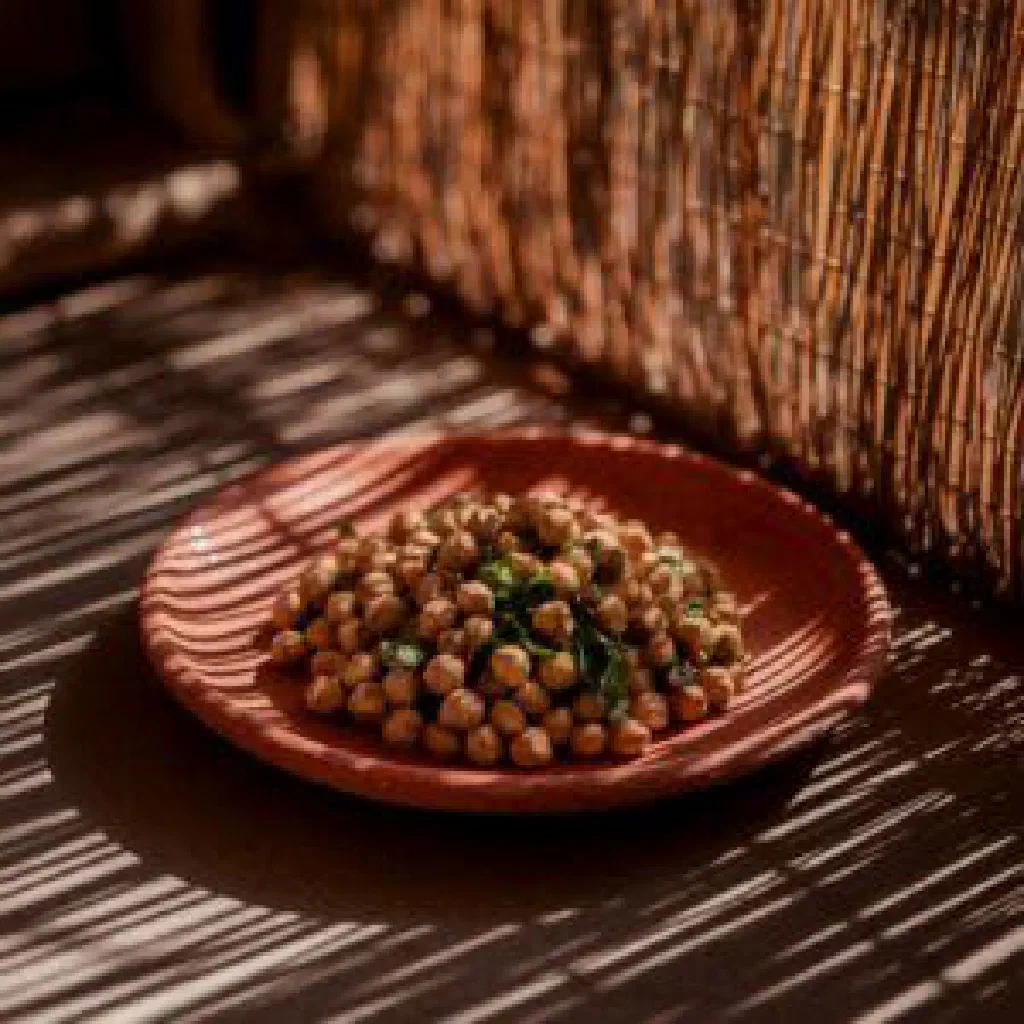
An appealing presentation of Isogo rya Karanga can make all the difference to the dining experience. Serve the dish in an attractive bowl that shows off its colours. A garnish of fresh herbs not only lifts the look but adds extra aroma too. You might also consider serving it alongside a fresh salad or grilled vegetables to make it even more inviting.
A bit of history
Isogo rya Karanga has a long history in Burundian culture. It is a hearty meal and a symbol of the country’s tradition and culinary identity. The dish grew out of the need to create nourishing food from readily available ingredients. Over the generations the recipe has evolved, with each family adding its own secrets and variations to give this traditional plate a personal touch, a hallmark of Burundi cuisine.
More recipe ideas
Summary: Isogo rya Karanga
Isogo rya Karanga is a charming dish that reflects the rich culture of Burundi. With its nourishing ingredients and unmistakable nutty flavour, it is perfect for any occasion. Whether at celebrations or simply as part of everyday life, this meal brings the flavours of Africa straight to your home. Give it a try and discover the joy and variety of Burundian cooking.