National Dish Burundi: Isongo (Recipe)
In this article
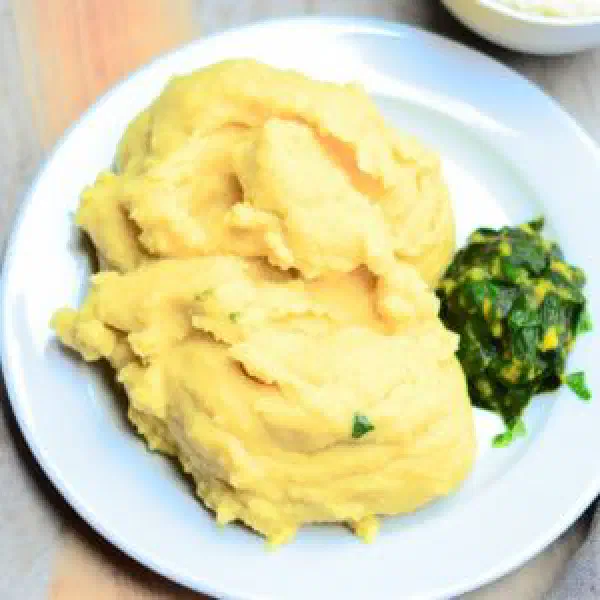
Meet Isongo, a comforting maize porridge that carries the warm, homely flavours of Burundi. Built around little more than cornmeal and sweet ripe bananas, it is nourishing, gently sweet and deeply satisfying. In Burundian homes it holds a special place at celebrations and family gatherings, bringing a taste of East African tradition to the table. Simple to make and easy to adapt, it is the kind of dish that turns everyday ingredients into something quietly special.
About Isongo
Isongo is a traditional dish from Burundi that reflects the culinary heritage of the region. It is a hearty porridge made mainly from cornmeal and bananas, at once nourishing and firmly rooted in the country’s festive food culture. On special occasions Isongo is often served as a main dish, bringing a touch of African home cooking to the table. Its gentle sweetness and creamy texture make it a favourite across generations, much like the maize-based Bugali enjoyed throughout the region.
Ingredients (serves 1–2)
- 200 g cornmeal
- 2 ripe bananas
- 500 ml water
- A pinch of salt
- Optional: honey or sugar to sweeten
Shopping for the ingredients
To make Isongo, you will need fresh ingredients, most of which are readily available in supermarkets or at weekly markets. When buying bananas, choose ones that are ripe and sweet, as they round out the flavour of the dish. Cornmeal can often be found in African or Asian grocery shops if your regular supermarket does not stock it. A pinch of salt and, if you like, a little honey or sugar bring extra depth of flavour to your dish.
Preparing the dish
Before you start cooking Isongo, it is important to have all your ingredients ready. Measure out the cornmeal and peel the bananas. Cutting the bananas into small pieces helps them cook more evenly. It is a good idea to bring the water up to heat in a pan while you finish the other preparations, so the cooking goes more quickly and smoothly.
Step-by-step instructions
- Bring 500 ml of water to the boil in a pan.
- Lower the heat and add a pinch of salt.
- Add the cornmeal to the boiling water while stirring constantly.
- Stir in the chopped bananas once the porridge reaches a creamy consistency.
- Simmer the dish for about 10–15 minutes, stirring occasionally.
- Optional: sweeten to taste with honey or sugar.
Gluten-free / lactose-free version
Isongo is naturally gluten-free, as it is made mainly from cornmeal. Using fresh bananas also keeps the dish lactose-free, making it an excellent choice for anyone with intolerances. Simply take care not to add any other gluten-containing ingredients, so the recipe stays pure and remains accessible to everyone at the table.
Tips for vegans and vegetarians
The ingredients for Isongo are perfectly suited to vegans and vegetarians. Simply avoid adding any animal products and stick to the recommended ingredients. A dish like this offers flavour and a wealth of nutrients that support a balanced plant-based diet. Feel free to vary the recipe as you please to discover new flavours.
More tips and tricks
To make Isongo even tastier, you can add spices such as cinnamon or nutmeg. These warm notes bring an extra layer of depth to the flavour. It is also best to serve the dish warm, as the heat intensifies the aromas. Experiment with the consistency by adding a little more or less water, depending on your preference.
Adapting the recipe to your taste
Everyone has different tastes, and that holds true for Isongo as well. Do you prefer a sweeter porridge? Then increase the amount of honey or sugar. For a more savoury version, you could stir in some vegetables or extra spices. Flexible recipes like this one make it easy to put your own creative spin on the dish and please a wide range of palates, in the same spirit as a warming Uji porridge.
Ingredient substitutions
If you do not have cornmeal to hand, you can use other kinds of flour instead. Rice flour or millet flour are acceptable alternatives with similar properties. Depending on your dietary approach, rolled oats can also make an interesting option that gives the dish a fresh, wholesome twist. Ripe plantains, as used in Matoke, can also stand in for the bananas.
Drink pairing ideas
To round out a meal built around Isongo, a variety of drinks work well. A fresh fruit juice or a traditional unsweetened tea pairs beautifully with the dish. A glass of cold water with a squeeze of lemon is another refreshing choice that does not overpower the flavours. Try different combinations to find out which one you like best.
Serving and presentation ideas
The look of Isongo can be lifted with colourful plates or bowls. An attractive garnish of fresh fruit or a hint of mint can dress the dish up nicely. Serving individual portions in small bowls also helps to create a festive atmosphere.
A bit of history
Isongo has a long history in Burundian culture and has been handed down over the generations. The dish is a symbol of community and togetherness, as it is often served at festivals and celebrations. In many Burundian households it is customary for family and friends to gather to enjoy the dish and share stories. In this way, a delicious meal is not only prepared but an important part of Burundian identity is celebrated, a thread running through much of Burundian cuisine.
More recipe ideas
Summary: Isongo
Isongo is a delicious and nourishing dish that captures the flavours of Burundi at their best. With simple ingredients such as cornmeal and bananas, you can prepare a traditional meal that is both tasty and culturally meaningful. It is easy to adapt in the making, so every taste can be catered for. Enjoy the variety of Isongo and bring a piece of African culture to your table.